
US-Iran Tanker Strikes Push Brent Near $100, Diesel Hits Record High
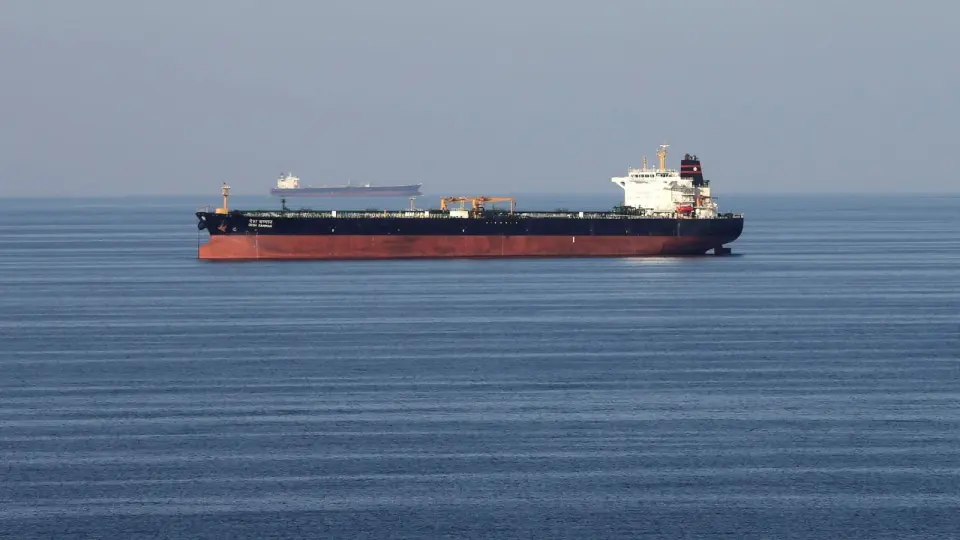
Oil prices surged to near six-week highs as US forces destroyed five Iranian tankers in retaliation for attacks on a US warship. Brent crude reached $99.44, with analysts warning that intensified shipping disruptions could push prices above $120. US diesel prices hit an all-time high, increasing consumer costs and political pressure ahead of midterms.
Key points
- US military destroyed five Iranian crude tankers on Tuesday after attempted attacks on an American warship, with no US personnel harmed.
- WTI crude rose 1.75% to $94.66, while Brent crude added 1.55% to $99.44, approaching a six-week high.
- Goldman Sachs stated that intensifying attacks raise the probability of Brent exceeding $120 per barrel, though their base case expects gradual recovery via alternative routes.
- US diesel prices reached an all-time high of $5.90 per gallon, up from $2.98 in February, adding $418.82 to average household fuel costs since the conflict began.
- Shipping traffic in the Strait of Hormuz dropped to an average of 10 commodity ships daily, with Saudi Aramco’s Jizan facilities struck for the second time in a month.
Background
The current escalation follows a month-long pause in direct military action, during which the US focused on economic sanctions. Previous archive coverage from August and September 2026 noted volatility in the $85-$95 range, with analysts predicting Brent could reach $100 later in the year if Hormuz disruptions persisted. The recent strikes mark a return to kinetic conflict after a period of diplomatic and economic pressure.
How outlets are covering it
CNBC emphasizes the immediate military escalation and Goldman Sachs’ warning that Brent could exceed $120 if exports stagnate. Al Jazeera highlights the broader economic impact, noting that US diesel prices have hit record highs and that China is mitigating risks through its strategic petroleum reserve and alternative energy. While CNBC focuses on the tanker destruction as the primary driver, Al Jazeera points to the sustained supply deficits and reduced shipping traffic as the underlying structural issues keeping prices elevated.
Why it matters
The resurgence of direct military strikes threatens to disrupt global energy supplies, potentially driving oil prices higher and increasing inflationary pressures. Record diesel costs are already impacting consumer budgets and logistics, while the political fallout in the US could influence midterm election outcomes. The situation underscores the vulnerability of global energy markets to regional conflicts in the Strait of Hormuz.
What to watch
Analysts will monitor whether Persian Gulf exports recover through alternative shipping routes or if disruptions continue to widen. Markets will watch for further strikes on Saudi facilities or Iranian tankers, which could accelerate the move toward $120 per barrel. Political pressure on the US administration may increase as fuel costs rise ahead of the midterm elections.
- Brent crude nears $100 a barrel as U.S.-Iran tit-for-tat strikes stoke supply worries CNBC
- Stock market today: Dow, S&P 500, Nasdaq fall as oil prices rise, US-Canada trade war escalates Yahoo Finance
- Oil heads for $100, Asia stocks subdued as Middle East tensions escalate Reuters
- Yen stands tall as dollar wobbles, oil's run towards $100 chills sentiment CNBC
- Oil prices surge as US-Iran strikes intensify in Strait of Hormuz Al Jazeera
Want the full story? Read the original reporting
Read on CNBC