
Brent Crude Surges Past $108 as Houthi Strikes Force Saudi Pipeline Shutdown
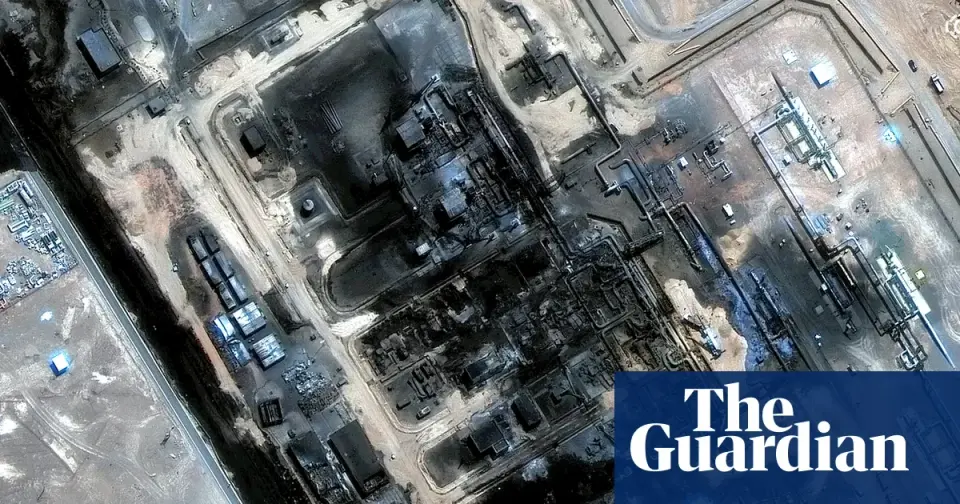
Brent crude oil prices exceeded $108 per barrel on Monday after Yemen’s Houthi forces launched drone attacks that forced Saudi Arabia to shut its critical east-west pipeline. The spike was compounded by the postponement of talks between Iran and Gulf states regarding shipping lanes in the Strait of Hormuz. Global bond yields rose sharply as investors feared renewed inflation, while diesel prices hit all-time highs in the US and UK. Saudi Arabia warned it faces a shortage of export stocks if the pipeline remains closed for several more days.
Key points
- Brent crude rose 3.7% to over $108.50, while WTI crude approached $103 per barrel.
- Saudi Arabia shut its east-west pipeline as a precautionary measure following drone attacks, with no immediate timeline for reopening.
- Houthi forces captured the strategic island of Perim in the Bab al-Mandab strait, expanding their control of the waterway.
- A scheduled meeting between Iran and Gulf nations in Oman to discuss a temporary shipping lane in the Strait of Hormuz was postponed.
- US 10-year government debt yields rose nearly 1% to almost 5%, while UK 30-year yields hit their highest level since 1998.
- US diesel prices reached a record $6.23 per gallon, and UK gas prices hit their highest level since December 2022.
Background
This escalation follows a series of Houthi attacks on Saudi energy infrastructure since July, including strikes on Abqaiq and other facilities. Oil prices had previously peaked at $126 in April during the US-Israeli war with Iran before falling over the summer. The current surge marks the first time Brent crude has exceeded $100 since July, driven by the collapse of a memorandum of understanding between the US and Iran and renewed hostilities.
How outlets are covering it
The Guardian emphasizes the immediate impact on global bond markets and the risk of a return to spring price highs. NBC News highlights the broader economic ripple effects, noting that diesel price hikes could increase costs for everything from food to shipping, and cites KPMG economist Diane Swonk on the inflationary potential. ABC News focuses on the diplomatic dimension, noting the postponement of the Oman meeting and President Trump’s blame of Ukrainian strikes on Russian refineries for global diesel shortages, rather than the Middle East conflict. While all outlets agree on the price spike, they differ in attributing the root cause of diesel shortages, with NBC and ABC citing Ukrainian actions and ING analysts, whereas The Guardian focuses on the Houthi and Hormuz disruptions.
Why it matters
The closure of the Saudi pipeline and the stalled Hormuz talks threaten to disrupt a fifth of the world’s oil and gas supply. Rising energy costs are already driving inflation, forcing central banks like the Federal Reserve and Bank of England to consider higher interest rates, which could slow global economic growth. The situation also highlights the vulnerability of global energy supply chains to regional conflicts in the Middle East and the Red Sea.
What to watch
Traders are awaiting interest rate decisions from the US Federal Reserve on Wednesday and the Bank of England on Thursday. The outcome of the postponed Oman meeting regarding the Strait of Hormuz will be critical for determining whether oil prices stabilize or continue to rise. Saudi Arabia must reopen its east-west pipeline within days to prevent a shortage of export stocks. Analysts warn that if prices breach the March highs, market volatility could increase significantly.
- Oil prices soar above $108 as Houthis strike Saudi infrastructure The Guardian
- Oil Prices Jump on Energy Supply Worries The New York Times
- Iran live updates: Oil prices rise after strikes in Saudi Arabia, Strait of Hormuz ABC News - Breaking News, Latest News and Videos
- Diesel prices push to new all-time high as oil prices jump after key Saudi pipeline shut NBC News
- Oil Prices Rise as Saudi East-West Pipeline Attack Threatens Export Routes wsj.com
Want the full story? Read the original reporting
Read on The Guardian