
Shipping Crisis Adds $30 to Oil Costs, Defying Falling Futures
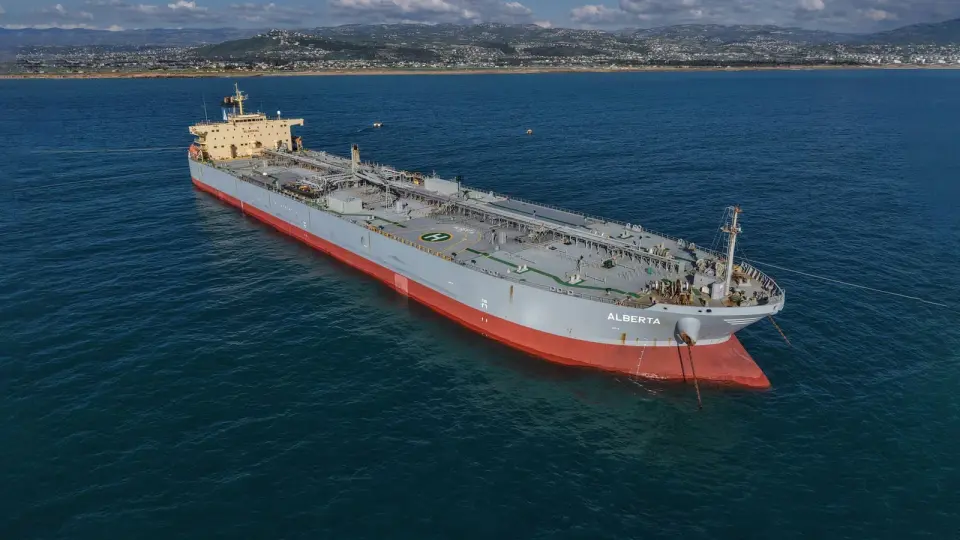
While Brent crude futures trade near $105, the physical cost of oil is significantly higher due to a severe shipping crisis. Tanker rates have quadrupled, adding $30-$40 per barrel to the final price. Despite attacks in the Strait of Hormuz, oil flows remain high, but the premium for transport and security is keeping energy costs elevated.
Key points
- VLCC charter rates have surged from $50,000 to over $200,000 per day, adding $30-$40 to the cost of each barrel.
- Oil flows through the Strait of Hormuz reached 12 million barrels per day in October, despite 26 vessel attacks.
- The Houthi attack on Riyadh airport killed at least 12 people, disrupting the World Petroleum Congress.
- Diesel prices remain near record highs at $6.29 per gallon, exacerbating the transportation cost crisis.
- Analysts warn that energy costs may remain high even if crude futures prices cool, due to persistent shipping premiums.
Background
Since the start of the Iran war in February 2026, global energy markets have faced repeated disruptions. Previous reports indicated that while Gulf oil exports recovered to near pre-war levels, they relied on costly workarounds like ship-to-ship transfers. In September, heating oil prices spiked 31%, and analysts warned of an 'inflection point' toward higher prices due to inventory drawdowns and shipping risks. The current situation reflects a shift from a simple supply shortage to a broader logistics and security crisis.
How outlets are covering it
CNBC and Business Insider emphasize the 'real' price of oil, arguing that futures markets understate the true cost due to skyrocketing tanker rates. RBC Capital Markets' Helima Croft describes the situation as a 'transportation crisis,' noting that the shortage is now in ships rather than crude. The New York Post highlights the resilience of oil flows, noting that 12 million barrels passed through the Strait of Hormuz daily despite intense attacks, suggesting that profits are outweighing risks for sailors. The New York Times frames the situation as a test of the global energy order, highlighting the deadly attack on Riyadh airport as a sign of the war's expanding reach into the heart of the oil industry. All sources agree that energy costs will remain elevated, but they differ on whether the primary driver is the physical scarcity of oil or the cost of moving it.
Why it matters
The disconnect between oil futures and physical prices means that consumers and businesses are paying significantly more for energy than market benchmarks suggest. This 'transportation crisis' could keep inflation high even if crude prices fall, impacting everything from shipping to heating bills. The security risks in the Strait of Hormuz and the Red Sea are now central to global energy stability, with any further escalation potentially causing a sharp spike in prices.
What to watch
Watch for further attacks on tankers and oil facilities in the Middle East, which could disrupt the fragile flow of oil through the Strait of Hormuz. Monitor diesel prices and tanker rates, as these are key indicators of the transportation crisis. Also, keep an eye on European gas storage levels, as mild temperatures have so far masked underlying supply vulnerabilities. If the current escalation continues, Brent crude could rise to $135-$150 per barrel, according to some analysts.
- Brian Sullivan: Why the 'real' price of oil is likely $30-$40 higher than where it is now CNBC
- COMMENTARY: Oil's long view darkens as Iran war refuses to end Reuters
- The oil market is facing a transportation crisis that suggests energy costs aren't falling soon Business Insider
- Oil flow through Strait of Hormuz hits 12M barrels a day — defying increasing attacks from Iran New York Post
- World’s Energy Order Tested Again as Iran War’s Reach Extends Further The New York Times
Want the full story? Read the original reporting
Read on CNBC