
New Jersey signs law allowing plug-in solar panels up to 1,200 watts
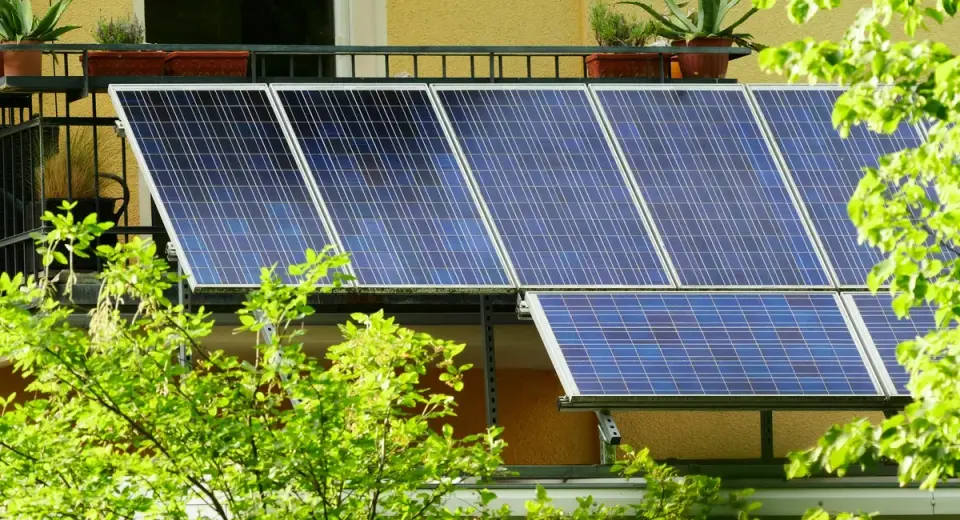
Governor Mikie Sherrill signed the Garden State Balcony Solar Act, legalizing portable plug-in solar panels up to 1,200 watts in New Jersey. The law removes utility approval requirements, protects renters from landlord bans, and aims to lower energy costs while expanding clean energy access.
Key points
- The Garden State Balcony Solar Act (S-2368/A-4836) was signed by Governor Mikie Sherrill on September 1, 2026.
- The law exempts portable solar devices up to 1,200 watts from utility interconnection, metering, and permit requirements.
- Devices must comply with the National Electrical Code and UL 3700 standards, except for units under 400 watts.
- Landlords and homeowner associations cannot broadly ban these devices, though they may impose reasonable restrictions on size and placement.
- The law takes effect on March 1, 2027, allowing the state Board of Public Utilities time to implement regulations.
- New Jersey becomes the ninth US state to pass plug-in solar legislation, following similar laws in other states.
Background
New Jersey has long been a leader in solar adoption, with over 200,000 installations totaling 5 gigawatts. Recent federal actions, including a 15% tariff on imported polysilicon, have aimed to bolster domestic solar supply chains. Additionally, innovations like vertical ballast-free panels in snowy climates have expanded the viability of rooftop solar in diverse environments. This new law builds on Governor Sherrill’s broader energy agenda, which includes expanding community solar and accelerating new energy generation to reduce costs for ratepayers.
How outlets are covering it
Gothamist and the New Jersey Globe emphasize the law’s potential to lower energy bills and expand access for renters and apartment dwellers, highlighting the contrast between the low cost of plug-in panels and the high expense of rooftop systems. pv magazine USA focuses on technical details, noting the UL 3700 certification requirement and the March 1, 2027, effective date, while also pointing out that New Jersey’s law includes stronger protections for renters and HOA members compared to similar bills in California and New York. Insider NJ frames the law as part of a broader strategy to save ratepayers $1 billion annually through various energy initiatives, including community solar and grid technology advancements. All sources agree on the law’s significance but differ in emphasis: some focus on consumer savings, others on technical compliance, and still others on broader energy policy goals.
Why it matters
The Garden State Balcony Solar Act represents a significant shift in how residential solar energy is accessed in New Jersey. By removing barriers for renters and apartment dwellers, the law democratizes clean energy adoption, potentially reducing reliance on traditional grid power and lowering electricity costs for a broader segment of the population. It also sets a precedent for other states, as New York and California await gubernatorial action on similar legislation. The law’s focus on affordability and accessibility aligns with growing national interest in decentralized, consumer-led energy solutions.
What to watch
The law will take effect on March 1, 2027, giving the New Jersey Board of Public Utilities time to implement necessary regulations. Advocates and industry representatives expect increased adoption of plug-in solar panels, particularly among renters and those unable to install rooftop systems. The state may also see further developments in community solar and advanced grid technologies as part of Governor Sherrill’s broader energy agenda. Additionally, the success of New Jersey’s law could influence pending legislation in New York and California, potentially leading to a wave of similar laws across the country.
- 'A whole new world': New Jersey eases restrictions on residential solar panels Gothamist
- Sherrill Signs Balcony Solar Law to Expand Access to Clean Energy New Jersey Globe
- New Jersey legalizes plug-in solar up to 1,200 W pv magazine USA
- Governor Sherrill Signs Legislation Giving New Jerseyans Cleaner, More Affordable Energy at Their Fingertips Insider NJ
- Governor Sherrill Signs Law Expanding Access to Plug-In Solar Across New Jersey Lakewood Alerts
Want the full story? Read the original reporting
Read on Gothamist