
Ten US States Legalize Plug-In Solar as Safety Standards and Utility Pushback Shape Adoption
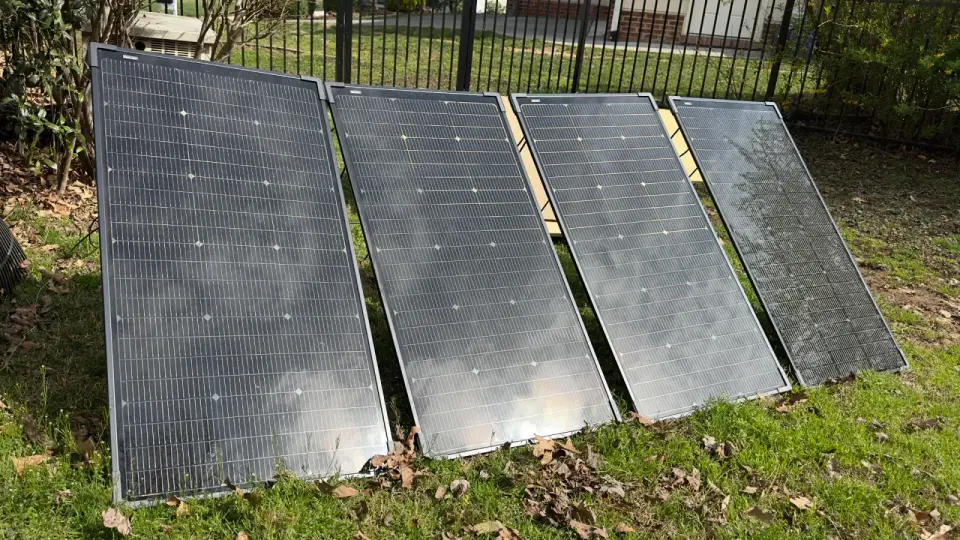
Ten US states have legalized plug-in solar systems, allowing consumers to install small, portable panels that connect directly to wall outlets. These systems, often called 'balcony solar,' offer a low-cost alternative to rooftop solar, particularly for renters. While adoption is growing, legal and safety hurdles remain, including utility opposition and the need for new safety standards like UL 3700.
Key points
- Ten states, including Utah, California, and New Hampshire, have passed legislation legalizing plug-in solar systems, with effective dates ranging from 2025 to 2027.
- Plug-in solar systems are small, portable panels that connect to standard 120-volt outlets, bypassing traditional electrical panels and utility approval processes.
- These systems can offset 10-30% of a home's energy use, with costs ranging from $300 to $2,000, significantly lower than rooftop solar installations.
- Safety concerns include the risk of back-feeding power into the grid during outages, which could endanger utility workers, though most systems have anti-islanding protection.
- Utility companies oppose plug-in solar, arguing it undermines their revenue and grid safety, while proponents emphasize consumer choice and energy affordability.
Background
Plug-in solar, or 'balcony solar,' gained traction in Europe, particularly Germany, after 2022 energy price spikes. In the US, Utah was the first state to legalize the technology in 2025, followed by nine other states. The technology appeals to renters and homeowners seeking to reduce energy costs without the high upfront costs of rooftop solar. However, US electrical codes and utility regulations have historically opposed plug-in solar, citing safety and grid stability concerns.
How outlets are covering it
ZDNET highlights the legislative progress, noting that ten states have legalized plug-in solar, while 24 others are working on legislation. R Street Institute emphasizes the affordability and accessibility of plug-in solar, particularly for renters, and frames it as a response to rising energy costs. NH Business Review focuses on safety concerns, noting that US electrical systems are not designed for plug-in solar, and highlights the development of UL 3700 as a safety standard. The Philadelphia Citizen underscores the political and utility opposition, noting that utility companies fear revenue loss and grid safety issues, while proponents argue for consumer choice and energy independence.
Why it matters
Plug-in solar offers a low-cost, accessible way for consumers to reduce energy bills and increase energy independence. As energy costs rise and utility opposition persists, plug-in solar could become a significant player in the US renewable energy landscape, particularly for renters and those unable to install rooftop solar. The development of safety standards like UL 3700 and legislative progress in multiple states suggest that plug-in solar could become more widely adopted in the coming years.
What to watch
The next steps include the implementation of UL 3700 safety standards, which will determine when plug-in solar systems can be legally installed in states like New Hampshire. Additionally, 24 other states are working on legislation to legalize plug-in solar, with some bills stalled until 2027. Utility companies may continue to oppose plug-in solar, but consumer demand and legislative progress could drive further adoption.
- Plug-in solar is legal in these 10 states now – how it could save you money ZDNET
- Low-Energy Friday: Permissionless Solar R Street Institute
- Commentary: Virginia made plug-in solar bipartisan. New York can too. Times Union
- (Opinion) Plug-in solar is coming to New Hampshire NH Business Review
- Ideas We Should Steal: Plug-In Solar The Philadelphia Citizen
Want the full story? Read the original reporting
Read on ZDNET