Tag

Plug In Solar

All articles tagged with #plug in solar

NJ loosens balcony solar rules to boost DIY plug-in panels
technology1 month ago

NJ loosens balcony solar rules to boost DIY plug-in panels

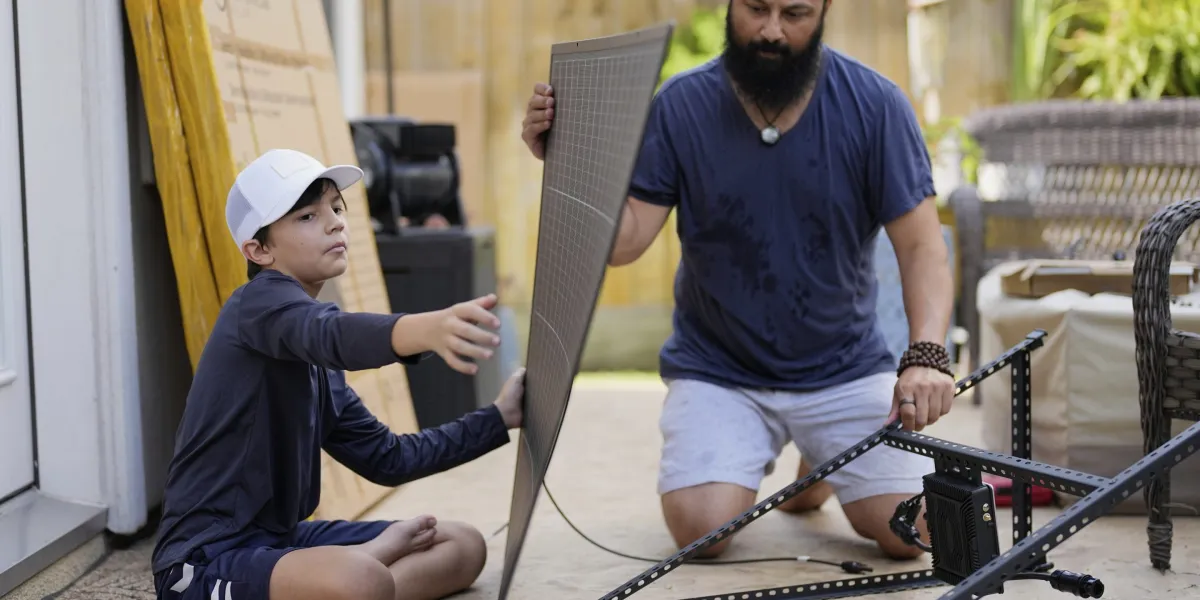
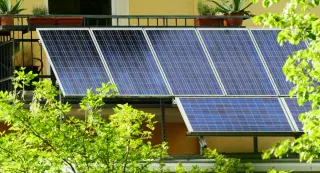
New Jersey Gov. Mikie Sherrill signed the Garden State Balcony Solar Act, easing approval for small plug-in balcony solar panels and letting renters install them with landlords’ reasonable restrictions. These kits can offset 10–25% of a home’s power, cost roughly $400–$2,000, plug into a standard 120V outlet, and are designed for outdoor spaces. New Jersey becomes the ninth state to loosen such rules, with about 200,000 existing installations statewide and ~5 gigawatts of capacity; supporters say the move lowers bills and reduces emissions.
New Jersey greenlights balcony plug-in solar for renters
energy1 month ago

New Jersey greenlights balcony plug-in solar for renters

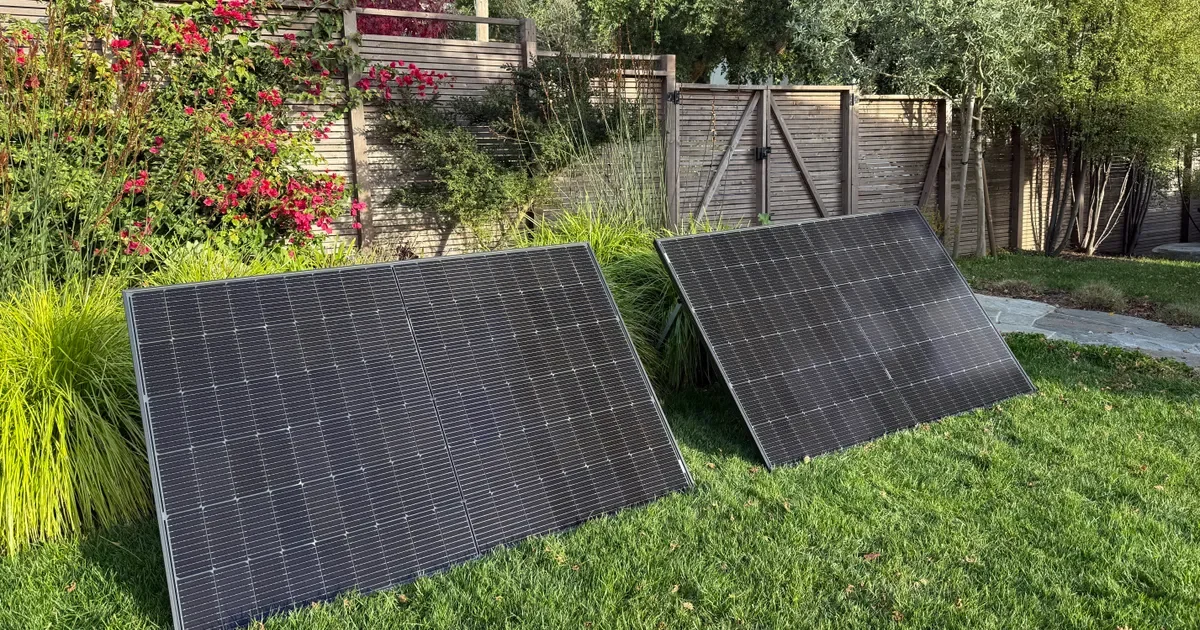
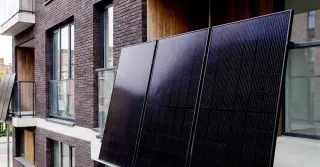
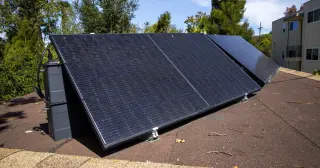
New Jersey has enacted the Garden State Balcony Solar Act, legalizing portable plug-in solar systems up to 1,200 watts that connect to a standard 120‑volt outlet on balconies, patios, or yards. The setup lets renters generate electricity without roof work, permits, or utility approval; however, there is no net metering credit. Systems under 400 watts avoid major code changes, while larger setups up to 1,200 watts follow a streamlined installation process, all meeting safety standards (UL 3700 or equivalent) and shutting off during outages. Utilities can’t impose extra charges or require additional controls, and landlords or HOAs can’t blanket-ban qualifying systems; tenants must give 14 days’ notice and prove compliance. The law takes effect March 1, 2027.

California approves plug-in balcony solar to widen solar access
energy1 month ago

California approves plug-in balcony solar to widen solar access

California lawmakers passed SB 868 to legalize plug-in balcony solar that plugs into a standard outlet, expanding access for renters and homeowners without suitable roofs or big upfront costs. The bill would cap system output at 1,200 watts, require safety certifications, and replace a traditional interconnection process with a free online registration, with kits priced roughly from $300 to $2,200 and potential availability in spring 2027. While supporters say the policy cuts energy bills and speeds clean energy adoption, some utilities warn of safety concerns and cost shifting, and the bill faces political and regulatory hurdles before becoming law.

Colorado clears the way for balcony solar, but kits are still scarce
energy5 months ago

Colorado clears the way for balcony solar, but kits are still scarce

Colorado Gov. Polis signed HB26-1007 to legalize plug-in balcony solar, making Colorado among the first states to clear these systems; however, UL-certified kits exceeding 391 watts are not widely available yet as manufacturers work to meet safety standards ahead of a 2027 start. The low-cost option could help renters cut electricity bills and integrate solar, while utilities cannot block installation after landlord notification; Boulder data suggests an 800-watt setup could save about $206/year.

Balcony solar in the US: DIY kits promise bill relief, but regulation lags
opinion-and-analysis6 months ago

Balcony solar in the US: DIY kits promise bill relief, but regulation lags

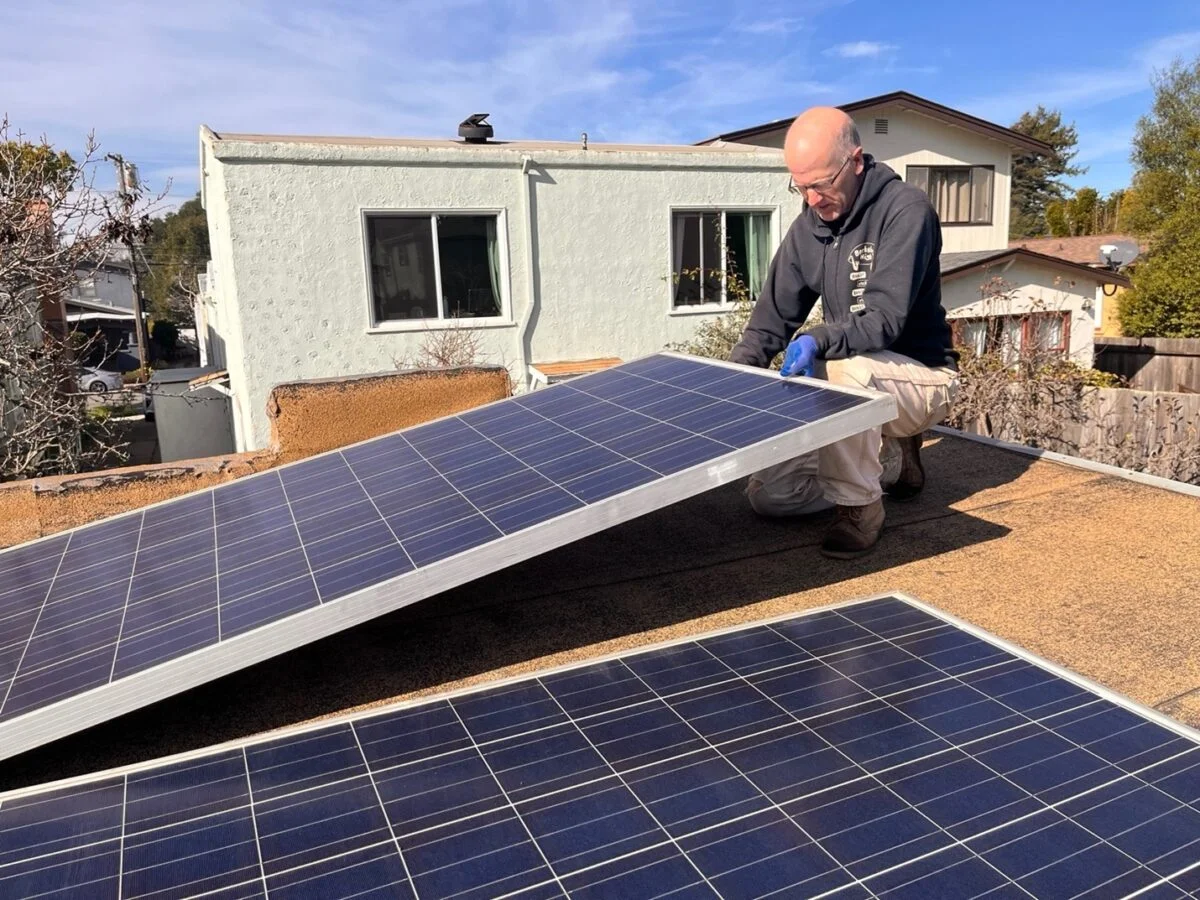
An opinion piece arguing that plug-in solar (balcony/diy/plug‑and‑play) can deliver immediate utility bill relief for renters by allowing 400–1,200 W kits that plug into standard outlets. The article cites Europe as a model with Ikea/Svea Solar pricing around 0.65 €/W, while US kits run about $1.58–$1.60/W, yet a field test built in the SF Bay Area achieved a 1.2 kW system for roughly $635 (66¢/W) with ~5.5 kWh/day production and ≈$50/month savings, implying payback just over a year. However, permitting, interconnection, and safety rules (UL 3700) plus changing net‑metering policies create regulatory and logistical hurdles, so wide adoption will depend on policy evolution, safer pre‑fab kits, and smarter distribution and education efforts.

DIY balcony solar gains traction in New England
energy6 months ago

DIY balcony solar gains traction in New England

Six New England states are considering bills to legalize plug-in balcony solar kits that connect to a standard outlet (up to 1,200 watts), enabling renters and homeowners to cut energy bills without rooftop installs. The proposals vary by state but generally require safety certification and would remove interconnection requirements, with Maine nearing final passage and NH, VT, MA, CT, and RI at different stages. Kit prices are around $3 per watt and could fall as adoption grows, and supporters say the policy has bipartisan appeal and little fiscal impact. The push underscores high regional energy costs and a national trend toward DIY solar.

New England Eyes Plug-In Solar to Bring Solar Power to Renters
energy7 months ago

New England Eyes Plug-In Solar to Bring Solar Power to Renters

Lawmakers in Maine, Vermont, New Hampshire, Massachusetts, and Rhode Island are weighing bills to allow small plug-in solar panels that connect to home outlets, removing the need for rooftop installations and potentially lowering electricity bills for renters and others without easy access to rooftop solar. The approach mirrors European adoption and Utah’s 2025 lead, but would require updated electrical codes and national safety certifications before widespread sale; costs can reach up to about $2,000, and critics say it won’t be a universal solution, though supporters argue prices could fall with broader adoption and that the technology offers a practical entry point to clean energy for renters and apartments.

Affordable $2,000 Solar Panel for Decks Offers a Quick Green Upgrade
technology1 year ago

Affordable $2,000 Solar Panel for Decks Offers a Quick Green Upgrade

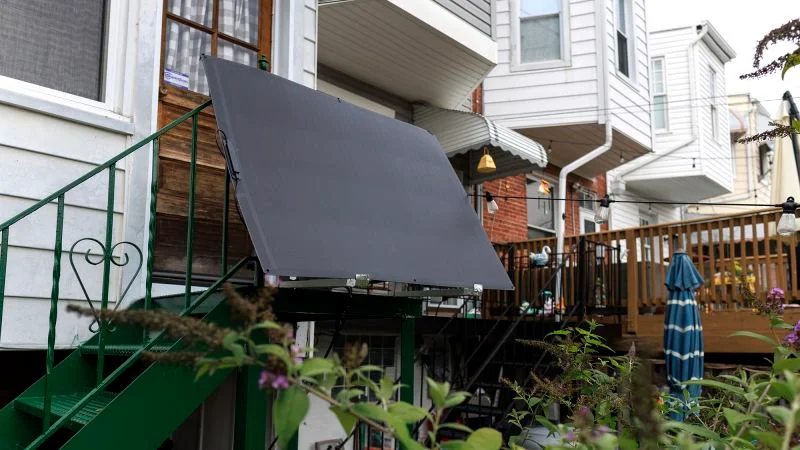
Small, affordable plug-in solar systems that can be installed on decks or balconies are gaining popularity in the U.S., especially as policy changes reduce incentives for traditional rooftop solar. These systems are easier to install, require less investment, and are supported by new legislation in states like Utah, making solar energy more accessible and appealing for environmentally conscious homeowners. However, their cost-effectiveness varies depending on utility policies and local energy prices.