
The Complex Relationship Between Oil Prices and Geopolitical Conflicts
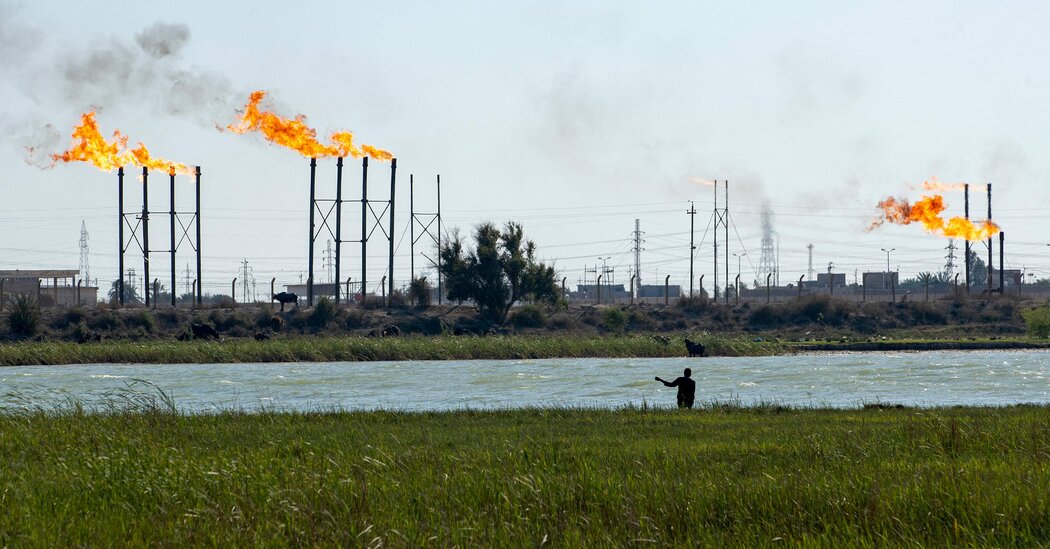
Despite ongoing conflict between Israel and Hamas in the Middle East, oil prices have been falling due to limited disruption to petroleum supplies. Traders are not showing precautionary buying as they believe there is no immediate threat to oil production. Instead, the market is focused on pessimism about future demand for petroleum, driven by economic concerns and reduced commuting due to hybrid work schedules and electric cars. The risk of a broader war impacting oil supply is low unless it spreads to major oil-producing countries like Saudi Arabia, Iraq, or Iran. However, there is still a possibility of disruption, such as a missile attack on key facilities or an attempt to block the Strait of Hormuz. The Biden administration and regional oil powers are actively working to prevent a widening of the conflict and maintain stable oil production and shipping.
- Why Are Oil Prices Falling While War Rages in the Middle East? The New York Times
- Tanker Rates Erupt in Tandem With Geopolitical Tensions Hellenic Shipping News Worldwide
- What oil is telling us about war and recession The Australian Financial Review
- Iran's Proposed Embargo Could Cause Chaos In Oil Markets OilPrice.com
- View Full Coverage on Google News
Reading Insights
0
12
3 min
vs 4 min read
82%
785 → 140 words
Want the full story? Read the original article
Read on The New York Times