
California Legalizes Plug-In Solar for Renters and Condos
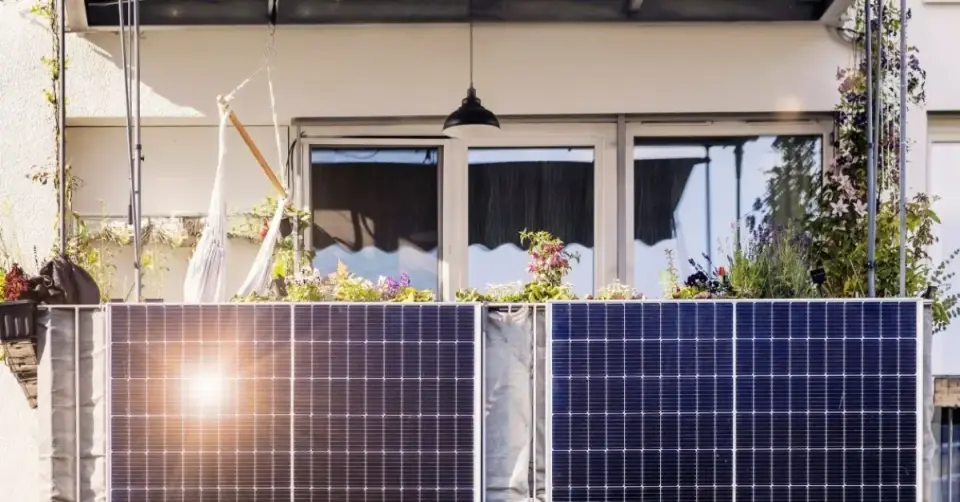
Governor Gavin Newsom signed three energy bills on September 30, legalizing small plug-in solar systems for Californians who cannot install rooftop panels. The legislation allows devices up to 1,200 watts to connect directly to household outlets without utility approval, while new rules aim to integrate home batteries and electric vehicles into the grid to reduce costs and improve reliability.
Key points
- SB 868, the Plug and Play Solar Act, allows portable solar devices up to 1,200 watts AC to plug into standard 120V outlets, targeting renters and those with unsuitable roofs.
- Utilities are barred from requiring interconnection agreements or fees for these devices, replacing the process with a simple online notification of the device's make, model, and size.
- SB 913, the Clean Local Power Act, directs regulators to allow coordinated home batteries and electric vehicles to count toward utility reliability requirements, effectively creating virtual power plants.
- SB 905 requires large investor-owned utilities to publish data on grid usage and assess if shifting electricity use or using batteries is cheaper than building new infrastructure.
- The exemptions for plug-in solar devices expire on January 1, 2030, a provision added by the Assembly Appropriations committee that advocates fear could lead to repeal.
Background
California lawmakers passed SB 868 in August, aiming to expand solar access for those unable to afford or install traditional rooftop systems. This follows a national trend, with New Jersey and Utah already enacting similar laws in 2026. The state has long been a leader in solar policy, but this move specifically addresses the needs of the 39 million residents who cannot access traditional solar due to rental status or roof limitations.
How outlets are covering it
Electrek highlights the immediate relief for renters and the removal of bureaucratic hurdles, noting that utilities can no longer demand advance approval. pv magazine USA emphasizes California's status as the nation's largest balcony solar market, noting that while California was not the first state to pass such laws, its population size makes it a significant market for manufacturers like EcoFlow. Both sources agree on the technical specifications, but pv magazine USA points out the 2030 sunset clause as a potential risk, whereas Electrek focuses on the broader grid optimization goals of the accompanying bills. Advocates like the Environmental Working Group and CALSSA praised the laws for lowering energy bills and utilizing existing infrastructure, while Bright Saver noted the speed of the legislative process compared to previous predictions.
Why it matters
These laws democratize solar access by removing barriers for renters and condo owners, potentially reducing electricity bills and increasing renewable energy adoption. The focus on virtual power plants and grid data transparency aims to lower costs for all consumers by maximizing the use of existing home energy devices and infrastructure, rather than relying solely on new power plants.
What to watch
The plug-in solar law takes effect on January 1, 2027. Regulators have until June 30, 2028, to implement changes for virtual power plants. The exemptions for plug-in solar devices expire on January 1, 2030, at which point utilities may regain the ability to require interconnection agreements and fees unless the law is extended.
- California gives the green light to balcony solar Electrek
- California Officially Legalizes Balcony Solar, Opening the Market to the New Technology KQED
- California just made it legal to turn balconies into tiny power plants grist.org
- Newsom finally says yes to virtual power plants Canary Media
- Newsom signs California plug-in solar bill, establishing the nation's largest balcony solar market pv magazine USA
Want the full story? Read the original reporting
Read on Electrek