
RWE to Receive $1.22 Billion from US Government to Abandon Offshore Wind Leases
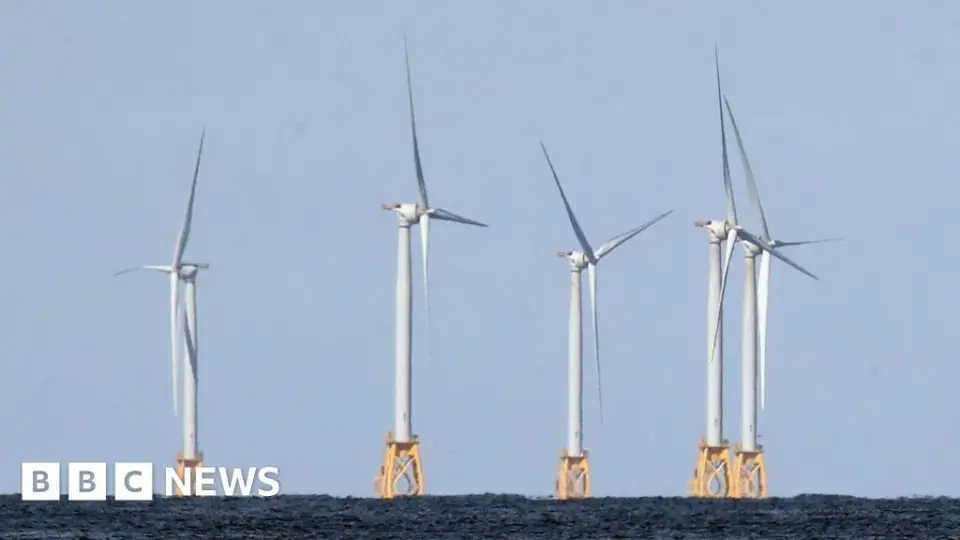
The Trump administration has agreed to pay German energy giant RWE $1.22 billion to surrender its offshore wind leases in New York, California, and Louisiana. This is the fifth and largest such buyout this year, totaling nearly $4 billion in taxpayer funds to halt renewable projects. RWE will redirect these funds into fossil fuel investments, including a 16% stake in a Louisiana LNG terminal and natural gas turbine development. The deal follows a broader strategy to replace wind energy with fossil fuels, drawing criticism from environmental groups and state officials who argue it undermines clean energy goals and jobs.
Key points
- RWE will receive $1.22 billion to abandon wind leases off New York, California, and Louisiana.
- The deal is the fifth and largest buyout, bringing total taxpayer spending on wind cancellations to nearly $4 billion.
- RWE will invest $900 million in a 16% stake in a Louisiana LNG terminal and $300 million in natural gas turbines.
- Interior Secretary Doug Burgum praised the deal as strengthening energy security and reducing reliance on subsidies.
- Critics, including California officials and environmental groups, argue the deal undermines clean energy goals and jobs.
Background
This deal follows a series of similar agreements this year, including a March 2026 deal with TotalEnergies to cancel its US wind projects in exchange for LNG and oil investments. The Trump administration has consistently opposed offshore wind, with President Trump calling windmills 'big, ugly' and 'losers.' Previous buyouts with companies like TotalEnergies, Ocean Winds, Invenergy, and Duke Energy totaled about $2.7 billion. The administration has also faced legal challenges from seven states over the TotalEnergies deal, which they called a 'sham deal.'
How outlets are covering it
The Trump administration, through Interior Secretary Doug Burgum, framed the deal as a move toward 'energy security' and 'common sense,' arguing that wind projects are costly and unreliable. RWE stated that there was 'no path forward' for its wind projects in the US and that the deal allows it to focus on projects with 'certainty.' In contrast, The New York Times and The Guardian highlighted the financial cost to taxpayers and the redirection of funds to fossil fuels, noting that the deals have totaled nearly $4 billion. The Los Angeles Times emphasized the impact on California's 2045 offshore wind goals, noting that only two West Coast leases remain. Environmental groups and California officials, including Attorney General Rob Bonta and Rep. Jared Huffman, criticized the deals as 'corrupt' and 'illegal,' arguing they undermine clean energy and jobs. The Guardian also noted that the deals have faced legal challenges from seven states, which argued the agreements misused government funds.
Why it matters
The deal signals a significant shift in US energy policy, prioritizing fossil fuels over renewable energy. It raises questions about the use of taxpayer funds to cancel clean energy projects and the long-term impact on energy security and climate goals. The redirection of funds to LNG and natural gas projects may increase dependence on fossil fuels, potentially affecting energy prices and environmental regulations. The legal challenges and public backlash suggest that the administration's strategy may face ongoing resistance from states and environmental advocates.
What to watch
The deal may face legal challenges similar to those brought against the TotalEnergies agreement. California and other states may continue to pursue their clean energy goals despite the federal buyouts. RWE will likely proceed with its fossil fuel investments, including the LNG terminal and natural gas turbines. The administration may continue to pursue similar deals with other energy companies to halt wind projects. Environmental groups and state officials may increase their efforts to challenge the legality of the deals and advocate for renewable energy.
- US to pay $1.2bn to energy firm RWE to halt offshore wind projects BBC
- Trump Administration to Pay German Firm $1.2 Billion to Cancel Wind Leases The New York Times
- Trump administration to pay German firm $1.22bn to cut offshore wind leases The Guardian
- Another offshore wind developer exits California in $1.22-billion deal with Trump administration Los Angeles Times
- RWE, Trump administration reach $1.22 billion agreement to cancel offshore wind leases Reuters
Want the full story? Read the original reporting
Read on BBC