
Africa’s Energy Paradox: Vast Resources Coexist with 560 Million Without Power
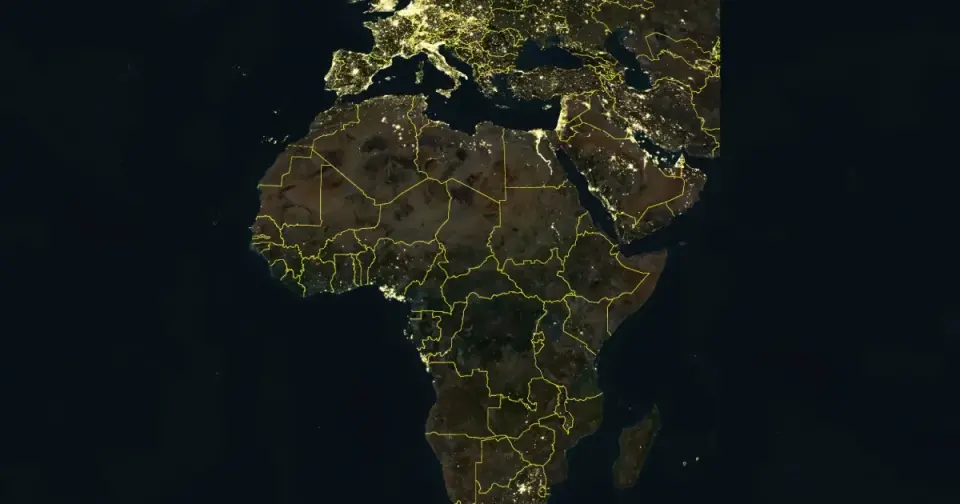
Africa holds 7.2% of global oil reserves and dominates critical mineral production, yet 560 million people lack electricity. While Libya and Nigeria hold most oil, the DRC and South Africa supply key battery materials. Access varies drastically, from universal coverage in six nations to just 5.4% in South Sudan.
Key points
- Africa possesses 125 billion barrels of proven oil, with Libya and Nigeria holding nearly 70% of the total, though Libya ranks only fourth in actual production due to political disruptions.
- The continent supplies 71.2% of global cobalt and 72.4% of manganese, with the DRC producing nearly 70% of cobalt and South Africa and Gabon dominating manganese output.
- Renewable energy generates all electricity in Ethiopia and the DRC, while Algeria, Libya, Niger, and Tunisia rely on less than 5% renewables, primarily using gas or oil.
- Only six African countries have universal electricity access, covering 14% of the population, while South Sudan has just 5.4% access and Nigeria leaves 85 million people without power.
- African Energy Week in Cape Town, running until October 16, focuses on investment in oil, gas, and energy finance to address the continent's energy poverty.
Background
Recent global energy disruptions, such as Cuba’s grid collapse and power outages in the US Southeast, highlight the fragility of energy infrastructure. In contrast, Africa’s challenge is structural: despite immense resource wealth, infrastructure gaps and political instability prevent equitable access. The Grand Ethiopian Renaissance Dam, inaugurated in September 2025, exemplifies large-scale renewable projects that remain isolated from broader continental grid integration.
Why it matters
The disconnect between Africa’s resource wealth and its energy access highlights a critical gap in global energy transition strategies. While the continent supplies essential minerals for electric vehicles, its population faces severe energy poverty, undermining economic development and social stability. Addressing this disparity is crucial for both African nations and global supply chains dependent on African minerals.
What to watch
African Energy Week in Cape Town will conclude on October 16, with outcomes likely influencing future investment in oil, gas, and renewable infrastructure. Continued development of Mozambique’s offshore gas reserves and expansion of renewable grids in Ethiopia and the DRC may shift energy dynamics, but political stability in Libya and Nigeria remains a key variable for oil production.
Want the full story? Read the original reporting
Read on Al Jazeera