
Brent crude hovers near $100 as Hormuz attacks and IEA diesel releases clash
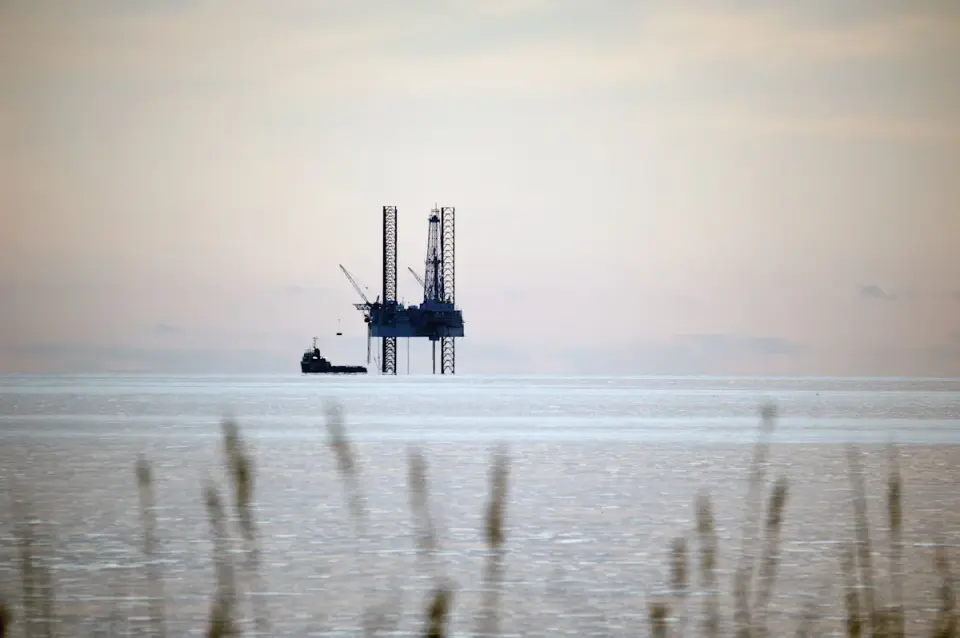
Brent crude futures settled at $100.20 per barrel on Wednesday, while U.S. West Texas Intermediate fell to $88.28, as the International Energy Agency prioritized diesel stock releases to counter surging fuel costs. Although Gulf oil exports have recovered to over 81% of pre-war levels, prices remain elevated due to persistent security threats in the Strait of Hormuz and increased shipping costs. The IEA has deployed 325 million barrels under a March emergency plan, leaving approximately 100 million barrels available, with 1.1 billion barrels of emergency stocks still held by member states. Saudi Arabia’s East-West pipeline has restored flows to 5.8 million barrels daily, but Houthi strikes on Saudi airports and Iranian harassment of tankers continue to disrupt supply chains. Analysts warn that while physical supply is improving, geopolitical risks and thin global inventories keep prices volatile, with Saudi Aramco CEO Amin Nasser estimating it could take two years to rebuild depleted reserves.
Key points
- Brent crude closed at $100.20, down 38 cents, while WTI settled at $88.28, down $1.16, following IEA decisions on diesel releases.
- The IEA has released 325 million barrels under a March emergency plan, with 100 million barrels remaining from that plan and 1.1 billion barrels of total emergency stocks available.
- Gulf oil exports excluding Iran have recovered to over 81% of pre-war levels, with Middle East crude exports exceeding pre-war levels on 14 days in September.
- Saudi Arabia’s East-West pipeline has restored flows to 5.8 million barrels daily, but it was closed in early September due to drone damage.
- Houthi militants launched fresh strikes on Saudi airports in Jazan and Najran, while Iran-backed groups continue to target tankers in the Strait of Hormuz.
- At least seven tanker incidents were reported in the past week, including a fire on the Kuwaiti-flagged MT Kazimah III and an attack on the Liberian-flagged Lipsi.
Background
This volatility follows a period of escalating tensions in the Strait of Hormuz, where oil flows had previously recovered to nearly 80% of pre-war levels in late September. Earlier in October, Houthi strikes on Saudi airports had pushed Brent crude back above $100, despite Saudi efforts to restore pipeline flows. The current situation reflects a fragile balance between improving physical supply and persistent geopolitical risks, with global inventories remaining thin and shipping costs elevated due to security concerns.
How outlets are covering it
CNBC emphasizes the IEA’s role in stabilizing markets through diesel stock releases and highlights the tension between improving physical supply and persistent geopolitical risks, noting that oil remains 'caught between improving physical supply and persistent geopolitical risk.' Al Jazeera focuses on the sustainability of oil exports, pointing out that while Gulf flows have recovered, they rely on alternative infrastructure like Saudi’s East-West pipeline and ship-to-ship transfers, which are vulnerable to attacks. Al Jazeera also notes that Iran disputes claims of increased oil flow, calling it 'negligible,' while the U.S. credits its naval protection for the recovery. Both outlets agree that prices remain elevated due to shipping and insurance costs, but Al Jazeera places greater emphasis on the long-term impact of depleted inventories, citing Saudi Aramco’s warning that rebuilding reserves could take two years.
Why it matters
The stability of oil prices is critical for global inflation and energy security, as the Strait of Hormuz accounts for about 20% of global crude and liquefied natural gas supplies. The current situation highlights the vulnerability of global energy supply chains to geopolitical conflicts, with thin inventories and elevated shipping costs increasing the risk of price spikes. The IEA’s decision to prioritize diesel releases reflects the urgency of addressing fuel shortages, but the sustainability of current oil flows depends on resolving security threats in the region. If attacks on shipping lanes or pipelines resume, prices could rise sharply, impacting economies worldwide.
What to watch
The IEA may release more of its 1.1 billion barrels of emergency stocks if market conditions deteriorate, while the G7’s planned release of up to 100 million barrels of strategic reserves could help ease prices. Saudi Arabia will likely continue to rely on its East-West pipeline and ship-to-ship transfers to maintain oil exports, but these methods are vulnerable to attacks. Analysts expect prices to remain elevated until a sustainable peace deal is reached between the U.S. and Iran, leading to the permanent reopening of the Strait of Hormuz. In the short term, any escalation in Houthi or Iranian attacks could push prices higher, while further stock releases may provide temporary relief.
- Oil prices climb above $100 on Strait of Hormuz attacks, Gulf storm threat Yahoo Finance
- Oil rises as concerns over Houthi attacks on Saudi Arabia eclipse supply recovery CNBC
- Oil prices rise above $100 on Gulf storm, Houthi attacks Quartz
- S&P 500 to Slide From Record as Yields Push Higher: Markets Wrap Bloomberg.com
- Hormuz ship attacks surge: Are increased oil exports sustainable? Al Jazeera
Want the full story? Read the original reporting
Read on Yahoo Finance