
Chevron CEO Wirth Bets $7B on Venezuela as Global Oil Buffers Deplete
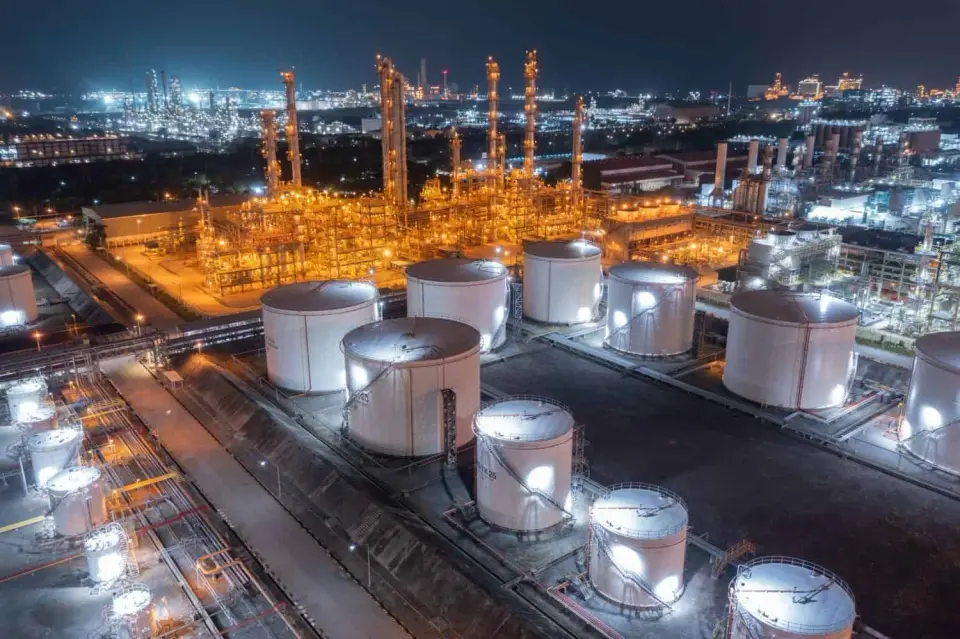
Chevron CEO Mike Wirth argues that global strategic oil reserves are exhausted, leaving markets vulnerable to shocks. To capitalize on this, Chevron is investing $7 billion to double output in Venezuela by the early 2020s, funded entirely by existing joint venture cash. This move coincides with record-high diesel crack spreads and rising Brent crude prices, reflecting a market where supply constraints are driving costs higher despite resilient demand.
Key points
- Chevron CEO Mike Wirth stated that emergency oil buffers used to stabilize markets after the Iran conflict are depleted and cannot be repeated indefinitely.
- Chevron is proposing a $7 billion expansion in Venezuela to double output by the early 2020s, funded solely by cash from existing Venezuelan joint ventures to protect capital for other projects.
- Brent crude settled at $109.51 on September 9, 2026, up from $61.35 at the end of 2025, while Wirth noted that demand destruction is not occurring at a significant scale.
- Chevron’s Q2 2026 results showed record free cash flow of $18.1 billion, revenue of $67.2 billion, and worldwide production of 4,070 MBOED, up 20% year over year.
- The Hess integration is running ahead of schedule, with $1.5 billion in annual synergies realized within one year and a $3 billion cost target hit six months early.
- Venezuela joint venture output has surged from 40,000 to 250,000 barrels per day, with debt recovery expected to be complete by early 2027.
Background
This development follows earlier warnings from Chevron CEO Mike Wirth in August 2026 regarding fragile oil markets and rising Middle East tensions, including Houthi attacks on shipping routes. It also occurs amidst a broader geopolitical shift in Venezuela, where the U.S. signed a 100-year concession with a private firm for 65 billion barrels of oil in September 2026, and former president Nicolás Maduro was detained in Brooklyn on drug-trafficking charges. These events highlight the complex political and physical landscape surrounding Venezuelan oil production and U.S. energy strategy.
How outlets are covering it
24/7 Wall St. emphasizes Chevron’s strategic bet on Venezuela as a low-cost option to hedge against depleted global reserves, highlighting the company’s strong cash flow and disciplined investment. RBN Energy focuses on the downstream refining crisis, noting that record diesel crack spreads are driven by U.S. refiners operating near capacity limits and low distillate inventories, rather than a pure crude shortage. While 24/7 Wall St. views high oil prices as a result of thin buffers and resilient demand, RBN Energy points out that the effective crack spread is lower than the headline figure due to RVO/RIN compliance costs, and that global crude supply is not as short as refined product supply. Both sources agree that the market is under significant stress, but they attribute the price dynamics to different parts of the supply chain: upstream reserves versus downstream refining capacity.
Why it matters
Chevron’s $7 billion bet on Venezuela signals a major shift in how integrated oil majors are responding to perceived long-term supply constraints. If Wirth is correct that strategic reserves are depleted, sustained high oil prices could drive further investment in risky jurisdictions like Venezuela, potentially reshaping global energy flows. However, the political risks in Venezuela, including sanctions policy shifts and contract enforcement issues, remain significant. Meanwhile, the record diesel crack spreads indicate that the energy crisis is not just about crude oil but also about the ability to refine it, which could lead to policy interventions like potential U.S. diesel export bans to protect domestic supply. This dual pressure on crude and refined products could have broader economic implications, affecting transportation, manufacturing, and consumer prices.
What to watch
Chevron expects to complete debt recovery in Venezuela by early 2027 and is in negotiations to improve fiscal terms to enable further investment. The company aims to double Venezuelan output by the early 2020s, funded by existing cash flows. In the broader market, analysts will watch for signs of demand destruction or OPEC+ discipline that could moderate crude prices. RBN Energy suggests that indicators for whether the diesel squeeze is easing will depend on refinery runs and inventory levels, with potential policy discussions around U.S. diesel export bans. Chevron’s stock performance and analyst targets will also be influenced by the success of the Hess integration and the execution of the Venezuela expansion.
- Chevron’s CEO Thinks the World Is Out of Spare Oil. He Is Betting $7 Billion on Being Right. 24/7 Wall St.
- Oil Executives Say the Great Fuel Crisis Is Here WSJ
- Basket Case – With U.S. Refiners Already Running Hard, Relief on Diesel Remains Elusive RBN Energy
- Chevron CEO says depleted crude oil buffers could lead to higher prices reuters.com
- Easing the Diesel Crunch Is Harder Than Keeping Planes in the Air Bloomberg.com
Want the full story? Read the original reporting
Read on 24/7 Wall St.