
Idaho’s Hot Fuel Examination Facility Earns Historic Plaque Amid Record Workload
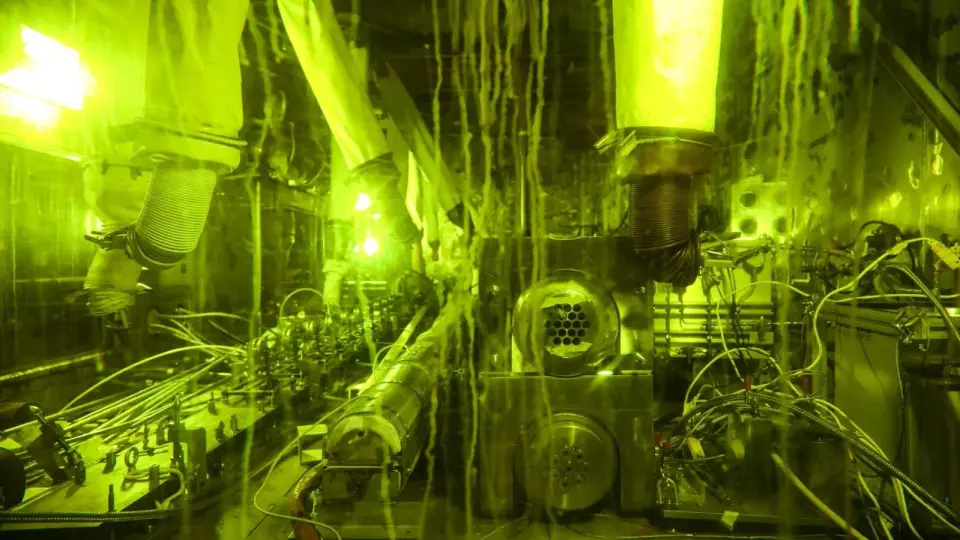
The Hot Fuel Examination Facility (HFEF) at Idaho National Laboratory has been designated a Nuclear Historic Landmark by the American Nuclear Society. Opened in 1975, HFEF is the largest inert-atmosphere hot cell in the US, used to cut open and analyze used nuclear fuel rods. Despite receiving a plaque typically associated with retired sites, the facility is currently at full capacity due to a surge in nuclear activity, including new reactor startups and upcoming high-burnup fuel tests.
Key points
- HFEF received a Nuclear Historic Landmark plaque on August 12, 2026, from the American Nuclear Society, making it the 10th site at Idaho National Laboratory to receive this designation.
- The facility’s main cell measures 70 by 30 by 25 feet and is filled with argon gas to prevent oxidation of metallic fuel and sodium residue during examination.
- HFEF houses the Neutron Radiography Reactor (NRAD), a 250-kilowatt TRIGA reactor that has operated since 1977 and reached its 5,000th run in February 2026.
- In 2024, over 10,000 pounds of equipment were removed from the facility to make space for sodium test loop work at the Transient Test Reactor (TREAT).
- A cask containing 32 high-burnup fuel assemblies, stored at the North Anna plant in Virginia since 2017, is expected to arrive at HFEF around 2027 for examination.
Background
This development follows a period of increased nuclear activity in Idaho, where two reactors went critical in June 2026. The HFEF serves as a critical bottleneck for approving new reactor fuel, as no fuel can be certified without physical examination of used rods. The facility’s current high workload contrasts with its historic designation, highlighting the growing demand for nuclear infrastructure in the US.
Why it matters
HFEF is a critical component of the US nuclear energy supply chain, as it is the primary site for post-irradiation examination of fuel rods. Its capacity and operational status directly impact the approval timeline for new reactor designs and fuel types. The facility’s current full schedule indicates a significant increase in nuclear activity and the need for expanded infrastructure to support the nuclear revival.
What to watch
The arrival of the North Anna cask in 2027 will test HFEF’s capacity to handle large-scale high-burnup fuel examinations. Additionally, the facility is expected to continue supporting sodium test loop work at TREAT, which is essential for validating sodium-cooled fast reactor designs. The American Nuclear Society’s designation may also lead to increased public awareness and potential funding for the facility.
Want the full story? Read the original reporting
Read on Autonocion.com