
IEA Report: Iran War Permanently Reshapes Global Energy Strategy
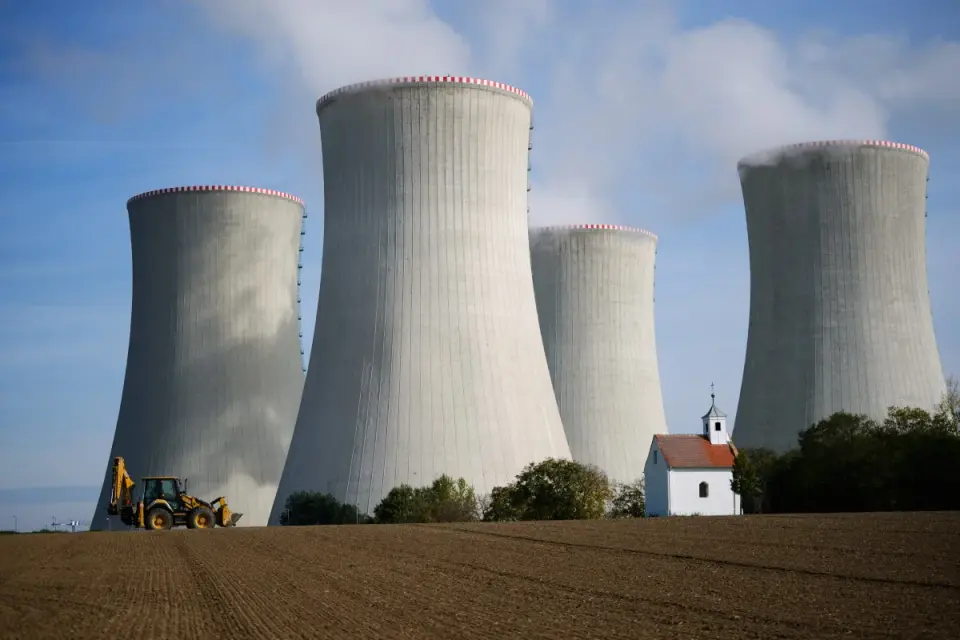
The International Energy Agency (IEA) released its 2026 World Energy Outlook, declaring that the US-Israel war with Iran has caused the largest energy shock in history. The conflict, which disrupted the Strait of Hormuz, has permanently altered global energy security, accelerating a shift toward domestic power generation, electrification, and renewables. While the Middle East remains the top oil exporter, reliance on the strait is expected to plummet from 20 million barrels per day to under 2 million by 2035. This transition coincides with COP31 climate talks in Turkey, where nations debate balancing fossil fuel security with the urgent need to limit global warming to 1.5 degrees Celsius.
Key points
- The IEA states the Iran war has created the 'largest threat' to energy security in history, dwarfing the 1970s oil shocks.
- Confidence in the Strait of Hormuz as a reliable energy corridor is shattered, with oil transit expected to drop from 20 million barrels per day to 8.5 million by 2030 and under 2 million by 2035.
- The crisis is accelerating a global shift toward electrification and domestic energy sources, particularly solar and nuclear power, to reduce dependence on imported fossil fuels.
- Coal-rich nations in Asia are retaining coal as a backup fuel for crisis times, despite the broader push for clean energy.
- At COP31 in Turkey, leaders are negotiating to raise the share of electricity in global energy consumption from 21% to 35% by 2035, though the role of fossil fuels in this transition remains debated.
Background
This development follows earlier reports in November 2026 indicating that the conflict removed 2.8 billion barrels of oil and 60 billion cubic meters of natural gas from global supply. Previous coverage noted that while Gulf exports have recovered to over 80% of pre-war levels, the IEA warns this recovery is fragile. Additionally, global fossil fuel emissions are projected to dip by 0.4% in 2026 due to the energy shock, but experts caution this is not a structural peak, with the carbon budget for 1.5 degrees Celsius warming now under four years.
How outlets are covering it
The International Energy Agency, through Executive Director Fatih Birol, emphasizes that the energy world cannot return to its pre-war state, describing the disruption as a 'huge shock' that will leave lasting marks. The New York Times highlights the permanent reshaping of the global energy order, noting the acceleration of electrification and domestic power generation. The Times of Israel focuses on the scale of the threat, quoting Birol’s assertion that the crisis dwarfs the 1970s oil shocks. While all sources agree on the severity of the disruption, the AP notes a tension between the push for renewables and the practical reality of coal-rich nations retaining fossil fuels for security, a nuance less emphasized in the other reports. The Union of Concerned Scientists argues the crisis adds urgency to clean energy transitions, whereas the IEA acknowledges the continued dominance of fossil fuels in national energy mixes.
Why it matters
The IEA’s findings indicate a structural break in global energy policy, moving away from reliance on the Strait of Hormuz and toward diversified, domestic energy sources. This shift impacts energy costs, climate goals, and geopolitical stability, as nations prioritize security and affordability over traditional supply chains. The outcome of COP31 will determine whether the world can balance these security concerns with the urgent need to reduce emissions to avert climate catastrophe.
What to watch
The IEA will monitor the implementation of energy security measures and the pace of electrification. COP31 negotiations in Turkey will conclude with decisions on global energy targets, including the share of electricity in total consumption. The IEA forecasts that oil demand could drop by more than 4% by 2035 if governments accelerate energy security measures, with electric vehicles displacing over 11 million barrels per day of demand. Continued instability in the Middle East may further disrupt alternative energy routes, influencing global energy prices and policy.
- There is no going back ‘to the way it was before’ the Iran war’s energy shock, IEA says AP News
- How the War in Iran Will Remake the Global Energy Order The New York Times
- The Iran War Could Permanently Slash Reliance on Hormuz, IEA Says WSJ
- Energy markets are not going back to the way they were, says Fatih Birol The Economist
- Iran crisis largest threat to energy ever, agency warns The Times of Israel
Want the full story? Read the original reporting
Read on AP News