
Heating oil prices surge 31% as Iran conflict and AI demand strain global energy markets
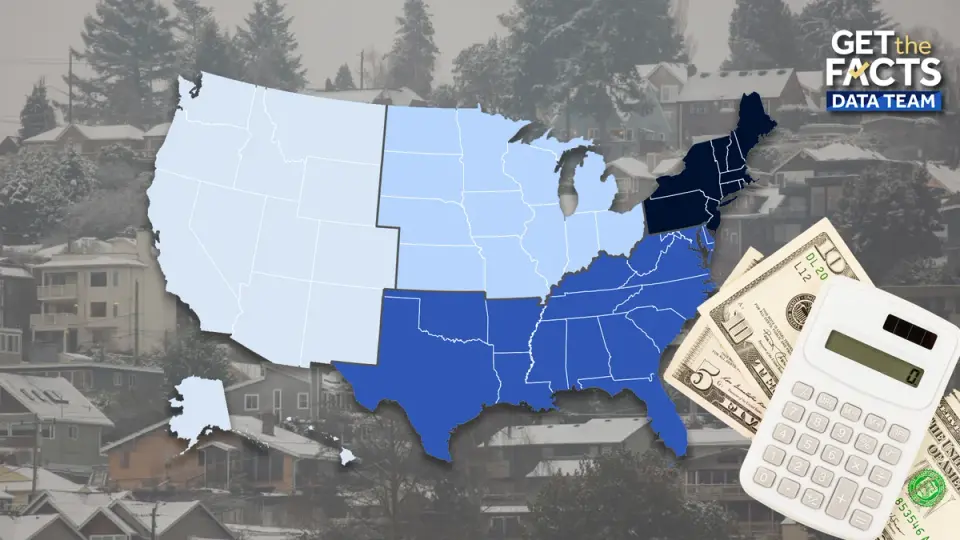
U.S. households face a 9% increase in winter heating costs, with heating oil prices jumping 31% due to the Iran conflict and AI-driven electricity demand, while El Niño offers slight relief.
Key points
- Heating oil costs are projected to rise 31% to $2,300 per household, driven by Brent Crude prices exceeding $100 per barrel.
- The Northeast faces the highest costs, with electricity rates averaging 24 cents per kilowatt-hour compared to 15 cents in the South.
- NEADA has requested an additional $3 billion in LIHEAP funding to assist low-income households facing steep energy bills.
- El Niño is expected to moderate overall heating costs, but rising oil and electricity prices offset the warmer weather.
- AI data centers are increasing electricity demand, straining aging grid infrastructure and pushing up wholesale power prices.
Background
The Iran conflict has been a significant driver of energy costs since its onset, with previous reports indicating the average U.S. household has already absorbed $1,650 in additional expenses. Additionally, AI data centers have been linked to rising wholesale electricity prices, with some forecasts suggesting a 20-30% increase by 2028 if current growth trends continue.
How outlets are covering it
WCVB and CNN both cite NEADA projections, highlighting the 31% surge in heating oil costs and the broader 9% increase in overall heating expenses. Heatmap News emphasizes the unique impact on New England, noting that Maine's heating oil prices are 60% higher than last year. BBC focuses on the UK, where heating oil prices have risen from 60p to 97p per litre, with the UK government pledging £53m in support. All sources agree that the Iran conflict is a primary driver of price increases, but they differ in their emphasis on regional impacts and the role of AI in driving electricity demand.
Why it matters
The rising cost of heating oil and electricity is a critical issue for households, particularly in the Northeast, where many rely on oil for heating. The surge in prices is driven by geopolitical tensions and increased demand from AI data centers, which are straining aging grid infrastructure. This has significant implications for household budgets, with many families facing difficult decisions about how to manage their energy costs. The situation also highlights the need for increased support through programs like LIHEAP and the importance of energy efficiency measures to mitigate the impact of rising prices.
What to watch
NEADA has requested an additional $3 billion in LIHEAP funding to assist low-income households facing steep energy bills. The U.S. government is also taking action to protect people and industry from the rising cost of fuel, including providing $53m to support those using heating oil and allocating $1bn to local authorities in the Crisis and Resilience Fund. Households are advised to consider energy efficiency measures, such as caulking leaks and replacing old furnaces, to reduce their energy costs. The situation is expected to remain volatile, with oil prices likely to remain high in the coming months.
- 'No room left in their budgets': US heating bills expected to rise this winter WCVB
- Get ready for a 30% jump in heating oil costs this winter as Iran war drives up prices Toledo Blade
- Rising oil prices create 'huge worry' as winter looms bbc.com
- New Englanders Will Pay Through the Nose to Stay Warm This Winter Heatmap News
- Heating Oil Hits Record High TradingView
Want the full story? Read the original reporting
Read on WCVB