
Oil Prices Slip as Hormuz Deal Stalls Amid Iran's Draft Restrictions
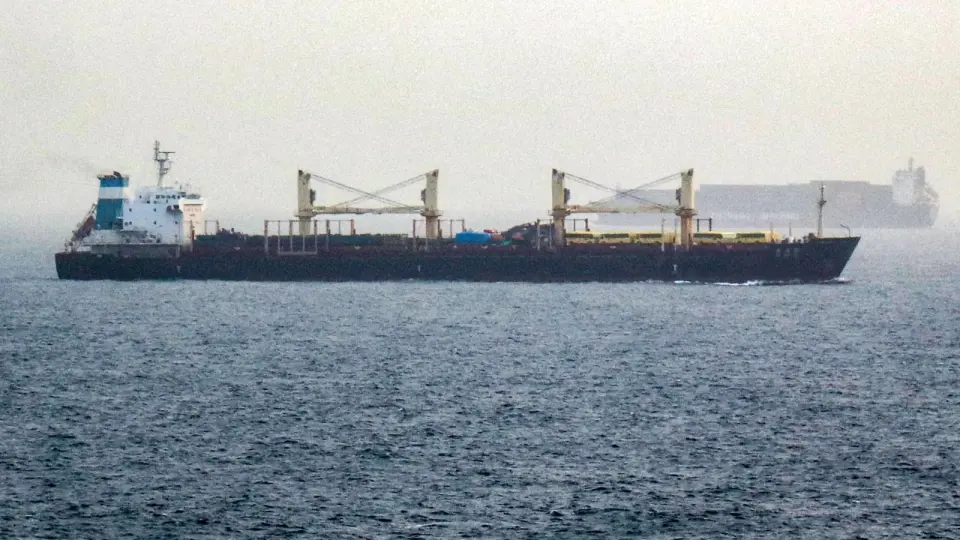
Brent crude fell to $82.13 and WTI to $77.25 as markets awaited a stalled deal to reopen the Strait of Hormuz. Iran and Oman are negotiating transit routes, but Tehran’s draft plan would ban U.S. and Israeli ships. Prices dropped 9% weekly despite unresolved supply risks.
Key points
- Brent crude settled at $82.13, down 36 cents, while WTI fell to $77.25, down 4 cents, with both benchmarks down approximately 9% for the week.
- Treasury Secretary Scott Bessent and President Trump previously indicated a Hormuz agreement was imminent, but no deal has been announced as of Friday.
- Iran and Oman are negotiating a framework where inbound traffic transits Iranian waters and outbound traffic uses Omani waters.
- Iranian state media published a draft plan under parliamentary review that would ban U.S. and Israeli ships from transiting the Strait and require compensation from nations that harmed Iran.
- The U.S. Strategic Petroleum Reserve has fallen to its lowest level since 1983 after recent releases, reducing the buffer against supply shocks.
- Global crude supplies remain low, with refiners facing capacity constraints and the Red Sea route facing potential Houthi attacks.
Background
This follows a volatile period where oil prices surged in early August after Iran denied a deal, then dipped in late July during a U.S.-Iran attack pause. Earlier coverage noted Iran’s push for a gatekeeping role in Hormuz and U.S. demands for unfettered transit. The current situation reflects ongoing tensions between diplomatic promises and physical shipping realities.
How outlets are covering it
CNBC focuses on the immediate price stagnation and the lack of a formal agreement despite high-level promises. Politico emphasizes the political risk for Republicans, noting that Trump’s ability to influence markets is fading as credibility erodes and gas prices remain high ahead of midterms. OilPrice.com highlights the disconnect between diplomatic optimism and physical supply, arguing that traders are pricing in a deal that has not yet restored actual tanker traffic or export volumes.
Why it matters
The Strait of Hormuz handles about 20% of global energy flows. A failure to reopen it fully threatens global supply chains and keeps gas prices elevated, impacting voter sentiment during midterm elections. The depletion of strategic reserves and refinery capacity issues mean that any delay in a deal could lead to sharper price spikes and economic instability.
What to watch
Markets will watch for any formal announcement of the Iran-Oman agreement or further restrictions in Iran’s draft plan. Traders are monitoring whether physical shipping volumes increase to confirm the deal’s viability. The U.S. may face pressure to release more reserves or negotiate directly with Iran if the current framework fails to restore normal trade flows.
- Oil rises as Iran's draft plan sees U.S. and Israel banned from Strait of Hormuz cnbc.com
- Oil prices drop as investors weigh potential Hormuz deal between Iran and Gulf states Reuters
- Oil Rises With Market Still Waiting for Strait of Hormuz Deal WSJ
- Trump has been able to keep oil prices low. But that power may not last forever. Politico
- Oil Prices Tumble as Traders Price In a Strait of Hormuz Breakthrough Crude Oil Prices Today | OilPrice.com
Want the full story? Read the original reporting
Read on cnbc.com