
DPA Refining Push Faces Time and Cost Barriers
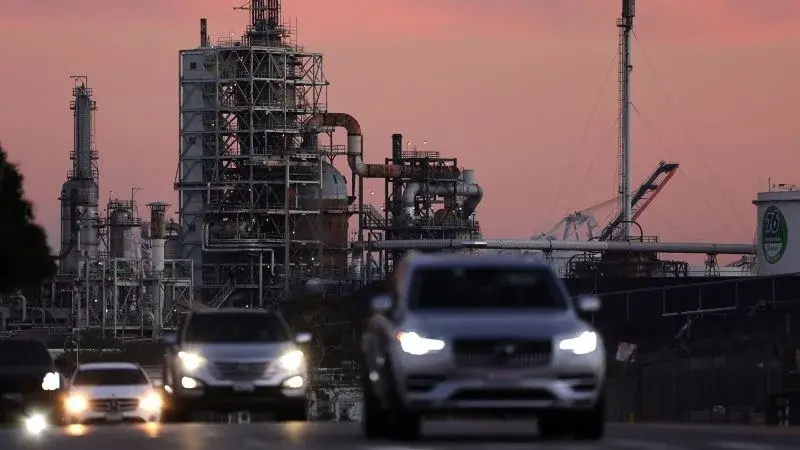
The White House is considering invoking the Defense Production Act (DPA) to expand U.S. refining capacity, but experts argue this approach will not quickly lower gas prices. U.S. refineries are currently running at 98% utilization, with diesel prices exceeding $6 per gallon for the first time. While the administration aims to boost output, industry leaders note that building new facilities takes years, and expanding existing plants is the only viable short-term option.
Key points
- U.S. refinery utilization hit 98% in late August, the highest level since 2000.
- Diesel prices surpassed $6 per gallon, driven by global supply disruptions.
- The White House is weighing DPA funding to expand existing plants or improve efficiency.
- Building a new refinery costs billions and takes years, making it impractical for immediate price relief.
- A 168,000-bpd refinery in Brownsville, Texas, is a potential test case for DPA funding.
Background
This debate follows earlier White House meetings with refiners in September 2026, where President Trump urged increased domestic output to lower pump prices ahead of midterm elections. Previous coverage noted that global refinery constraints, exacerbated by conflicts in the Middle East and Ukraine, have kept gasoline prices high despite falling crude oil costs. The administration has also explored leveraging Venezuelan crude and adjusting biofuel mandates to ease supply pressures.
How outlets are covering it
CNN emphasizes that expanding refining capacity will not lower gas prices, highlighting the structural limitations of the DPA approach. OilPrice.com and MarketScreener focus on the White House's active consideration of the DPA, noting that refineries are maxed out and diesel prices are at record highs. Moomoo highlights the market reaction, with net long positions in WTI crude hitting a 20-week high, suggesting traders are pricing in potential supply constraints. While all sources agree on the current capacity crunch, they differ on the efficacy of the DPA as a solution, with industry executives favoring efficiency upgrades over new construction.
Why it matters
The DPA debate underscores the tension between political pressure for lower gas prices and the physical realities of energy infrastructure. If the administration proceeds with DPA funding, it could reshape the U.S. refining landscape, but the long lead times for new projects mean immediate relief is unlikely. This could impact consumer costs, corporate profits for refiners, and the broader energy policy agenda ahead of the 2026 midterms.
What to watch
The White House is expected to continue discussions with refiners to determine the scope of DPA involvement. Key decisions will hinge on whether funding targets efficiency upgrades or new construction. The Brownsville refinery project may serve as a pilot for DPA funding, with potential implications for future energy infrastructure investments. Market participants will monitor WTI crude prices and diesel inventories for signs of supply relief or continued tightening.
- Why Trump’s effort to build more refineries won’t lower gas prices CNN
- EXCLUSIVE: White House weighs how to use Defense Production Act to expand US oil refining capacity, sources say Reuters
- White House Weighs Defense Production Act as U.S. Refineries Maxed Out Crude Oil Prices Today | OilPrice.com
- As net long positions in WTI crude oil hit a 20-week high, the Trump administration is considering invoking the Defense Production Act to expand refining capacity. Moomoo
- White House Looking to Expand US Oil Refining Capacity marketscreener.com
Want the full story? Read the original reporting
Read on CNN