
U.S. Strategic Petroleum Reserve Hits 40-Year Low Amid Iran Conflict
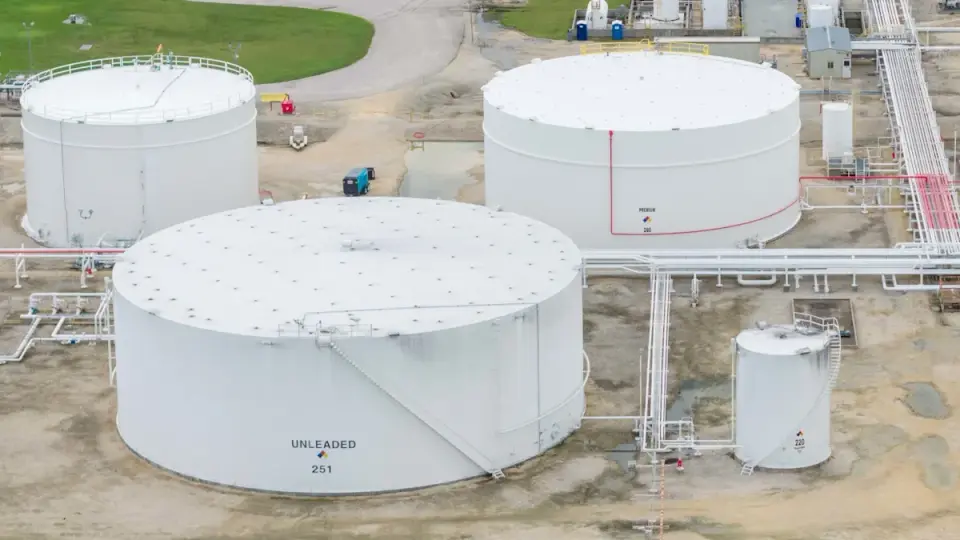
The U.S. Strategic Petroleum Reserve (SPR) has dropped below 300 million barrels, its lowest level since 1983, as 172 million barrels are released to offset supply disruptions from the Iran war. Experts warn that further drawdowns risk damaging the salt caverns that store the oil, while the Department of Energy maintains the infrastructure remains stable. Brent crude prices have surged above $85 per barrel as the Strait of Hormuz remains closed.
Key points
- The SPR fell to 298.7 million barrels last week, the lowest since January 1983, with plans to draw down to approximately 243 million barrels.
- The U.S. is releasing 172 million barrels as part of a coordinated 400 million barrel release by the International Energy Agency to stabilize global oil markets.
- Brent crude prices exceeded $85 per barrel, while West Texas Intermediate hovered around $83, driven by fears of prolonged supply shortages.
- The Strait of Hormuz, which normally carries 20% of global oil, remains closed by Iran, exacerbating market volatility and fuel costs.
- The SPR's maximum authorized capacity is 727 million barrels, but current levels are far below the 415 million barrels it held before the conflict began.
Background
The SPR had previously dipped below 350 million barrels in 2023 during the Russia-Ukraine conflict but was refilled to 415 million barrels before the current crisis. Recent archive reports from August 2026 highlighted growing concerns over the structural integrity of the salt caverns due to repeated drawdowns, with the Government Accountability Office warning that frequent cycles could reduce long-term viability. The current release is part of a broader global effort to mitigate the impact of the Iran war on energy supplies.
How outlets are covering it
The Department of Energy asserts that the caverns are 'always full' and that only the ratio of oil to water changes, denying claims of structural risk. In contrast, former Biden energy advisor Amos Hochstein and Texas A&M professor Siddharth Misra argue that dropping below 300 million barrels risks damaging the caverns and reducing pumping speeds. Misra notes a practical operational floor of 250-300 million barrels, while the GAO warns that repeated drawdowns have already caused 'severe cavern deformation.' Global News emphasizes the broader impact on Canadian fuel prices, noting that Canada, despite being an IEA member, lacks a government-mandated strategic stockpile due to its status as a net oil exporter.
Why it matters
The depletion of the SPR to a 40-year low raises serious questions about the U.S. ability to respond to future energy emergencies, such as hurricanes or geopolitical shocks. If the reserve drops below 243 million barrels, the risk of structural damage to the salt caverns could compromise the nation's emergency oil supply. Additionally, the prolonged closure of the Strait of Hormuz and rising oil prices are driving up fuel costs globally, with potential ripple effects on inflation and economic stability.
What to watch
The U.S. is expected to complete the release of 172 million barrels, leaving the SPR at approximately 243 million barrels. Refilling the reserve will take a long time, especially given strained global oil supplies. The outcome of the Iran conflict and the status of the Strait of Hormuz will determine whether oil prices continue to rise or stabilize. The Department of Energy and the GAO will likely monitor the condition of the salt caverns to assess any long-term damage from the drawdown.
- The Strategic Petroleum Reserve hasn't been this low since Reagan was filling it in 1982. Critics wonder: How low is too low? Yahoo Finance
- Depleted strategic oil reserve nears level that raises concerns about damage to caverns, operations cnbc.com
- U.S. strategic reserves are getting so low it threatens damaging the 60 underground salt caverns storing American oil Fortune
- Strategic oil stockpiles have hit a 40-year low amid the Iran war Global News
- U.S. oil reserves hit the lowest level seen in over 40 years NPR
Want the full story? Read the original reporting
Read on Yahoo Finance