
US Oil Buffer Hits 44-Year Low as Engineering Limits and Geopolitical Strain Collide
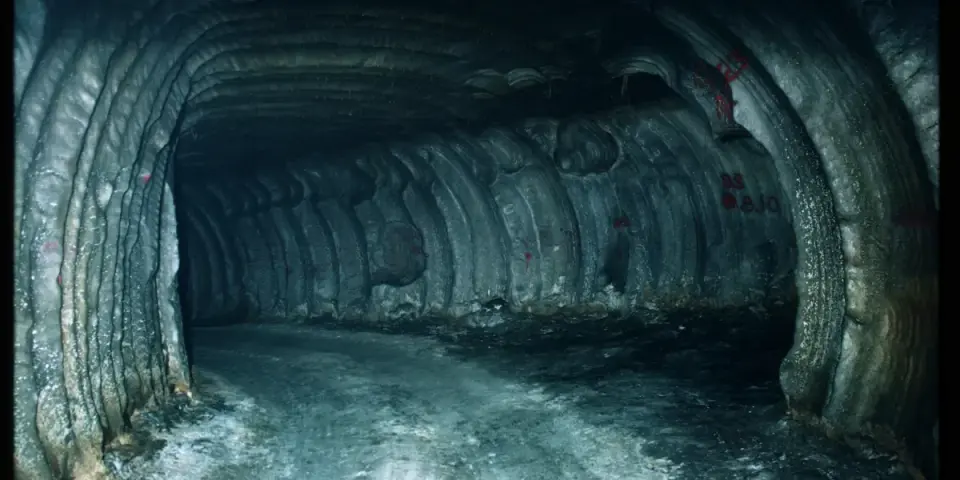
The US Strategic Petroleum Reserve (SPR) has dropped to approximately 293 million barrels, a 44-year low, due to massive releases aimed at mitigating supply shocks from the Iran conflict and Strait of Hormuz disruptions. This depletion has triggered severe engineering concerns, as the reserve’s aging salt caverns face risks of structural collapse, thermal shock, and reduced pumping speeds if levels fall further. While the SPR successfully cushioned immediate market volatility, its current state limits the US’s ability to respond to future crises, with only about 41 million barrels remaining before hitting the legal statutory floor of 252.4 million barrels. The situation highlights a growing tension between geopolitical strategy and physical infrastructure limits, as the reserve’s capacity to act as a rapid emergency buffer is diminishing.
Key points
- SPR inventory fell to 293.4 million barrels, the lowest level since 1982, representing only 41% of its 714 million barrel authorized capacity.
- The reserve faces a statutory limit of 252.4 million barrels; dropping below this threshold requires a formal national emergency declaration for further releases, eliminating routine drawdown flexibility.
- Engineering experts warn that current levels risk 'upconing' (sludge ingestion), uncontrolled salt dissolution, and thermal shock, which could damage cavern integrity and reduce pumping speeds from 4.4 million to 500,000-750,000 barrels per day.
- The US released up to 172 million barrels as part of a coordinated 400-million-barrel international intervention to stabilize markets after Strait of Hormuz flows collapsed from 20 million to 2.7 million barrels per day.
- Combined US commercial and strategic oil inventories now cover only 41 days of refinery supply, down from a historical average of 65 days, significantly narrowing the margin for absorbing future shocks.
Background
The SPR has been in a state of rapid decline since April 2026, with weekly withdrawals averaging 6.3 million barrels. Previous archive reports noted the reserve dipped below 300 million barrels in early August, sparking debate over the safety of further drawdowns. The current situation is the culmination of months of emergency releases aimed at countering the Iran conflict, which has severely restricted global oil flows through the Strait of Hormuz.
How outlets are covering it
Fortune and 24/7 Wall St. emphasize the physical and engineering dangers of the current low levels, highlighting risks to the salt caverns and the reduced ability to pump oil quickly in an emergency. Defence Security Asia focuses on the strategic implications, noting that the 41-day coverage ratio signals a loss of resilience and increased vulnerability to geopolitical shocks. Nour News frames the issue as a paradox, arguing that the US’s aggressive financial and energy pressure on Iran may backfire by increasing its own economic vulnerability through higher energy costs and inflation. All sources agree that the SPR’s current state limits the US’s ability to respond to future disruptions, but they differ on the primary threat: engineering failure, geopolitical risk, or economic self-harm.
Why it matters
The depletion of the SPR to a 44-year low represents a critical shift in US energy security. The reserve is no longer just a financial buffer but a physical constraint, with engineering limits now dictating how much oil can be safely extracted. This reduces the US’s ability to respond to future crises, whether from geopolitical conflicts, infrastructure failures, or natural disasters. The situation also highlights the interconnectedness of energy, finance, and geopolitics, as the US’s efforts to pressure Iran may inadvertently increase its own economic vulnerability. For policymakers, the challenge is balancing immediate market stability with long-term infrastructure integrity and strategic flexibility.
What to watch
The US must decide whether to continue drawing down the SPR toward the 252.4 million barrel statutory limit or halt releases to preserve infrastructure integrity. If the Strait of Hormuz normalizes, the US may begin rebuilding the SPR, which could require purchasing 200 million barrels at a cost of $14-18 billion. However, if another major disruption occurs, the US will have fewer barrels to deploy and less time to respond. The coming months will test the resilience of the US energy system and the effectiveness of its emergency response mechanisms.
- Less than 300 million barrels left: the engineering limits threatening the American Strategic Petroleum Reserve Fortune
- Oil stocks in US Strategic Petroleum Reserve fall by 3.7 million barrels to lowest level since 1982 Reuters
- US Oil Buffer Plunges to 41 Days as Hormuz Crisis Drains Strategic Reserves Defence Security Asia
- US Oil Reserves Hit a Half-Century Low; Washington Escalates Financial War Against Iran نورنیوز
- America's Strategic Petroleum Reserve Is Running on Fumes. What Happens When the Next Supply Shock Hits? 24/7 Wall St.
Want the full story? Read the original reporting
Read on Fortune