
Leaked files reveal Deutsche Bank ignored compliance warnings on Trump, oligarchs
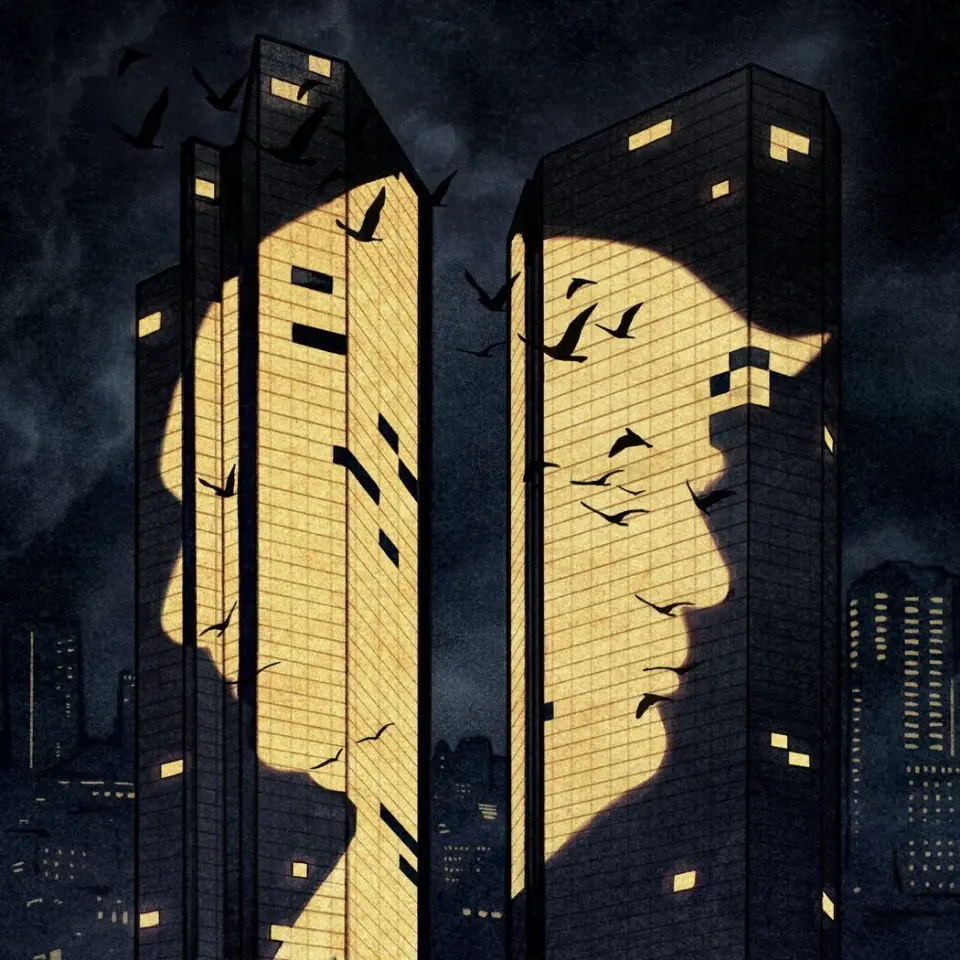
A massive leak of 15 million internal documents reveals that Deutsche Bank systematically ignored compliance warnings regarding high-risk clients, including Donald Trump and Russian oligarchs. The files, obtained by two whistleblowers and analyzed by over 230 journalists, suggest the bank prioritized profit over regulatory safety for decades. While the bank claims it has since invested 7 billion euros in controls, the documents expose a culture of risk-taking under CEO Christian Sewing, leading to a 4% drop in shares.
Key points
- Two whistleblowers leaked over 15 million internal documents, including emails and risk assessments, to a consortium of 230 journalists from 56 media outlets.
- The files indicate that Deutsche Bank’s compliance staff repeatedly raised concerns about money laundering and sanctions evasion, but executives prioritized profit and growth.
- The bank allegedly maintained a list of roughly 50 'most sensitive clients,' including Russian state-owned Gazprom and oligarch Oleg Deripaska, despite geopolitical tensions.
- Documents show the bank failed to adequately report suspicious activities related to Donald Trump, including an accidental leak of his tax statements during his first term, which was kept secret from the White House.
- Deutsche Bank shares fell by 4% following the reports, as the bank faced scrutiny over its handling of Jeffrey Epstein and its slow exit from Russia after the 2022 invasion of Ukraine.
Background
This investigation builds on earlier reports from our archive that highlighted specific failures, such as the accidental leak of Trump’s tax data and the creation of special 'covered client' statuses. While previous coverage focused on individual incidents, this new synthesis confirms a systemic pattern of ignoring compliance warnings over a 25-year period, during which the bank paid 18 billion euros in fines for misconduct.
How outlets are covering it
The Financial Times emphasizes the internal culture under CEO Christian Sewing, noting that he pushed for greater risk-taking and concealed problems from shareholders. The New York Times focuses on the timeline of the bank’s response to the 2022 invasion of Ukraine, highlighting the scramble to manage sanctions. The Guardian highlights the bank’s defense, stating that the issues date back two decades and have been addressed, while critics argue the bank prioritized profit over controls. Follow the Money notes that the leak complicates the bank’s previous conclusion that there were no bank-related connections between Trump and Russia.
Why it matters
The revelations raise serious questions about the integrity of global financial institutions and their ability to prevent money laundering and sanctions evasion. The leak suggests that major banks may shield politically powerful clients from scrutiny, undermining regulatory efforts and public trust in the financial system.
What to watch
Deutsche Bank has stated it will continue to protect confidential information and has invested 7 billion euros in its control environment since 2019. Regulators and shareholders may demand further accountability as the bank faces ongoing scrutiny over its historical practices and current compliance measures.
- Deutsche Bank protected Trump from scrutiny, leak shows Follow the Money - Platform for investigative journalism
- Deutsche Bank Leak Reveals $582 Million In Suspicious Epstein Payments Forbes
- FirstFT: Inside the chaos at Deutsche Bank Financial Times
- Leaked Records Show Deutsche Bank Courting Russian Oligarchs The New York Times
- Deutsche Bank dismissed warnings about dealings with risky clients, reports claim The Guardian
Want the full story? Read the original reporting
Read on Follow the Money - Platform for investigative journalism