
Swiss Finance Minister Rejects UBS Capital Compromise as 'Taxpayer Betrayal'
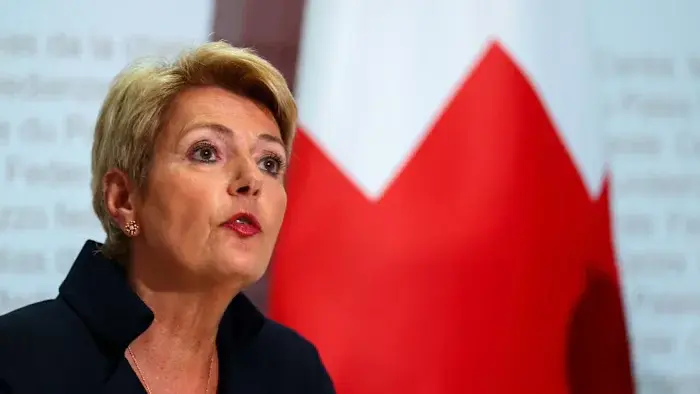
Swiss Finance Minister Karin Keller-Sutter has sharply criticized a parliamentary committee proposal to reduce the capital burden on UBS, calling it a concession that favors the bank over taxpayers. The government originally sought to force UBS to raise $20 billion in expensive common equity tier one (CET1) capital to fully capitalize its foreign subsidiaries. However, the committee proposed allowing UBS to use cheaper additional tier one (AT1) debt for half of this requirement, lowering the total cost to approximately $13 billion. Keller-Sutter, who led the post-Credit Suisse reforms, expressed surprise at the lobbying strength behind the compromise and warned it could trigger a public referendum. UBS acknowledged the committee’s efforts but noted the new rules would still significantly increase its costs. The debate continues as parliament prepares to discuss the reforms later this month, with UBS shares falling 1.8% in Zurich.
Key points
- Finance Minister Karin Keller-Sutter condemned the parliamentary committee’s compromise as a solution favoring UBS at the expense of taxpayers.
- The government’s original April plan required UBS to raise $20 billion in CET1 capital to fully capitalize foreign subsidiaries.
- The committee proposed allowing UBS to use cheaper AT1 debt for half the capitalization, reducing the total requirement to about $13 billion.
- Keller-Sutter expressed confidence the compromise would fail in parliament and warned of potential public referendum if passed.
- UBS stated the new proposal would still significantly increase costs but acknowledged the committee’s effort to consider alternatives.
- UBS executives have privately warned that excessive regulation could prompt the bank to move its headquarters out of Switzerland.
Background
This dispute follows the 2023 collapse of Credit Suisse and the subsequent state-orchestrated takeover by UBS. In August 2026, Swiss bankers warned that overbearing regulation could threaten Switzerland’s status as a global financial hub, urging proportionate reforms. The current debate reflects ongoing tensions between ensuring financial stability and maintaining international competitiveness, particularly as rivals adopt simpler regulatory frameworks.
Why it matters
The outcome of this regulatory battle will determine the financial resilience of Switzerland’s largest bank and the country’s attractiveness as a financial hub. A weakened capital requirement could expose the system to future crises, while excessive burdens might drive UBS to relocate, impacting Switzerland’s economic influence. The potential for a public referendum adds a democratic dimension to high-stakes financial policy, highlighting the political sensitivity of post-crisis reforms.
What to watch
Swiss parliament is scheduled to debate the banking reforms later this month. Keller-Sutter expects the committee’s compromise to be rejected, but if it passes, it may face a public referendum. UBS will continue to monitor the legislative process, with its executives potentially considering relocation if regulations remain excessively burdensome.
- Swiss finance minister hits out at move to water down UBS capital plans Financial Times
- Swiss parliamentary committee passes UBS capital concessions Reuters
- UBS Scores Interim Win in Push Against Swiss Capital Demands Bloomberg.com
- UBS Gets a Win in Swiss Capital Battle WSJ
- UBS says parliamentary proposal would still require an extra $13 billion in capital tradingview.com
Want the full story? Read the original reporting
Read on Financial Times