
Treasury limits Trump Accounts to low-cost index funds for children
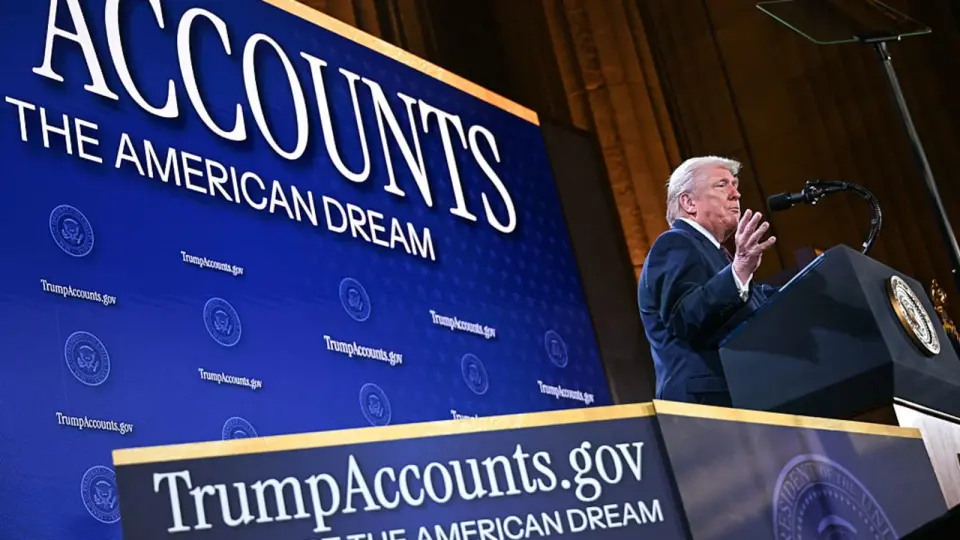
The U.S. Treasury and IRS proposed rules restricting Trump Accounts (530A) to low-cost, broad-market index funds during the initial growth period. The guidance aims to minimize fees and maximize compound growth for children born between 2025 and 2028, who receive a $1,000 federal seed contribution. While the program currently offers limited ETF options, the rules clarify that investment restrictions lift once the beneficiary turns 18. This move coincides with broader concerns about retirement readiness among older generations, though employer participation in the new child accounts remains limited.
Key points
- Treasury and IRS issued proposed guidance on August 20, 2026, defining eligible investments for Trump Accounts.
- Eligible investments must be low-cost index funds tracking broad U.S. or global equity markets.
- Investment restrictions apply only until December 31 of the year the beneficiary turns 17.
- Current default options include SPYM, IVV, VTI, SPTM, and ITOT.
- Bank of New York Mellon serves as the official manager for these accounts.
- The program targets children born between January 1, 2025, and January 1, 2029.
Background
Earlier in 2026, the Treasury proposed allowing tax-free contributions of up to $2,500 annually from parents and employers, with a $1,000 federal seed deposit for eligible newborns. Discussions also emerged regarding potential auto-creation of accounts for up to 70 million children, though the program remains opt-in. These new investment rules follow the establishment of the account framework and aim to ensure long-term financial stability for the next generation.
How outlets are covering it
CNBC emphasizes the fee-saving aspect, quoting Treasury Secretary Scott Bessent and IRS CEO Frank Bisignano on the importance of low expense ratios for compound growth. HR Dive contextualizes the news within broader retirement anxiety, noting that nearly 40% of Generation Xers doubt they will fully retire, and highlights that employer interest in Trump Accounts is currently not widespread. While CNBC focuses on the investment mechanics, HR Dive frames the policy as a potential solution to intergenerational financial stress. Plansponsor’s coverage, while related to retirement plans, does not address Trump Accounts directly, focusing instead on defined benefit plan terminations and cash balance strategies, indicating a divergence in industry focus between individual child savings and corporate pension management.
Why it matters
These rules determine the long-term financial trajectory for millions of children by locking in low-cost investment strategies during their most critical growth years. By restricting options to broad-market index funds, the government aims to prevent fee erosion, potentially leaving beneficiaries with significantly higher balances by adulthood. This policy signals a federal commitment to early financial inclusion, though its impact depends on participation rates and future market performance.
What to watch
The proposed rules are open for public comment, with a hearing scheduled for October 15. Final regulations will determine the exact list of approved ETFs and the timeline for lifting investment restrictions at age 18. Employers and families will need to decide whether to contribute beyond the federal seed money, with over 50 companies already pledging support. The outcome may influence whether the program expands to auto-enrollment or remains opt-in.
- Treasury proposes low-cost investment rules for Trump Accounts CNBC
- What Parents Need To Know About Trump Accounts For Kids Forbes
- Treasury Details Rules for Trump Account Investments WSJ
- Feds propose ‘Trump Account’ regulations as older workers’ retirement hopes dwindle HR Dive
- As Rules for Trump Account Contributions Take Shape, Employers Still Question Mechanics plansponsor
Want the full story? Read the original reporting
Read on CNBC