
UBS pays record $125m to settle repeat AML violations
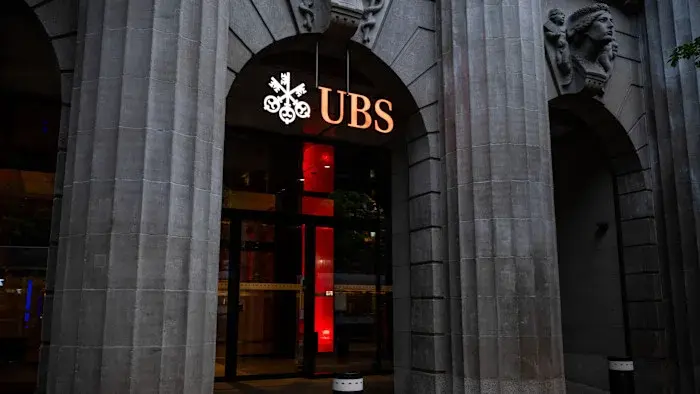
UBS Financial Services has agreed to pay a total of $125 million to settle charges from US regulators for failing to implement adequate anti-money laundering controls. The penalty, which includes fines from the SEC, CFTC, and FINRA, is the largest ever imposed on a broker-dealer for Bank Secrecy Act violations. Regulators cited UBS as a repeat offender after a similar 2018 fine, noting that the bank continued to use flawed monitoring systems, including manual spreadsheets, that missed thousands of suspicious transactions involving high-risk clients.
Key points
- The US Treasury’s FinCEN fined UBS Financial Services $125 million, the largest penalty ever for a broker-dealer violating the Bank Secy Act.
- The total settlement includes $20 million to the SEC, $20 million to FINRA, and $8 million to the CFTC, with the first three amounts credited against the FinCEN penalty.
- UBS admitted to 'wilfully violating' the Bank Secrecy Act by failing to monitor foreign currency transactions and conduct due diligence on high-risk customers between January 2019 and June 2023.
- Regulators found that UBS used a manual Excel-based monitoring system that missed hundreds of alerts, including those related to a Russian oligarch with ties to Vladimir Putin.
- This is the second round of enforcement action against UBS for similar conduct, following a $14.5 million fine in 2018, which regulators labeled as 'recidivist' misconduct.
Background
This case follows a broader trend of increased scrutiny on anti-money laundering (AML) compliance among major financial institutions. In August 2026, Capital One faced legal challenges after closing over 300 accounts linked to the Trump Organization, citing AML concerns. Similarly, in July 2026, a former nurse was fined $544,000 for a money laundering scheme involving fake COVID vaccine cards, highlighting the diverse and severe penalties associated with AML violations across different sectors.
How outlets are covering it
The Financial Times emphasizes the record-breaking nature of the $125 million fine and UBS’s admission of 'wilful' violations, framing the case as a historic action against a repeat offender. VitalLaw.com provides a more technical breakdown of the regulatory process, detailing the specific agencies involved (CFTC, SEC, FINRA, FinCEN) and the legal statutes violated, such as the Securities Exchange Act and Investment Advisers Act. While both sources agree on the core facts, the FT focuses on the severity of the penalty and the specific failures in monitoring high-risk clients, whereas VitalLaw highlights the 'progressive discipline' approach of regulators and the specific deficiencies in UBS’s manual monitoring systems that persisted despite previous commitments to remediate.
Why it matters
The case underscores the increasing regulatory focus on AML compliance, particularly for institutions serving high-net-worth and high-risk clients. The record fine signals a shift toward stricter enforcement and 'progressive discipline' for repeat offenders, potentially influencing how other financial institutions design and implement their AML programs. It also highlights the risks associated with manual monitoring systems and the importance of timely remediation of identified deficiencies.
What to watch
UBS has stated that the settlement 'brings closure to this legacy matter' and that it has made significant investments to strengthen its AML program. Regulators will likely continue to monitor UBS’s compliance and may pursue further action if deficiencies are identified. The case may also serve as a precedent for future enforcement actions against other financial institutions with similar AML failures.
- UBS fined $125mn over lax money laundering controls Financial Times
- UBS fined $125 million by US regulators for money laundering violations reuters.com
- BREAKING NEWS: FinCEN Imposes Record Penalty ACAMS
- UBS to Pay $125 Million Over Anti-Money Laundering Violations Bloomberg.com
- RISK MANAGEMENT—UBS settles with CFTC, SEC, FINRA, FinCEN; fined millions for AML failures VitalLaw.com
Want the full story? Read the original reporting
Read on Financial Times