
Taco Bell Launches $1 Lettuce-Free Deals to Rebuild Trust After Cyclospora Crisis
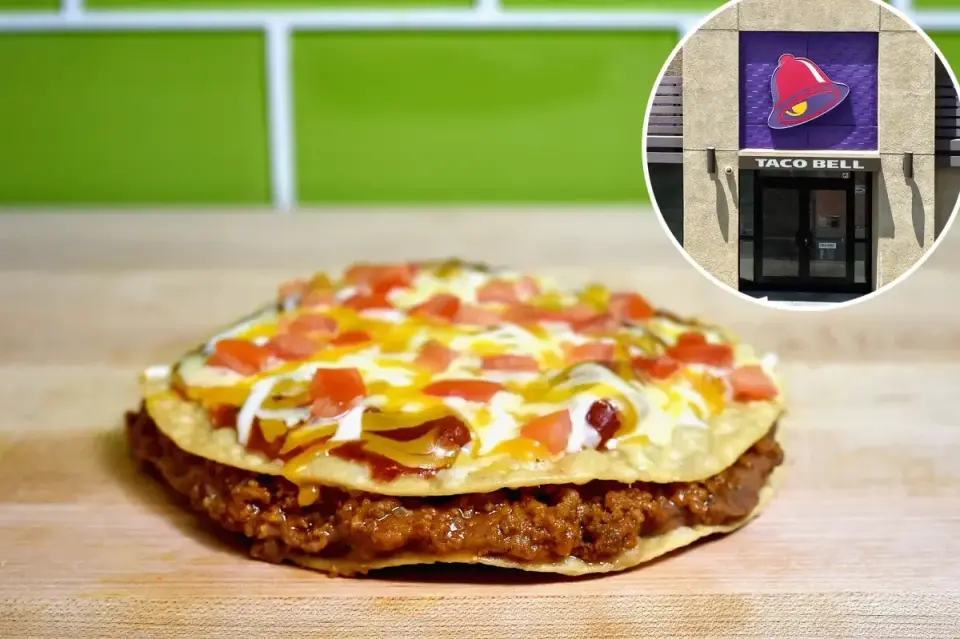
Taco Bell is aggressively marketing lettuce-free menu items, including a $1 Mexican pizza, to recover from a cyclospora outbreak linked to Taylor Farms iceberg lettuce. While foot traffic and sales have declined since July, the chain’s parent company, Yum! Brands, reports that the sales hit has stabilized and that brand sentiment is recovering as consumers recognize the issue is industry-wide rather than specific to Taco Bell.
Key points
- Taco Bell has introduced steep discounts, including $1 Mexican pizzas, Enchiritos, and nacho fries, specifically for items that do not contain shredded lettuce.
- The cyclospora outbreak, linked to Taylor Farms lettuce, has sickened over 1,900 people across nine states, with nearly 100 hospitalizations and no reported deaths.
- Yum! Brands reported a 2% same-store sales decline for Taco Bell in the third quarter, but noted that the worst impact occurred around July 18 and has since moderated.
- Taco Bell CEO Sean Tresvant posted a message on LinkedIn thanking loyal customers, while the chain leverages its digital rewards program to drive traffic.
- Yum! Brands shares fell nearly 10% since the outbreak was identified, but the stock turned positive after the Q2 earnings call, which showed robust overall profits.
Background
The cyclospora outbreak began surfacing in May 2026, with cases linked to Taylor Farms iceberg lettuce sourced from central Mexico. By mid-July, the FDA and CDC identified the lettuce as the likely source, prompting Taco Bell to remove the ingredient from its restaurants. Earlier coverage noted that foot traffic dropped by approximately 30% in mid-July, and Yum! Brands shares fell roughly 9% in the week following the identification of the chain. The current promotions are a continuation of the strategy first introduced on July 22, which focused on $1 Enchiritos and nacho fries.
How outlets are covering it
Fox News and CNN emphasize the financial impact, noting that Yum! Brands shares fell nearly 10% and that Taco Bell sales dropped 2% in the third quarter. CNN highlights that the sales impact bottomed out on July 18, while Fox News notes that the outbreak sickened over 1,900 people. Restaurant Dive focuses on the recovery trajectory, citing Yum! Brands CEO Chris Turner’s assertion that the sales hit will be short-lived and that brand sentiment has already recovered. The New York Post highlights the consumer reaction, noting that while some customers are supportive, others are seeking legal action, and that the chain is relying on its loyal fanbase to drive traffic to lettuce-free items.
Why it matters
The cyclospora outbreak has had a significant impact on Taco Bell’s sales and brand reputation, but the chain’s quick response and aggressive marketing of lettuce-free items have helped stabilize the situation. The recovery of brand sentiment and the moderation of sales declines suggest that the crisis may be short-lived, but the financial impact on Yum! Brands and the potential for legal action from affected customers remain concerns.
What to watch
Taco Bell will continue to monitor sales and foot traffic as it implements its lettuce-free promotions. Yum! Brands will likely continue to emphasize the industry-wide nature of the outbreak to reassure investors and consumers. The FDA and CDC will continue to investigate the outbreak, and the chain may face legal action from affected customers. The long-term impact on Taco Bell’s brand and sales will depend on its ability to maintain customer trust and confidence in its food safety practices.
- Taco Bell hopes to win back fans with $1 Mexican pizza and lettuce-free deals amid cyclospora source rumors New York Post
- Taco Bell’s Plan to Win Back Customers After Cyclospora Illness Outbreak WSJ
- Taco Bell offers $1 Mexican pizza, other lettuce-free deals to win back customers after outbreak Fox News
- Why Taco Bell predicts a swift recovery from Cyclospora Restaurant Dive
- Taco Bell sales fell after cyclospora outbreak CNN
Want the full story? Read the original reporting
Read on New York Post