
Gulf oil flows near prewar levels, but analysts warn Iran may escalate if US blockade persists
Middle East crude exports have recovered to approximately 98% of prewar levels, driven by US naval escorts, ship-to-shuttle transfers, and pipeline diversions. However, Iran’s own exports remain near zero due to a US blockade. Analysts warn that while the US has restored flow, it cannot guarantee regional security, leaving Iran with potential leverage to escalate through a 'scorched earth' campaign if diplomatic off-ramps are rejected.
Key points
- JPMorgan and Kpler report Middle East crude exports at 17.5 to 19 million barrels per day, reaching 98% of prewar levels.
- Approximately 40% of Gulf crude now bypasses the Strait of Hormuz via pipelines, up from 17% before the conflict.
- Iran’s oil exports have fallen to near zero following the US naval blockade reimposed in July.
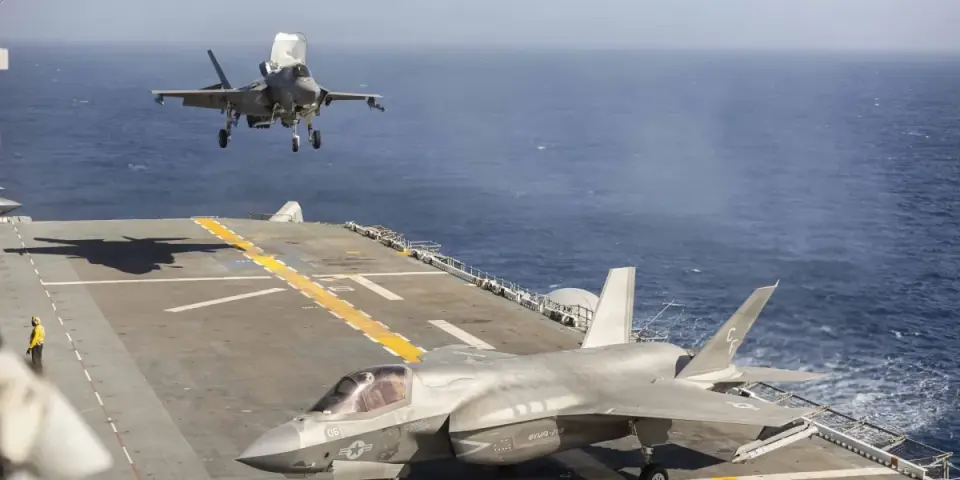
- The US is deploying the USS Theodore Roosevelt and the 13th Marine Expeditionary Unit to the region.
- Refined fuel flows remain at 58% of prewar levels, with diesel prices exceeding $6 per gallon in the US.
Background
Since the US-Israel war with Iran began, the Strait of Hormuz has been effectively closed, causing a global supply shock. Previous coverage noted that oil prices spiked above $109 in September before dipping below $100 as diplomatic signals emerged. US Navy escorts had previously restored flows to 80% of prewar levels, but global inventories continued to deplete, raising concerns about the sustainability of the current arrangement without a diplomatic resolution.
How outlets are covering it
Fortune highlights the risk of a 'scorched earth' campaign by Iran, noting that while the US controls the strait, it cannot guarantee security for all Gulf infrastructure. CNN emphasizes the unsustainability of the current status quo, warning that depleting global inventories will eventually force prices higher, and notes that Iran is ramping up attacks on tankers to regain leverage. BBC attributes the recovery to three specific mechanisms: US military air support, a shuttle tanker system, and pipeline diversions, but questions the long-term viability of these measures. The New York Times frames the recovery as a surprise, suggesting it reveals the limits of Iran’s leverage but does not resolve the underlying geopolitical tensions.
Why it matters
The recovery of oil flows stabilizes global energy markets in the short term, but the underlying geopolitical risk remains high. If Iran escalates attacks on infrastructure or if the US blockade continues, the current fragile equilibrium could collapse, leading to a sharp spike in energy prices and further economic instability. The situation also highlights the growing reliance on military intervention to maintain global energy supply chains.
What to watch
Watch for further US military deployments to the Middle East, including the arrival of the USS Theodore Roosevelt and the 13th Marine Expeditionary Unit. Monitor Iran’s response to the US blockade, including potential attacks on commercial shipping or Gulf infrastructure. Track diplomatic efforts, as Trump has rejected a ceasefire offer and may resume bombing after US midterm elections. Also, watch for changes in global oil inventories and refined fuel prices, which may signal a shift in market dynamics.
- Persian Gulf oil flows return to prewar levels, but Iran could resort to a 'scorched earth campaign' Fortune
- Oil slips as Middle East crude exports rise, G7 to release stocks Reuters
- Iran has lost considerable leverage in the Strait of Hormuz. It can’t go on like this forever CNN
- Three reasons Middle East oil supply is nearly back to pre-Iran war levels BBC
- The Return of Middle East Oil The New York Times
Want the full story? Read the original reporting
Read on Fortune