
US Treasury escalates financial war on Iran with new bank sanctions
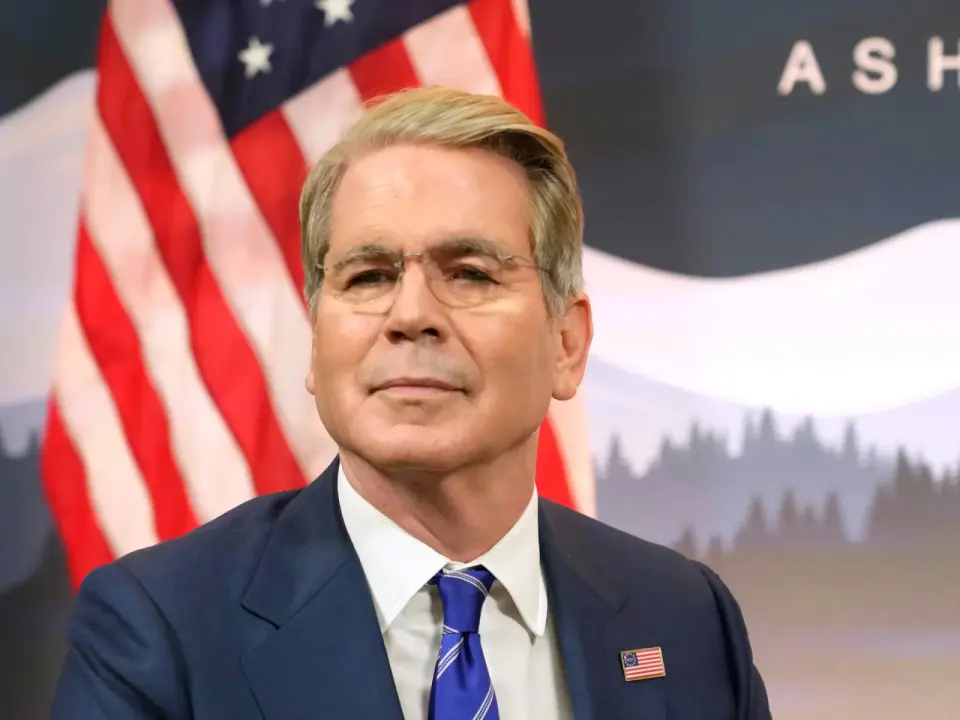
US Treasury Secretary Scott Bessent announced plans to sanction another bank this week, intensifying Washington’s campaign to economically isolate Iran. The move, dubbed 'Operation Economic Outcast,' follows recent actions against Banque Misr’s UAE operations and precedes a G20 finance meeting in Asheville. While the administration signals potential pressure on China for its trade with Tehran, it has largely avoided direct sanctions on major trading partners. Hostilities resumed on Sunday, with Iran launching missiles at US bases in Jordan after a US strike on Larak Island.
Key points
- Treasury Secretary Scott Bessent confirmed new bank sanctions are imminent but declined to name the specific institution.
- The administration is shifting from military strikes to economic pressure, aiming to cut off Iran’s access to the dollar-based financial system.
- Bessent stated that 'all options are on the table' regarding potential sanctions on China for its continued oil purchases from Iran.
- Recent actions included a proposed rule to cut off Banque Misr’s UAE branches, which handled approximately $1.8 billion for Iran-linked entities.
- Violence resumed on Sunday, with Iran attacking US bases in Jordan following a US strike on Larak Island, marking the first major exchange since late July.
Background
This escalation follows a six-month period of shifting US strategy, moving from military dominance to a hybrid approach of diplomacy and economic coercion. Previous efforts, including a collapsed June memorandum of understanding, have stalled, leading Washington to pursue 'Operation Economic Outcast' to sever Iran’s global economic ties. Earlier sanctions targeted Bank Melli Dubai and other entities, but the administration has been cautious about penalizing major trading partners like China and India to avoid broader geopolitical fallout.
How outlets are covering it
Al Jazeera and AP News emphasize the aggressive tone of Treasury Secretary Bessent, who described the measures as 'financial violence' and warned of further weekly sanctions. CNBC highlights the strategic caution of the Trump administration, noting that while Bessent threatened China, the US has mostly relied on warnings rather than direct sanctions against major trading partners. All sources agree on the immediate resumption of hostilities, but differ in emphasis: Al Jazeera focuses on the deadlocked truce talks, while CNBC stresses the shift from military to economic pressure and the uncertainty surrounding China’s role.
Why it matters
The expansion of sanctions signals a deepening US commitment to economic isolation as a primary tool against Iran, potentially affecting global energy markets and trade routes. The threat to sanction China for its oil purchases could reshape US-China relations and impact global supply chains. Simultaneously, the resumption of military strikes indicates that economic pressure has not yet prevented conflict, raising concerns about a broader regional war.
What to watch
Watch for the specific bank targeted by the new sanctions this week. Monitor the G20 finance meeting in Asheville for any concrete agreements on coordinating pressure against Iran. Observe whether the US follows through on threats to sanction China or continues to rely on diplomatic warnings. Track any further military exchanges between the US and Iran, particularly regarding the Strait of Hormuz and nuclear facilities.
- US plans to sanction another bank to keep economic pressure on Iran Al Jazeera
- US plans to sanction another bank in effort to clamp down on Iran transactions, Bessent tells AP AP News
- U.S. plans to sanction another bank in effort to clamp down on Iran transactions: Bessent CNBC
- Banque Misr, Egypt’s second-largest bank, hit by US sanctions: What to know Al Jazeera
- Opinion | Trump’s New Iran Sanctions Put China on Notice WSJ
Want the full story? Read the original reporting
Read on Al Jazeera