
U.S. Bans Imports from Chinese Genomics Firm BGI Over Xinjiang Allegations
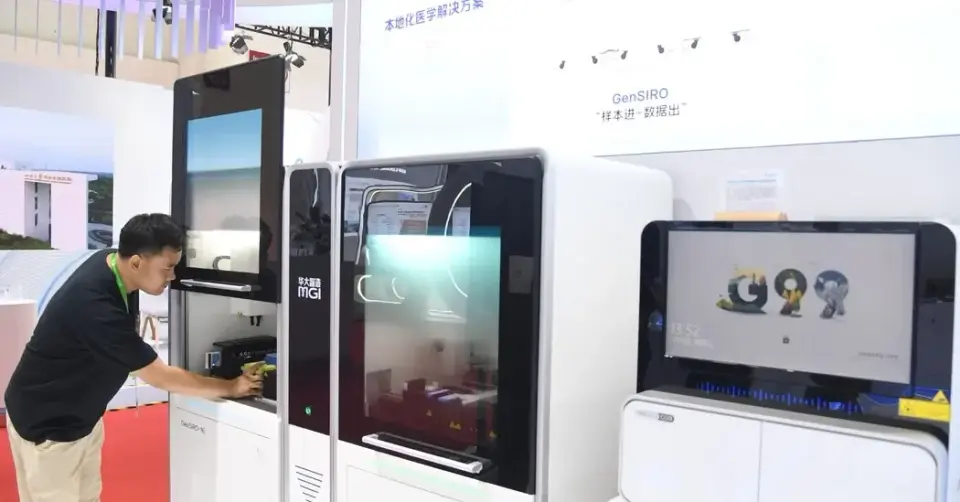
The U.S. Department of Homeland Security added BGI Group and two affiliates to the Uyghur Forced Labor Prevention Act entity list, banning their goods from U.S. import. Officials cited the companies' role in genetic testing of minorities in Xinjiang as a form of forced labor facilitation, marking a significant escalation in years-long sanctions against the Chinese genomics giant.
Key points
- The U.S. Department of Homeland Security (DHS) added BGI Group, BGI Genomics, and MGI Tech to the Uyghur Forced Labor Prevention Act (UFLPA) Entity List on Wednesday, effectively banning their products from entering the United States.
- DHS stated it had 'reasonable cause to believe' the three firms conduct or facilitate genetic testing in Xinjiang alongside local authorities, using such data to recruit, transport, or harbor forced laborers from Uyghur, Kazakh, Kyrgyz, and other persecuted groups.
- This action is part of a multi-year campaign by U.S. officials, including both Democrats and Republicans, to restrict BGI due to its ties to Beijing and access to genetic data, which are viewed as national security threats.
- BGI Group did not respond to requests for comment, though it previously stated its work was for 'civilian and scientific purposes only' and dismissed national security concerns as 'unfounded.'
- The U.S. Bureau of Industry and Security had previously blacklisted BGI subsidiaries, including Forensic Genomics, in 2023 for supplying DNA testing materials to China's Ministry of Public Security, which is involved in surveillance in Xinjiang.
Background
This move follows a broader trend of U.S. restrictions on Chinese technology and biotech firms. In September 2026, the U.K. warned universities to cut ties with a Chinese front company for espionage, and in October 2026, the U.S. labeled Alibaba a Chinese military company. These actions reflect growing scrutiny of Chinese entities with dual-use potential or ties to state security apparatuses.
How outlets are covering it
The New York Times emphasizes the bipartisan nature of the sanctions and the long-standing suspicion of BGI's ties to Beijing and its access to genetic data. Kharon provides a more detailed breakdown of the UFLPA listing, noting that the U.S. did not allege the use of Xinjiang-origin raw materials but rather the collection of genetic information as a form of forced labor facilitation. Kharon also highlights BGI's connections to China's military-industrial complex, including partnerships with the People's Liberation Army and military supercomputers, which the New York Times did not explicitly detail in its brief report.
Why it matters
The U.S. action against BGI Group signals a continued and escalating effort to restrict Chinese influence in the genomics sector, citing national security and human rights concerns. This could impact global genetic testing services and research collaborations involving BGI, while also reinforcing the U.S. stance on forced labor and human rights abuses in Xinjiang.
What to watch
BGI Group and its affiliates may face further restrictions or sanctions from other countries. The U.S. may continue to target other Chinese firms with ties to state security or human rights abuses. BGI may seek to challenge the UFLPA listing or adjust its operations to comply with U.S. regulations.
- U.S. Restricts Trade With Chinese Genomics Company The New York Times
- US bans imports from BGI Genomics, MGI Tech, citing ties to forced labor in Xinjiang Reuters
- US bans imports from 3 Chinese biotech companies over forced labor allegations Yahoo
- US Bans Chinese Genomics Companies BGI, MGI, Citing Forced Labor Bloomberg
- U.S. Blacklists Chinese Genomics Giant BGI Group for Alleged Role in Gene-Testing Xinjiang Minorities Kharon
Want the full story? Read the original reporting
Read on The New York Times