
HHS Bypasses FDA to Allow Compounding of Six Unproven Peptides
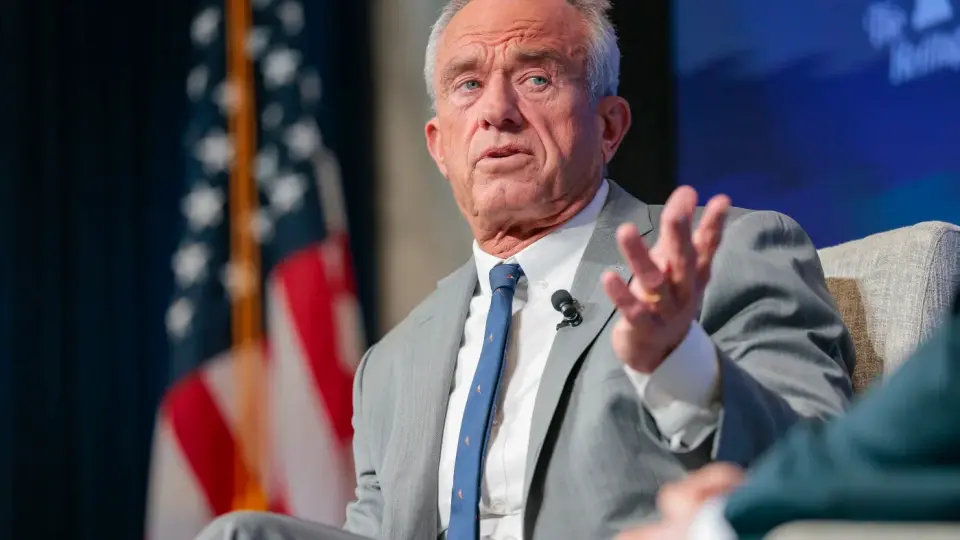
The Department of Health and Human Services (HHS) issued an 'enforcement discretion' policy allowing small compounding pharmacies to produce six unapproved peptides, bypassing standard FDA safety reviews. While HHS argues this shifts consumers away from dangerous gray-market imports, FDA scientists and public health advocates warn the move exposes the public to untested substances and undermines regulatory standards.
Key points
- HHS Secretary Robert F. Kennedy Jr. issued a temporary 'enforcement discretion' notice, allowing small 503A compounding pharmacies to produce six specific peptides without facing legal action.
- The six peptides are BPC-157, epitalon, KPV, MOTS-c, semax, and TB-500, which are promoted for uses ranging from wound healing to insomnia but lack FDA approval or robust clinical data.
- The policy does not change the legal status of the peptides but creates a path for small pharmacies to compound them, while larger 503B outsourcing facilities remain restricted.
- HHS argues this move reduces reliance on illicit 'research-use-only' peptides sold online from overseas suppliers, offering a more regulated alternative with mandatory side-effect reporting and purity verification.
- FDA scientific staff opposed the decision, stating there is insufficient data to prove the peptides are safe or effective, and warned that the move undermines the agency's mission to keep unproven products off the market.
- Critics, including Public Citizen and the Partnership for Safe Medicines, argue Kennedy acted unilaterally, bypassing standard rulemaking and FDA oversight, potentially exposing patients to contamination and adverse effects.
Background
In July 2026, an FDA advisory panel voted to support expanded access to these peptides through compounding pharmacies, despite recommendations from FDA scientists against unwinding restrictions. The peptides had previously been available on a gray market, often labeled 'for research use only' to skirt FDA regulations. HHS had initially planned a formal rule change but shifted to enforcement discretion after FDA staff raised safety concerns.
How outlets are covering it
NPR emphasizes the practical constraints on small pharmacies, noting that limited production capacity may prevent them from meeting consumer demand. NBC News highlights the procedural shortcut, noting that HHS is using enforcement discretion while a formal rule change is pending, and points out the conflict of interest among FDA advisory panel members. CNN focuses on the internal opposition within the FDA, citing anonymous sources who stated that FDA scientific staffers had little input and opposed the changes, and notes the timing of the decision ahead of midterm elections. All sources agree that the peptides lack FDA approval and that the move is controversial, but they differ in emphasis: NPR on supply, NBC on process, and CNN on institutional conflict.
Why it matters
This policy represents a significant shift in U.S. health regulation, with HHS taking a lead role in compounding decisions typically reserved for the FDA. It could reshape the market for wellness peptides, potentially increasing access but also raising public health risks due to the lack of safety data. The move may influence future regulatory approaches to unproven health products and could have implications for the broader 'Make America Healthy Again' movement.
What to watch
HHS will accept public comments on the policy for two weeks. Compounding pharmacies will need to verify ingredient purity and set up facilities to produce the peptides, which may take time. The FDA may continue to work on a formal rule change to add the peptides to the bulk drug list, though this process could take several months. Consumer advocacy groups may file petitions or lawsuits challenging the policy, and state pharmacy boards may need to clarify how the federal policy intersects with state regulations.
- Trump administration will allow pharmacies to make popular peptides NPR
- RFK Jr. takes shortcut to make some unapproved peptides available for use NBC News
- US Health Secretary Kennedy opens access to some unapproved peptides Reuters
- RFK Jr. to Allow Broad Use of Unapproved Peptide Injections The New York Times
- RFK Jr. acts to ease access to unproven peptides despite opposition from FDA scientists CNN
Want the full story? Read the original reporting
Read on NPR