
IMF Warns Global Resilience Masks Fiscal and AI Risks
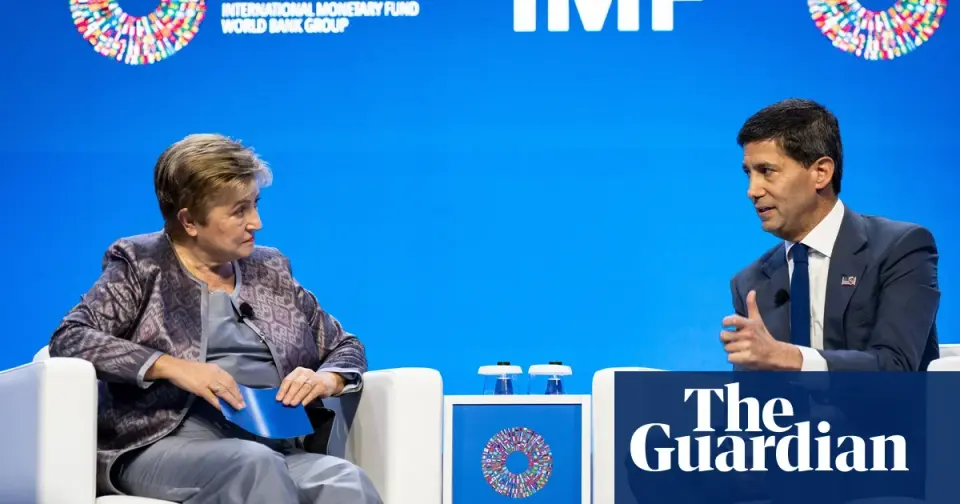
The International Monetary Fund (IMF) convened policymakers in Bangkok for its annual meeting, highlighting that the global economy has shown unexpected resilience despite geopolitical conflicts and high oil prices. However, the IMF cautioned that this stability is fragile, driven by unsustainable energy subsidies and an AI investment boom. The organization warned that advanced economies face record budget deficits and rising debt, while the AI sector’s heavy leverage could trigger a market crash if productivity fails to match expectations.
Key points
- The IMF’s World Economic Outlook report titled 'Resilience under strain, urgent choices' notes that global growth has held up despite the Iran conflict and supply chain shocks, largely due to AI investment.
- Energy support measures to mitigate high oil prices have cost 0.5% of global GDP, a burden many governments cannot sustain long-term.
- Advanced economies are projected to have the highest budget deficits since the pandemic, with government debt expected to rise from 108% to 115% of GDP within five years.
- The IMF warned that the AI boom is financed by high levels of debt and leverage, creating a risk of a sharp market correction if expectations outpace actual productivity gains.
- South Korea’s Kospi index fell 14.5% in a single week, its largest drop since 2008, reflecting investor anxiety over AI company profitability and borrowing.
Background
This meeting follows a period of significant geopolitical tension, including the ongoing conflict in Iran and continued support for Ukraine. Previous economic stressors, such as the 2024 asset seizures in Russia and the 2026 housing market freeze due to high mortgage rates, have already strained global financial systems. The current focus on AI and fiscal deficits represents a shift from pandemic-era recovery to managing new structural risks.
How outlets are covering it
The Guardian provides a comprehensive overview of the IMF’s stance, emphasizing the tension between short-term resilience and long-term fiscal unsustainability. It highlights the absence of US Treasury Secretary Scott Bessent from the G20 meeting, which UK Chancellor John Healey chaired, as a sign of weakening multilateral cooperation. The Register, while primarily focused on cybersecurity and AI technology, reinforces the IMF’s warning about the AI bubble, noting the potential for a market crash if AI companies fail to deliver on promised returns. Both sources agree on the fragility of the current economic stability but differ in focus: The Guardian emphasizes macroeconomic policy and geopolitical dynamics, while The Register centers on the technological and financial risks of the AI sector.
Why it matters
The IMF’s warnings suggest that the current economic stability is temporary and dependent on unsustainable subsidies and speculative AI investments. If the AI bubble bursts or energy subsidies are withdrawn, global markets could face a severe downturn. Additionally, rising government debt in advanced economies limits fiscal flexibility for future crises, potentially exacerbating social and economic instability.
What to watch
Governments are expected to phase out energy subsidies, exposing consumers to higher costs. The IMF will likely continue urging fiscal discipline, particularly in the US and UK. Investors may face further volatility in AI-related stocks as questions about profitability and debt levels intensify. The UK, taking over the G20 presidency next year, will face challenges in reinvigorating multilateral cooperation amid current geopolitical divisions.
- ‘Countries are defying gravity’: how much longer can global economy resist chaos? The Guardian
- AI Boom Shields Select Few Nations as Economic Pain Sweeps Globe WSJ
- AI bubble could burst and take global economy with it, IMF warns The Register
- Business The Economist
- IMF-World Bank meetings focus on global risks and potential benefits of AI AP News
Want the full story? Read the original reporting
Read on The Guardian