
Japan’s Unfunded Industrial Gamble Risks Fiscal Crisis
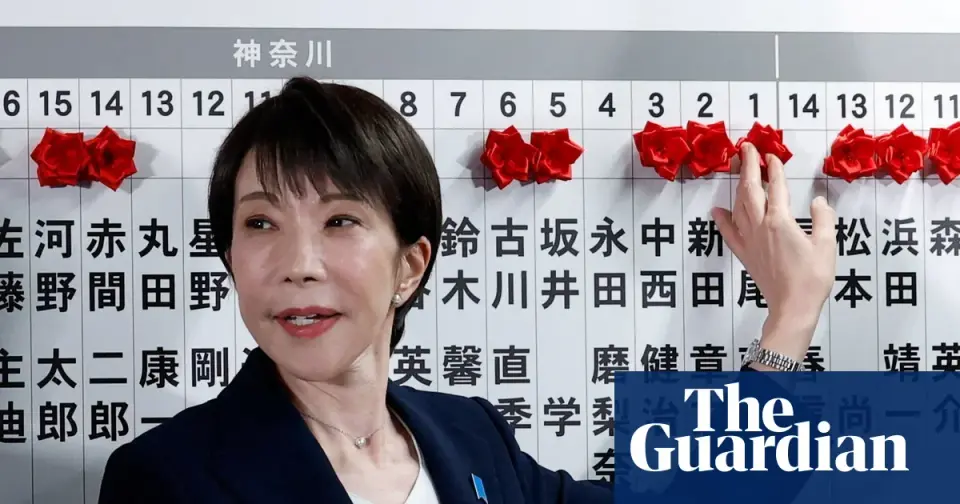
Japanese Prime Minister Sanae Takaichi has launched a massive, unfunded industrial investment plan, triggering market fears of a fiscal crisis similar to the UK’s 2022 shock. The initiative, dubbed 'Strong and Rich Japan,' aims to inject 370 trillion yen into 17 sectors by 2040 to double growth rates. However, the lack of a clear financing strategy has spooked investors, driving Japanese government bond yields to 29-year highs and pushing the yen to a four-decade low against the dollar. While the government argues that higher productivity will offset debt burdens, analysts warn that rising interest rates and a weak currency could trigger a debt spiral, especially given Japan’s existing debt-to-GDP ratio exceeds 200%.
Key points
- The 'Strong and Rich Japan' plan targets 17 sectors, including AI, semiconductors, and defense, with a goal of achieving 1% real growth and 3% nominal GDP growth by 2040.
- Investors are alarmed by the absence of a financing mechanism for the 370 trillion yen ($2.3 trillion) spending spree, leading to a sell-off in Japanese equities and bonds.
- The yen has fallen to 163 per US dollar, its lowest level in 40 years, exacerbating inflation concerns due to higher import costs for energy and raw materials.
- The Bank of Japan has raised interest rates to a 31-year high of 1%, but policymakers face a dilemma: further hikes increase debt servicing costs, while maintaining low rates weakens the currency.
- The government is exploring ways to channel domestic savings, such as directing pension funds and household deposits, into government bonds to support fiscal stability.
Background
Japan’s current fiscal crisis follows decades of stagnation and high debt accumulation. Since the 1991 property bubble burst, Japan’s debt-to-GDP ratio has risen from 60% to over 260% by 2020, before easing slightly to 230% in 2025. The country has historically relied on low interest rates and central bank interventions to manage its fiscal challenges. Takaichi’s plan marks a sharp departure from previous low-key policy blueprints, resembling China’s industrial strategies, but faces unique challenges due to Japan’s aging population and existing debt burden.
How outlets are covering it
The Guardian and Financial Times both highlight the risk of a 'Liz Truss-style' shock, emphasizing the lack of a financing plan as a critical flaw. The Guardian notes that Takaichi’s approach is seen as reckless by many in her own party, while the Financial Times argues that Japan’s debt is less concerning on a net basis due to domestic ownership but warns of potential contagion effects on global bond markets. Yahoo Finance Australia focuses on the potential for increased yen volatility and the challenges of financing the plan through domestic savings. IndraStra Global provides a broader geopolitical context, noting the impact of rising oil prices and geopolitical tensions on Japan’s economic outlook. The sources agree on the scale of the spending and the market’s skepticism but differ on the likelihood of a crisis, with some emphasizing Japan’s domestic financial buffers and others focusing on the risks of rising interest rates and a weak yen.
Why it matters
Japan’s fiscal gamble has global implications, as rising bond yields in Japan could trigger a sell-off in other sovereign bonds, potentially leading to a global debt crisis. The weakening yen also affects global trade and inflation, as Japan is a major importer of energy and raw materials. The outcome of Takaichi’s plan will determine whether Japan can successfully transition to a higher-growth model or face a fiscal crisis that could destabilize global financial markets.
What to watch
The government is expected to announce specific financing mechanisms for the 370 trillion yen plan in the coming months. The Bank of Japan may adjust its monetary policy in response to rising bond yields and yen depreciation. Investors will closely watch the government’s efforts to channel domestic savings into government bonds and the impact of rising interest rates on fiscal sustainability. The outcome of the plan will depend on Japan’s ability to achieve higher productivity growth and manage its debt burden without triggering a fiscal crisis.
- Can Japan avoid a Liz Truss-style shock as its PM embarks on a giant spending spree? The Guardian
- The sting in the tail of Japan’s lost decades Financial Times
- Breakingviews - Japan’s growth pitch is all hype and no substance Reuters
- Japan’s ‘Strong and Rich’ strategy could drive bigger yen swings Yahoo Finance Australia
- Japan's Economic Reckoning: Debt, Geopolitics, and the Limits of Monetary Power IndraStra Global
Want the full story? Read the original reporting
Read on The Guardian