
Lagarde to End ECB Presidency Early in February 2027
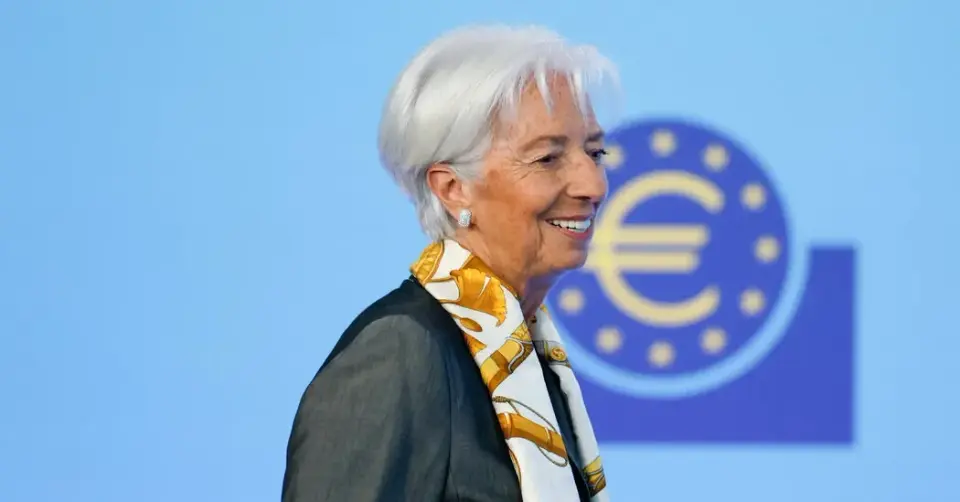
Christine Lagarde will resign as European Central Bank president on February 7, 2027, ending her term early. The move resolves months of speculation and accelerates the search for a successor amid European political uncertainty.
Key points
- Lagarde announced her departure on Thursday, cutting short a turbulent eight-year term that included the pandemic and energy crises.
- Her exit is scheduled for February 7, 2027, well before her term was set to end in October 2027.
- The early departure resolves internal uncertainty and triggers an immediate search for a new central bank leader.
- Analysts speculated she might leave while Emmanuel Macron remains in office, ahead of a potentially far-right French presidential election.
Background
Recent months saw growing speculation about Lagarde’s future, including potential roles in French politics or the World Economic Forum. ECB staff formally requested clarity on her departure in September, warning that uncertainty could undermine institutional trust. This follows the early exit of board member Isabel Schnabel, which accelerated discussions on leadership succession and removed a key hawkish voice during a period of volatile inflation and energy prices.
Why it matters
The early departure of the ECB president during a politically sensitive period in Europe could impact monetary policy stability and institutional trust. It accelerates the transition process and may influence how the central bank navigates ongoing economic challenges, including inflation and energy shocks, before a new leader takes over.
What to watch
The search for a successor to Lagarde will begin immediately. European political leaders will be involved in the selection process, with the transition occurring before the French presidential election next spring.
Want the full story? Read the original reporting
Read on The New York Times