
US 30-year bond yields rebound to 5.27% after Treasury intervention fails to hold
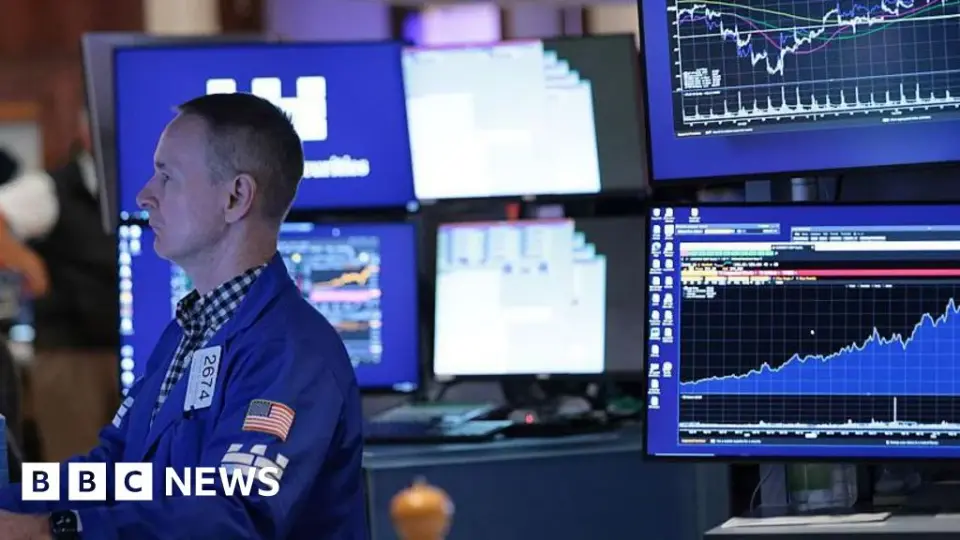
US long-term borrowing costs have reversed a brief decline, with 30-year bond yields rising back to 5.27% after Treasury Secretary Scott Bessent announced debt buybacks. Economists describe the move as a short-lived signaling tactic that failed to address underlying concerns over the $40 trillion national debt, rising oil prices, and AI-driven corporate borrowing.
Key points
- 30-year US bond yields rose to 5.27% on Friday, erasing gains from a drop to 5.18% earlier in the week.
- Treasury Secretary Scott Bessent announced debt buybacks to lower rates, but analysts call the effect temporary.
- US national debt surpassed $40 trillion in August, doubling from $20 trillion in 2016.
- Rising yields are driven by inflation fears, higher oil prices from the US-Iran conflict, and massive corporate borrowing for AI.
- The US dollar weakened in response to bond market volatility, while gold prices climbed to a three-month high.
Background
This follows a period of rising borrowing costs since early 2026, where 10-year yields exceeded 4.7% and mortgage rates approached 6.6%. The recent $40 trillion debt milestone, reported in August, marked a historic doubling of the national debt over a decade, driven by persistent deficits and high interest payments.
How outlets are covering it
BBC and Yahoo Finance emphasize that the Treasury's intervention was a 'signaling mechanism' that proved ineffective in the long term, with yields quickly reversing their drop. NBC News frames the issue as a broader consumer concern, noting how the $40 trillion debt load impacts everyday costs. While BBC highlights Bessent's blame of the previous administration, Yahoo focuses on the market's rejection of the policy due to 'daunting' global borrowing levels and oil price spikes.
Why it matters
The failure of the Treasury's intervention signals that structural issues, such as the $40 trillion debt and inflationary pressures from energy and AI sectors, remain unresolved. This volatility affects global financial stability, weakens the US dollar, and increases borrowing costs for mortgages and corporate investments, potentially slowing economic growth.
What to watch
Investors will watch for further Treasury actions or Federal Reserve policy shifts. If yields remain elevated, the US dollar may continue to weaken, and gold prices could rise further as a safe-haven asset. The government may need to address the $1.2 trillion annual debt service costs to prevent further market instability.
- US borrowing costs rise as attempts to ease rates prove short-lived BBC
- Opinion | America Is About to Get More Expensive The New York Times
- Bond yields head higher again, giving back almost all gains since Treasury Department intervention Yahoo Finance
- What are bonds, and why is everyone talking about them now? NBC News
- Bessent reacts to bond market global concerns Yahoo
Want the full story? Read the original reporting
Read on BBC