
US Severs Banque Misr UAE from Dollar System in Iran Sanctions Push
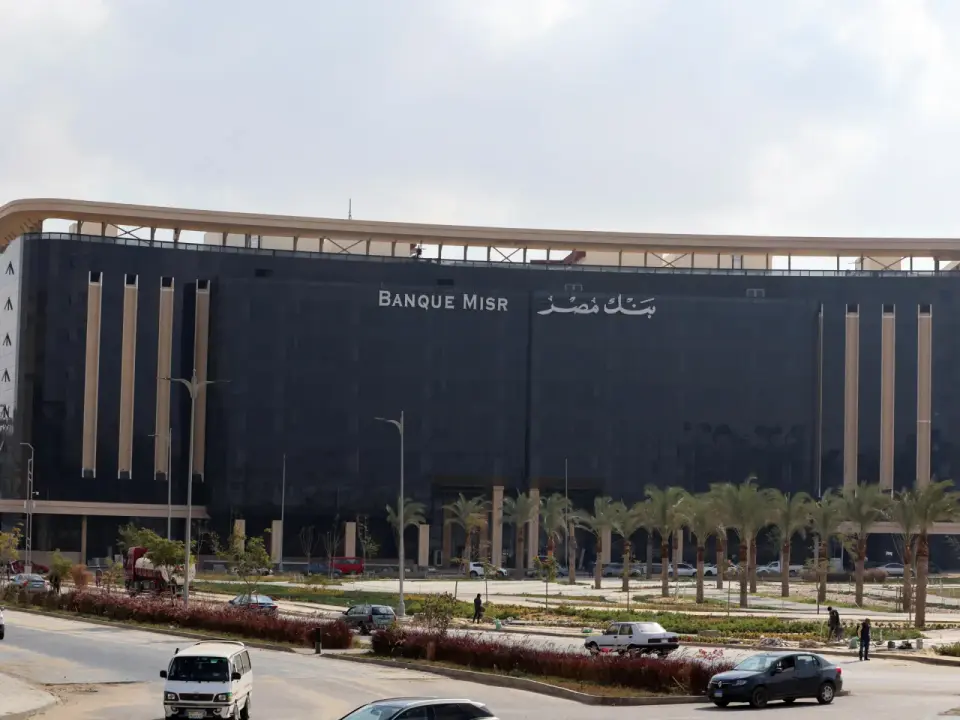
The US Treasury has proposed cutting off Banque Misr’s UAE branches from the US financial system, accusing the bank of facilitating $1.8 billion in transactions for Iranian shadow banking networks. This move, part of 'Operation Economic Outcast,' aims to isolate Iran economically after military operations failed to yield quick results. The UAE central bank has launched an urgent investigation into the bank's local operations, while Egypt’s central bank confirmed the measure affects only UAE branches and not the bank’s operations in Egypt. Iran has rejected the sanctions, claiming resilience against economic pressure.
Key points
- The US Treasury’s FinCEN proposed revoking Banque Misr UAE’s correspondent banking access to US financial institutions, effective after a 30-day comment period.
- The Treasury estimated that between January 2024 and June 2026, the bank processed approximately $1.8 billion for 103 companies linked to Iranian shadow banking networks.
- The UAE central bank announced a 'special and urgent examination' of Banque Misr’s branches in the country to ensure compliance with international regulations.
- Egypt’s Central Bank stated that the measure is limited to USD transactions with correspondent banks and does not impact Banque Misr’s operations in Egypt or other overseas branches.
- The action is part of 'Operation Economic Outcast,' a broader campaign to isolate Iran economically, following the failure of military operations to achieve quick political objectives.
Background
This development follows the US announcement of 'Operation Economic Outcast' on August 24, 2026, which targeted nearly 60 entities across the Middle East, Asia, and Europe. The campaign marks a shift from military pressure to economic isolation, as the US seeks to choke Iran’s access to hard currency through foreign financial channels, particularly in Dubai, Istanbul, and Baghdad. Previous coverage highlighted that the US is targeting foreign banks that enable Iran’s shadow banking networks, signaling a strategic pivot to financial warfare after six months of conflict with no decisive military victory.
How outlets are covering it
Al Jazeera and The New York Times emphasize the specific financial mechanisms, noting that the measure targets only the UAE branches of Banque Misr and does not freeze assets or affect operations in Egypt. The New York Times highlights the UAE’s role as a hub for trade with Iran and the central bank’s urgent response. AP News frames the action as part of a broader strategy to force Iran’s economic isolation, while Politico notes that this is the first public action under Treasury Secretary Scott Bessent’s new campaign. Iranian officials, including Economy Minister Ali Madanizadeh and IRGC spokesperson Sardar Mohebi, have rejected the sanctions, arguing that Iran is accustomed to circumventing such measures and that the US is resorting to economic warfare due to battlefield failures. Analysts like Negar Mortazavi suggest the sanctions are unlikely to compel Iran to meet US demands, given the country’s resilience and existing sanctions evasion tactics.
Why it matters
The move signals a significant escalation in US economic pressure on Iran, targeting foreign financial infrastructure rather than just Iranian entities. It could disrupt global energy markets and rattle the global economy if Iran’s oil revenues are further constrained. The UAE’s investigation into Banque Misr highlights the reputational risks for financial hubs facilitating Iran-linked transactions. For Egypt, the measure is limited to UAE branches, but it raises questions about the broader impact on its banking sector and international relations. The success of 'Operation Economic Outcast' will determine whether economic pressure can achieve what military operations could not, potentially influencing the trajectory of the US-Iran conflict and global financial stability.
What to watch
The proposed rule is expected to take effect 30 days after the public comment period, barring Banque Misr UAE from US financial institutions. The UAE central bank’s investigation will determine if further local actions are taken against the bank. The US may expand sanctions to other foreign banks and entities facilitating Iran’s shadow banking networks. Iran’s response, including potential countermeasures or diplomatic efforts, will shape the next phase of the conflict. Analysts will monitor whether the sanctions lead to a significant drop in Iran’s oil revenues or if the country successfully circumvents the measures through alternative channels.
- Banque Misr, Egypt’s second-largest, hit by US sanctions: What to know Al Jazeera
- U.A.E. to Review Egyptian Bank as Part of U.S. Sanctions on Iran The New York Times
- A Core Egyptian Bank Gets Caught Up in Treasury’s Iran Crackdown WSJ
- US targets Egyptian bank’s UAE branches under new push for Iran’s economic isolation AP News
- Bessent targets banks in UAE over Iran ties Politico
Want the full story? Read the original reporting
Read on Al Jazeera