
Democratic Midterm Sweep Triggers Global Tech Sell-Off and Heightens Asia-Pacific Policy Uncertainty
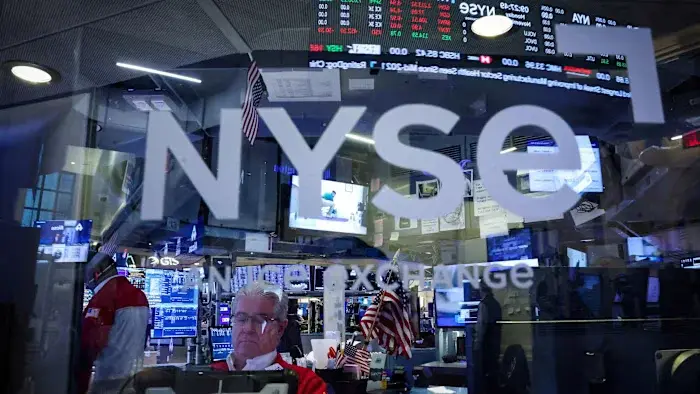
A projected Democratic sweep of both the House and Senate in the 2026 US midterms triggered a sharp sell-off in Asian technology stocks, driven by fears of increased scrutiny on AI data center spending. While the shift may constrain President Trump’s domestic agenda, analysts suggest it will not significantly alter trade tariffs or the ongoing US-Israel war on Iran. Conversely, bipartisan support for stricter chip export controls to China is expected to intensify, potentially disrupting recent diplomatic warming between Washington and Beijing.
Key points
- Asian markets tumbled on Wednesday, with Japan’s Nikkei 225 dropping 3.6% and South Korea’s KOSPI falling 2.9%, as investors feared Democratic oversight would slow AI infrastructure investment.
- The S&P 500 futures fell 1.1% in after-hours trading, reflecting concerns that a divided government could lead to budget gridlock and higher borrowing costs.
- Semiconductor stocks were hit hardest, with SoftBank Group plunging over 8% and Samsung Electronics dropping 3.5%, as the AI hardware boom faced potential regulatory headwinds.
- Analysts from Al Jazeera and APAC Advisors argue that a Democratic Congress is unlikely to end the Iran war or reverse US tariffs, as these powers remain largely with the executive branch.
- Bipartisan support for legislation like the Chip Security Act and Remote Access Security Act suggests tighter controls on advanced AI chip exports to China, regardless of the midterm outcome.
Background
This election occurs amid a fragile global economic environment, including volatile oil prices from the Middle East conflict and elevated US Treasury yields. Previous archive data indicates that Asian markets had outperformed US and European counterparts earlier in the year, driven largely by AI hardware demand, making the current correction particularly significant for regional economies reliant on US tech investment.
How outlets are covering it
The New York Times emphasizes the immediate market volatility, highlighting the sell-off in Asian tech stocks and the potential for political gridlock to exacerbate debt-ceiling risks. It notes that while Trump claimed willingness to accept results, markets interpreted the Democratic sweep as a precursor to increased oversight and potential impeachment proceedings. In contrast, Al Jazeera focuses on the limited impact of the midterms on foreign policy, arguing that tariffs and the Iran war will continue regardless of congressional control. However, both outlets agree that the shift will likely result in stricter bipartisan restrictions on China’s access to advanced technology, potentially undermining Trump’s recent diplomatic overtures to Beijing.
Why it matters
The outcome signals a potential shift in US policy toward greater regulatory scrutiny of AI infrastructure and stricter export controls on China, which could disrupt global supply chains and investment flows. For Asia-Pacific nations, the stability of US trade and security commitments remains uncertain, with the risk that a constrained Trump administration may pivot toward more erratic foreign policy actions to compensate for domestic losses.
What to watch
Investors will monitor the passage of bipartisan chip control legislation and any immediate reactions from the White House regarding the Iran conflict. The coming weeks will reveal whether the Democratic Congress can effectively check executive power on trade and defense, or if gridlock leads to further market instability and budget disputes.
- Global stocks slide as Democratic wins stoke fears for AI boom Financial Times
- How the Stock Market Is Reacting to the Midterm Elections The New York Times
- Democrats’ Win Rattles Trump Trades From AI Stocks to Crypto Bloomberg.com
- War, tariffs and China: What the US midterms mean for the Asia-Pacific Al Jazeera
- South Korea's Benchmark Index Already Down on Early Dem Midterm Lead Barron's
Want the full story? Read the original reporting
Read on Financial Times