
ECB Hikes Rates to 2.5% Amid Middle East Energy Shock; Gold Dips Modestly
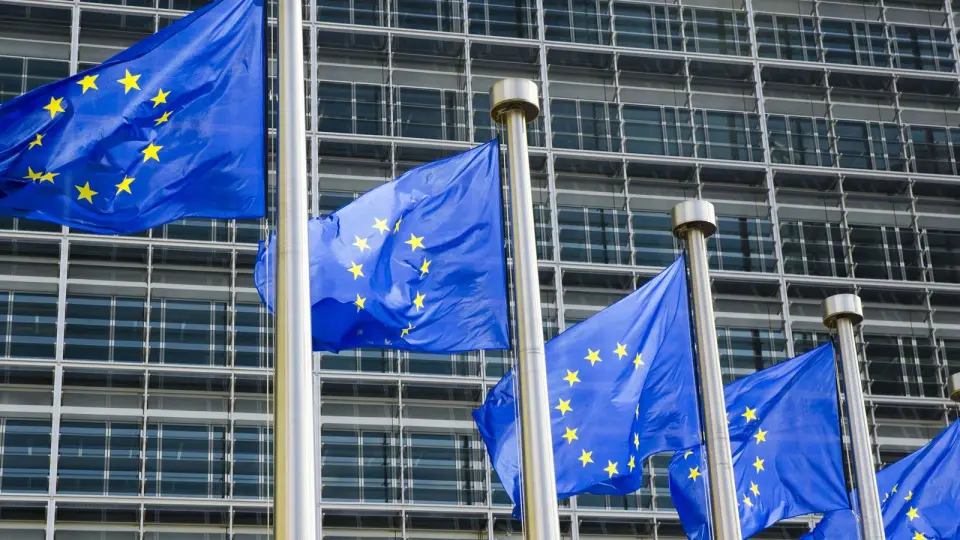
The European Central Bank (ECB) raised its key interest rates by 25 basis points on September 10, 2026, lifting the deposit facility rate to 2.50%. This move, the second since the U.S.-Iran conflict began in February, aims to combat inflation driven by energy price spikes. Despite the hawkish signal, gold prices experienced only a minor decline, trading at $4,367 per ounce, as markets absorbed the news with limited selling pressure.
Key points
- The ECB Governing Council increased the deposit facility rate to 2.50%, main refinancing operations to 2.65%, and marginal lending facility to 2.90%, effective September 16.
- Eurozone headline inflation reached 3.3% in August, with energy inflation surging to 14.3% due to the Middle East conflict and oil prices exceeding $100 per barrel.
- Spot gold fell 0.77% to $4,367 per ounce, but analysts noted the selling pressure was limited and in line with broader market trends.
- The ECB projects headline inflation to average 3.0% in 2026 and 2.5% in 2027, while economic growth is expected at 0.9% in 2026 and 1.4% in 2027.
- Markets had priced in a 100% probability of the rate hike, and the ECB emphasized a 'meeting-by-meeting' approach without pre-committing to a specific rate path.
Background
This rate hike follows the ECB's first increase since 2023 in June 2026, which raised rates to 2.25%. The central bank has been navigating a complex environment where the U.S.-Iran war has disrupted energy supplies through the Strait of Hormuz, causing volatile oil prices and elevated borrowing costs. Previous archive coverage noted that gold had held support near $4,311-$4,328 in early September, with traders watching Federal Reserve hike odds and global bond yields for direction.
How outlets are covering it
Kitco News emphasizes that the gold market is 'shrugging off' the ECB decision, with limited selling pressure despite the hawkish tone. CNBC highlights the uncertainty surrounding the ECB's future path, noting that while the hike was expected, investors are divided on whether the cycle will end at 2.5%, 2.75%, or 3.0%. The New York Times frames the decision as a critical step to quell inflation driven by the Middle East war, noting that Brent crude exceeded $100 and European gas prices doubled. The ECB itself stresses that the outlook remains 'highly uncertain' with risks to both inflation and growth, maintaining a data-dependent stance.
Why it matters
The ECB's decision signals a commitment to price stability despite economic headwinds, potentially influencing global monetary policy expectations. For investors, the limited reaction in gold suggests that the market may be decoupling from traditional rate-hike fears, while the ECB's cautious stance on future hikes could impact eurozone borrowing costs and consumer spending in the coming months.
What to watch
Investors will closely monitor the ECB's press conference for signals on the future rate path, particularly regarding the potential for further hikes or a hold at 2.5%. The Federal Reserve's monetary policy decision next week is also expected to influence global markets, with a 64% chance of a rate hike priced in by the CME FedWatch Tool. Energy prices and inflation data will remain critical factors in determining the ECB's next move.
- Gold price down but weathering ECB's 25 basis point rate hike KITCO
- European Central Bank hikes interest rates to 2.5% as policymakers see risk of higher inflation, weaker growth CNBC
- European Central Bank Raises Rates in Bid to Quell Inflation The New York Times
- The ECB Just Raised Interest Rates. Here’s What to Know. WSJ
- Monetary policy decisions European Central Bank
Want the full story? Read the original reporting
Read on KITCO