
Yen Rebounds to One-Month High as BOJ Hawkishness and Intervention Fears Converge
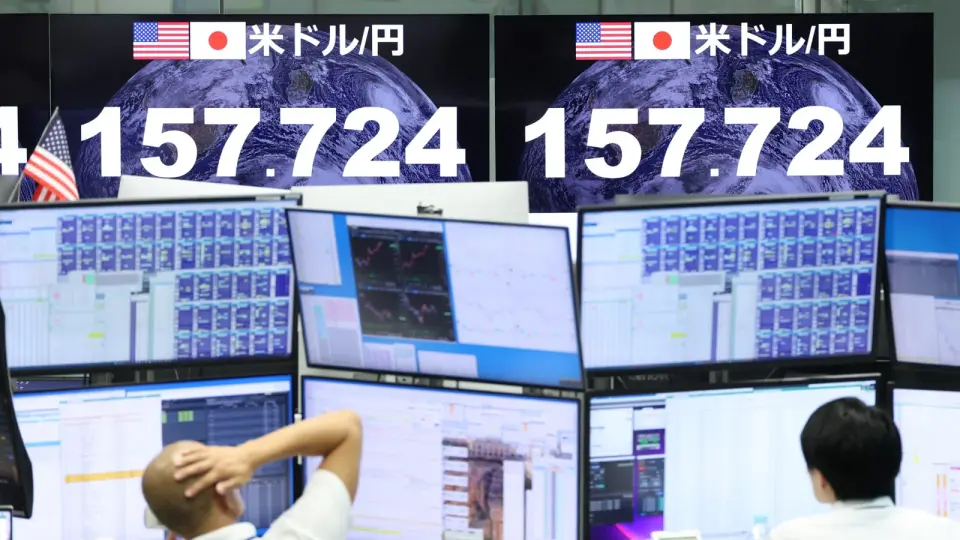
The Japanese yen surged over 1% against the U.S. dollar on Thursday, reaching its strongest level in a month at 156.34 per dollar. This rally was driven by heightened expectations for a Bank of Japan (BOJ) rate hike and speculation regarding potential currency intervention. While some analysts attribute the move to hawkish comments from BOJ policymakers, others suspect quiet government action, particularly after the currency briefly crossed the 160-per-dollar threshold earlier in the week.
Key points
- The yen strengthened significantly, touching 156.15 per dollar, its highest level since August 3.
- The move followed a sharp 1% spike on Wednesday, which fueled speculation about a new round of intervention.
- Japan spent a record 15.4 trillion yen ($98 billion) to support the currency between July 30 and August 26.
- The U.S. participated in a coordinated yen-buying effort in late July, with Treasury Secretary Scott Bessent’s notepad reportedly indicating a $5-10 billion purchase.
- BOJ Governor Kazuo Ueda and board member Hajime Takata signaled a shift toward 'nimble' and potentially faster rate hikes.
- Markets are now pricing a roughly 25% chance of a rate hike at both the September and October BOJ meetings.
Background
This development follows a period of extreme yen weakness, where the currency hit a four-decade low in late July. In August, Japan and the U.S. conducted a rare joint intervention to stabilize the currency, though the yen subsequently lost much of those gains. Analysts have previously noted that while interventions can buy time, sustainable strength requires BOJ normalization and a reduction in the yield gap with the U.S. The current surge represents a renewed attempt to reverse the trend of carry trades that have persisted despite previous interventions.
How outlets are covering it
Outlets diverge on the primary driver of the yen’s strength. CNBC and ING suggest the move is largely a reaction to hawkish BOJ comments and increased rate-hike bets, with ING’s Chris Turner noting a lack of dislocation in FX systems that would indicate active intervention. Conversely, CNBC’s Takuji Okubo and Russell Investments’ Van Luu suggest the Ministry of Finance may have engaged in 'stealth' intervention, particularly given the currency’s proximity to the 160-per-dollar threshold. The Financial Times highlights a broader context, linking the yen’s strength to a potential shift in the Government Pension Investment Fund (GPIF) toward domestic assets and pressure from U.S. officials at the G20 meeting in Asheville. While all sources agree on the currency’s sharp rebound, they differ on whether it is a market-driven response to policy signals or a direct result of government action.
Why it matters
The yen’s stability is critical for global markets, as Japanese investors hold approximately $1.1 trillion in U.S. Treasuries. A sustained yen rebound could trigger a repatriation of capital, impacting U.S. debt markets. Furthermore, the BOJ’s potential shift to faster rate hikes could alter global interest rate dynamics and influence inflation expectations worldwide. The interplay between currency intervention and monetary policy remains a key factor in determining the yen’s long-term trajectory.
What to watch
The next BOJ policy decision is scheduled for September 18. Markets are watching for signs of a rate hike at this meeting, as well as any further intervention by the Ministry of Finance, particularly during the 'Silver Week' holiday period when trading conditions are thin. The outcome of the 30-year bond auction and any shifts in GPIF allocation will also be closely monitored for signs of a sustained yen rebound.
Want the full story? Read the original reporting
Read on CNBC