
Hong Kong Becomes Primary Transit Hub for Sanctioned Russian Gold
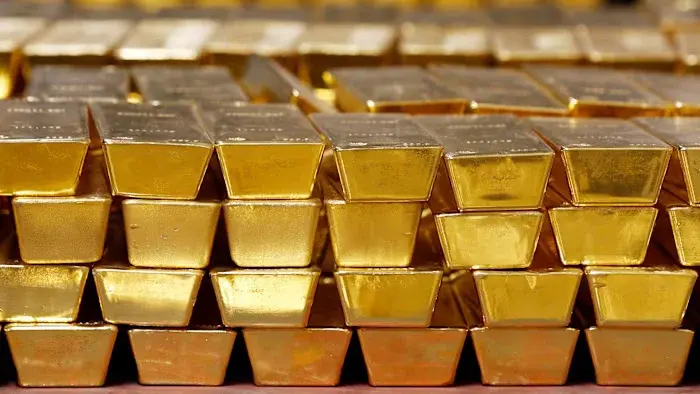
Russian gold imports into Hong Kong reached nearly 100 tonnes in the first seven months of 2026, tripling the 2025 figure. This surge reflects a strategic shift as Moscow redirects exports away from sanctioned Western hubs like London and Dubai toward Asian markets. Most of this bullion eventually flows into mainland China, which lacks import restrictions on Russian gold. While the trade supports Russia’s wartime economy, it complicates compliance for Western banks and raises concerns about sanctions evasion.
Key points
- Hong Kong imported nearly 100 tonnes of Russian gold in the first seven months of 2026, a record high and three times the volume from the same period in 2025.
- Since 2022, Hong Kong entities have purchased approximately HK$276 billion (US$35 billion) worth of Russian bullion, with most shipments ultimately moving to mainland China.
- The shift is driven by Western sanctions on Russian gold and logistical disruptions in Dubai, prompting Moscow to leverage Hong Kong’s free-port status and deep ties with Beijing.
- China’s central bank and retail investors have increased gold reserves, while several global central banks, including France and the Netherlands, are repatriating gold from London and New York.
- Western analysts warn that commingling Russian gold with unsanctioned sources creates compliance risks for international banks, despite Hong Kong’s new anti-money laundering regulations.
Background
Hong Kong has long served as a global gold trading hub, but its role has intensified since 2022 following the US and UK sanctions on Russian bullion after the invasion of Ukraine. The territory’s new gold clearing system, piloted in July 2026, aims to attract central bank reserves. This development occurs amid broader geopolitical tensions, including recent national security crackdowns in Hong Kong that have curtailed dissent but not disrupted financial infrastructure.
How outlets are covering it
The Financial Times and Jordan News emphasize the structural shift in global gold trade, noting that Asian hubs are challenging traditional centers like London and Dubai. Startup Fortune highlights the ineffectiveness of targeted sanctions, arguing that while specific firms have been sanctioned, the broader trade route through Hong Kong remains open. Cryptobriefing focuses on market implications, suggesting the volume may support gold prices, though it notes limited immediate market impact due to source reliability. All sources agree that Hong Kong’s lack of import restrictions and its integration with mainland China’s quota system are key drivers of the surge.
Why it matters
The surge in Russian gold through Hong Kong undermines the efficacy of Western sanctions, allowing Moscow to maintain hard currency inflows. It also complicates compliance for global financial institutions, which face risks of inadvertent exposure to sanctioned entities. For China, the flow strengthens its position as a dominant gold consumer and producer, while for Hong Kong, it reinforces its status as a critical financial hub despite geopolitical pressures.
What to watch
Observers will monitor whether Western governments target the structural aspects of Hong Kong’s gold trade rather than individual firms. Central banks may continue repatriating reserves from Western vaults, potentially increasing demand for Asian hubs. The effectiveness of Hong Kong’s new clearing system in preventing sanctions evasion will be a key metric for future regulatory scrutiny.
- Russian gold floods through Hong Kong in wake of western sanctions Financial Times
- Russia moves nearly 100 tonnes of gold through Hong Kong, bypassing Western sanctions cryptobriefing.com
- How Hong Kong can cash in as reserve managers rethink where to store gold South China Morning Post
- Hong Kong Emerges as Alternative Route for Russian Gold... jordannews.jo
- Hong Kong Quietly Became the World's Top Buyer of Sanctioned Russian Gold Startup Fortune
Want the full story? Read the original reporting
Read on Financial Times