
New federal study on glyphosate pressures EPA to reassess cancer risks
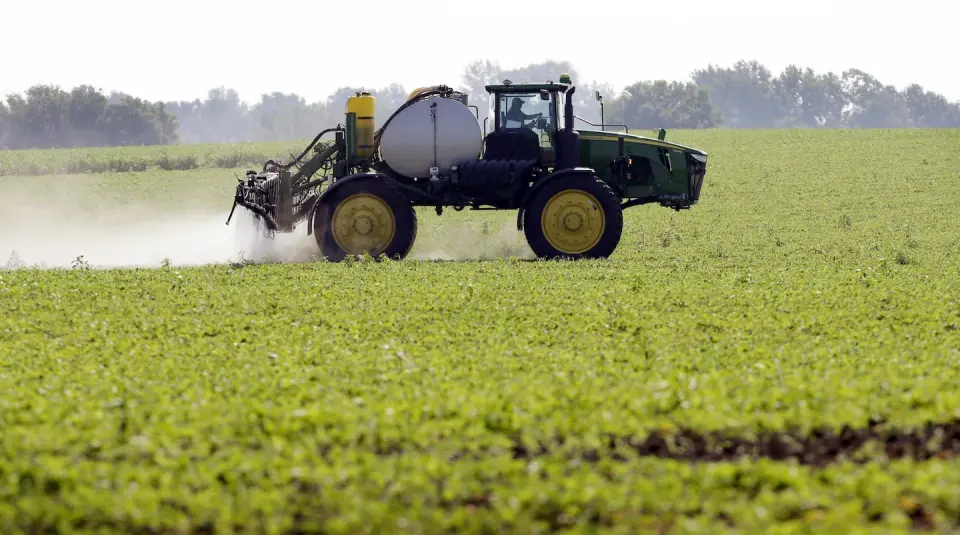
A new scientific review requested by Health Secretary Robert F. Kennedy Jr. and his former adviser Calley Means has been posted publicly, summarizing research linking the herbicide glyphosate to cancer. The document, which has not yet undergone peer review, was released ahead of a Monday deadline for the Environmental Protection Agency (EPA) to consider new health studies. Advocates argue the findings force the EPA to reconsider its current stance on the chemical, which is the active ingredient in Roundup. While the EPA is currently reviewing health research, the new paper aims to accelerate stricter regulation of the controversial weedkiller, a key target of the Make America Healthy Again movement.
Key points
- A scientific paper requested by HHS Secretary Robert F. Kennedy Jr. and former adviser Calley Means was posted on a public research repository on Friday.
- The study summarizes existing research linking glyphosate, the main ingredient in Roundup, to cancer, though it has not yet undergone peer review or journal publication.
- The release coincides with a Monday deadline for the EPA to consider new scientific studies regarding glyphosate health effects.
- Calley Means, who resigned from HHS last month, stated the study 'backs EPA into a corner' regarding its current regulatory position.
- The EPA is currently in the process of reviewing health research on glyphosate, a chemical that remains a top target for Make America Healthy Again activists.
Background
The debate over glyphosate’s safety has been ongoing for years, with significant legal and regulatory battles. In 2019, the EPA refused to approve labels linking glyphosate to cancer, defying California’s Proposition 65 regulations, while Bayer AG faced over 18,000 lawsuits and potential settlements up to $8 billion. Recent studies, including one from the University of Nebraska published in November, found insufficient evidence linking increased glyphosate use to non-Hodgkin’s lymphoma, though some regional data showed mixed results. Health Canada previously concluded that glyphosate is safe when used according to label guidelines. The current controversy is part of a broader pattern of tension between HHS and other agencies, such as the FDA, over safety policies, as seen in recent disputes over unapproved peptides.
How outlets are covering it
The Washington Post and Politico highlight the political pressure on the EPA, noting that the new study is designed to force a stricter regulatory stance on glyphosate. Calley Means, a former HHS adviser, argues the findings 'back EPA into a corner,' emphasizing the urgency of the Monday deadline for the EPA to consider new studies. In contrast, The Western Producer cites a recent University of Nebraska study that found no statistically significant association between glyphosate use and non-Hodgkin’s lymphoma, suggesting that the scientific evidence remains mixed. The Politico Pro article from 2019 provides historical context, showing the EPA’s previous refusal to link glyphosate to cancer, which was a point of contention with state-level regulations and ongoing lawsuits. The differing perspectives reflect a deep divide in the scientific and regulatory community, with some advocating for stricter controls and others maintaining that the evidence does not support a direct link to cancer.
Why it matters
The outcome of the EPA’s review could have significant implications for the use of glyphosate, one of the world’s most popular herbicides. If the EPA changes its position, it could lead to stricter regulations, affecting farmers and the agricultural industry. Additionally, the controversy highlights the ongoing tension between federal agencies and state-level regulations, as well as the influence of political figures like Robert F. Kennedy Jr. on public health policy. The potential for increased regulation could also impact the legal landscape, given the numerous lawsuits and settlements involving glyphosate and cancer claims.
What to watch
The EPA is expected to make a decision on glyphosate’s health risks by the end of the current review period, with the new study potentially influencing its assessment. The outcome of this review could lead to changes in federal regulations, affecting the use of glyphosate in agriculture. Additionally, the ongoing legal battles and potential settlements involving Bayer AG and other companies may continue to shape the regulatory and legal landscape for glyphosate. The scientific community will also likely continue to debate the safety of glyphosate, with new studies and reviews potentially emerging in the coming months.
- Federal scientists flag new cancer concerns with common herbicide The Washington Post
- RFK Jr. ally says new glyphosate study 'backs EPA into a corner' Politico
- Challenging glyphosate fear-mongering: Statewide Nebraska study finds no link between weedkiller use and non-Hodgkin lymphoma Genetic Literacy Project
- E&E News: EPA shuns labels linking herbicide and cancer POLITICO Pro
- Increased use of glyphosate doesn’t increase risk of cancer: study The Western Producer
Want the full story? Read the original reporting
Read on The Washington Post