
US Futures Rebound as Investors Await Nvidia Earnings and Fed Minutes
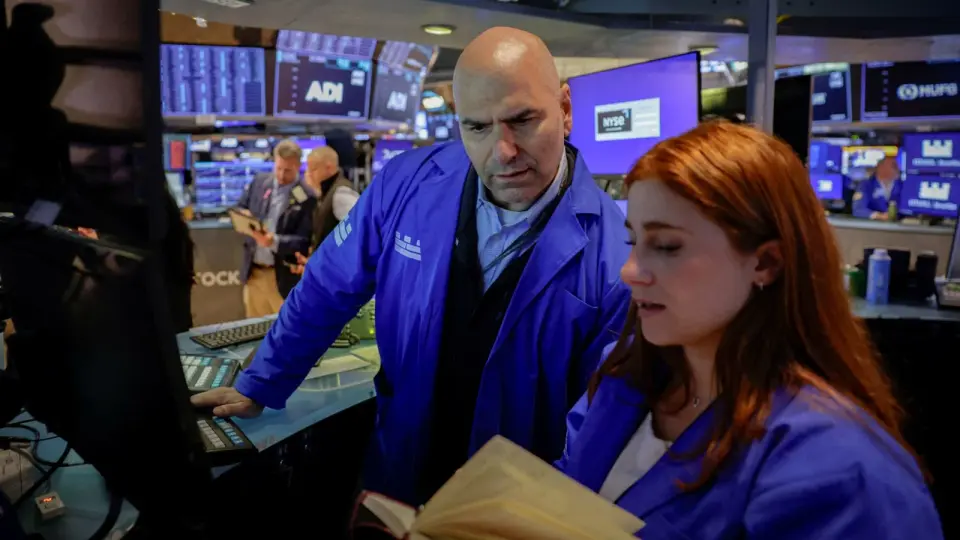
US equity futures rose on Sunday, signaling a potential rebound after a severe weekly sell-off that pushed major indices into correction territory. The Nasdaq-100 futures gained 2.5%, while S&P 500 futures added 1.5%. This recovery follows the worst weekly decline for the Dow and Nasdaq in over six years. Investors are now focused on upcoming earnings from hardware giants Hewlett Packard Enterprise and Dell, as well as Federal Reserve meeting minutes, to determine if the AI-driven market panic has bottomed out.
Key points
- US stock futures opened higher on Sunday, with Nasdaq-100 contracts up 2.5% and S&P 500 futures up 1.5%, reversing Friday's sharp losses.
- The previous week marked the worst performance for the Nasdaq and Dow in over six years, with the S&P 500's largest drop since April 2025.
- All three major US averages ended the week in correction territory, and the Nasdaq Composite turned negative for the year.
- Hewlett Packard Enterprise and Dell Technologies are scheduled to report earnings on Monday and Tuesday, respectively, after both stocks have fallen sharply this month.
- Federal Reserve meeting minutes and US retail sales data are expected this week, providing clues on future interest rate decisions amid rising inflation concerns.
Background
This market volatility follows a broader AI sector crash that began earlier in November. Previous coverage noted that the Nasdaq erased all 2026 gains, falling 18% from its October peak, despite strong earnings from companies like Anthropic. Asian regulators had recently deployed emergency measures to stabilize markets, and Goldman Sachs had flagged extreme liquidity constraints and record shorting as key drivers of the sell-off. The current rebound occurs against this backdrop of heightened volatility and structural concerns regarding AI valuations.
How outlets are covering it
CNBC emphasizes the technical rebound and the 'breather' provided by the Thanksgiving holiday, noting that while futures are up, the burden of proof remains on bulls to reverse bearish sentiment. Roundhill’s Drew Pettit suggests the indiscriminate selling may signal a bottom, but warns that technical indicators require catalysts to confirm a recovery. The Economic Times highlights a more cautious global view, noting that Asian stocks remained subdued despite US futures gains. It points to Morgan Stanley’s decision to move to a 'maximum' overweight in global equities, citing an intact AI capital expenditure cycle, while also noting that Bitcoin and oil prices remain volatile due to geopolitical and macroeconomic uncertainties.
Why it matters
The market's reaction to the recent sell-off will determine whether the AI trade is a temporary correction or a structural shift. With major hardware companies reporting earnings and the Federal Reserve providing guidance on rates, investors are seeking confirmation that the AI capex cycle remains intact. A sustained rebound could signal that the market has found a durable bottom, while further declines could indicate deeper structural issues in tech valuations and broader economic stability.
What to watch
Investors will closely monitor the earnings reports from Hewlett Packard Enterprise and Dell Technologies, as well as the Federal Reserve's meeting minutes, to gauge the health of the AI sector and future monetary policy. The shortened trading week due to Thanksgiving may limit volatility, but the outcome of these reports will be crucial for determining the direction of US equities in the coming weeks.
- Stock futures rebound to start shortened week after tech rout: Live updates CNBC
- Dow Jones Futures Due As Oracle, Korea Try To Ease Market Fears; Look For These Absolute Losers Investor's Business Daily
- Stock Futures Are Rebounding After Last Week’s Bloodbath Barron's
- Global Market Today: Asian stocks subdued as US futures gain; Nvidia earnings, Fed minutes in focus The Economic Times
- Stock index futures rebound after AI wipeout TradingView
Want the full story? Read the original reporting
Read on CNBC