
Cyclospora Outbreak Shifts Salad Demand to Local Farms
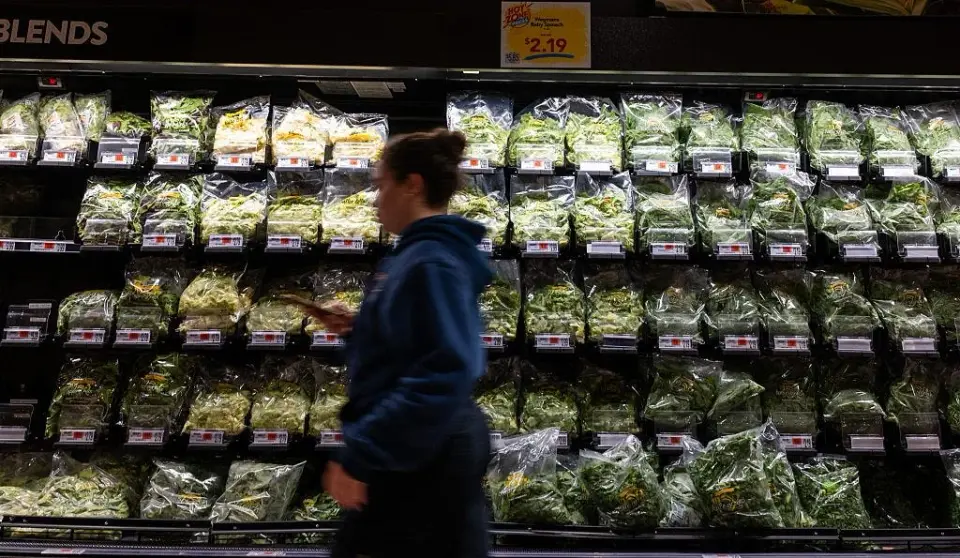
A massive cyclosporiasis outbreak linked to Taylor Farms iceberg lettuce has sickened over 15,000 people and caused two deaths. While recalled products are no longer on shelves, shoppers are shifting to local growers and controlled-environment agriculture for safer greens.
Key points
- The CDC reports 15,716 confirmed cases and 11,841 suspected cases of cyclosporiasis since May 1, with 828 hospitalizations and two deaths.
- The outbreak is linked to shredded iceberg lettuce from Taylor Farms de Mexico, which issued a voluntary recall on July 17.
- Local Colorado farmers report a 17% increase in lettuce sales since July as consumers avoid supermarket produce.
- Gotham Greens notes rising demand for hydroponic, controlled-environment lettuce, highlighting its role in supply chain safety.
- Consumer Reports advises that while washing does not eliminate the parasite, cooking produce to 158°F is the most effective prevention method.
Background
This outbreak follows a series of food safety issues in 2026, including Salmonella in jalapeños and E. coli in blueberries. Earlier in August, Michigan lifted its lettuce warning as cases declined, but national surveillance continues. The current situation is exacerbated by significant budget cuts to the CDC and FDA, which have reduced staff and scaled back the FoodNet surveillance program, potentially impacting the detection of future outbreaks.
How outlets are covering it
Rocky Mountain PBS emphasizes the economic impact on local growers, noting that Colorado is not an 'outbreak state' and has no evidence of contaminated local produce. Reader's Digest focuses on the broader context of a 'Summer of Foodborne Illness,' attributing the severity to a hot summer and reduced government oversight. News4JAX and Consumer Reports stress that while the recalled lettuce is gone, general food safety practices like thorough washing and cooking remain critical, as the parasite cannot be fully removed by washing alone. All sources agree that the recalled products are no longer available, but cases continue to be reported due to a six-week lag in detection.
Why it matters
The outbreak highlights vulnerabilities in the national food supply chain, particularly regarding imported produce and the impact of government funding cuts on food safety surveillance. It has driven a consumer shift toward local and controlled-environment agriculture, potentially altering long-term purchasing habits and supporting smaller farms.
What to watch
The CDC expects more cases to be reported through August due to reporting delays. The typical cyclospora season ends on August 31, but ongoing investigations into two outbreaks with unknown sources suggest continued vigilance is required. Consumers are advised to continue following food safety guidelines and monitor for new recalls.
- Salad, lettuce-linked outbreak is making greens shoppers see red Yahoo
- Parasitic outbreak has Coloradans turning to local lettuce growers rmpbs.org
- Wait—Is Cyclospora Over? Here’s Whether You Can Finally Eat Your Leafy Greens Again Without Worrying Reader's Digest
- Consumer Reports: Don’t skip the salad, but change the way you wash it News4JAX
- Cyclospora outbreak: Are you avoiding lettuce this summer? Axios
Want the full story? Read the original reporting
Read on Yahoo