
UK Inflation Surges to 3.5% as Fuel Costs Spike Ahead of Budget
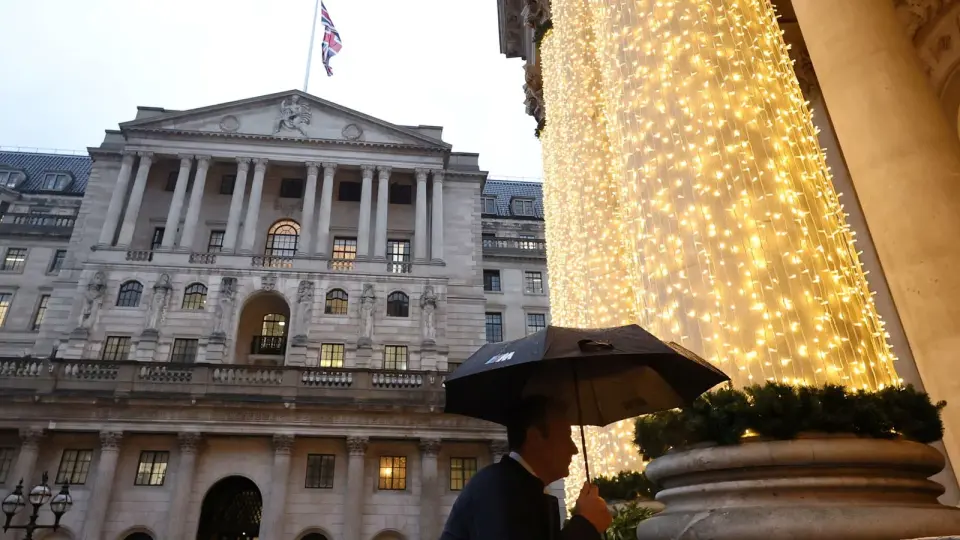
UK inflation rose to 3.5% in September, driven by a 29.8% surge in motor fuel prices. This marks the highest rate in nearly a year and increases expectations for two Bank of England rate hikes by year-end. The data complicates Chancellor John Healey's upcoming Autumn Budget, as national debt exceeded £3 trillion and borrowing costs rose.
Key points
- UK annual inflation reached 3.5% in September, up from 3.1% in August and 2.9% in July, exceeding the 3.4% forecast by economists.
- Motor fuel prices rose 29.8% year-on-year, hitting their highest level since August 2022, driven by geopolitical conflicts affecting the Strait of Hormuz and global oil refining.
- Markets price a 98% probability of a 25 basis point Bank of England rate hike to 4% in November, with a second hike likely in December.
- UK national debt surpassed £3 trillion in September, and government borrowing reached £25 billion, up £1.8 billion from the previous year.
- Chancellor John Healey is scheduled to deliver the Autumn Budget on October 28, pledging to maintain fiscal discipline while supporting growth.
Background
Recent global inflation trends have been influenced by energy shocks and central bank policy shifts. In the US, the Federal Reserve raised rates to 3.75%-4.00% in September, with markets expecting further hikes due to persistent energy costs. UK inflation had been trending upward since July, reaching 3.1% in August before the September spike. The current situation mirrors earlier 2022 energy crises, though the drivers now include conflicts in the Middle East and Ukraine.
How outlets are covering it
CNBC emphasizes the impact of motor fuel prices and the potential for second-round inflationary effects in services, noting that J.P. Morgan strategist Scott Gardner views the rate hike case as stronger. BBC highlights the political implications, with Conservatives accusing Labour of losing economic control and calling for tax cuts. Capital Economics economist Ruth Gregory describes the borrowing figures as 'dismal' and expects a cautious Budget. Both sources agree on the fuel price surge but differ in emphasis: CNBC focuses on monetary policy and services inflation, while BBC focuses on fiscal pressure and political debate.
Why it matters
Rising inflation and debt servicing costs limit the UK government's fiscal flexibility, potentially forcing austerity or delayed spending. Higher interest rates could slow economic growth and increase borrowing costs for households and businesses. The outcome of the Autumn Budget will signal the government's strategy to balance fiscal rules with cost-of-living support, influencing market confidence and economic stability.
What to watch
The Bank of England is expected to raise interest rates by 25 basis points in November, with a second hike possible in December. Chancellor John Healey will present the Autumn Budget on October 28, detailing fiscal plans and potential spending adjustments. Investors will monitor services inflation and core CPI data to assess whether energy-driven inflation is spreading to other sectors.
- UK inflation jumps to 3.5% — cementing rate hike expectations CNBC
- Surging fuel prices push UK inflation rate to 3.5% ahead of Budget BBC
- UK Inflation Jumps to 11-Month High as BOE Considers a Hike Bloomberg.com
- U.K. Inflation Jumps Again on Rising Energy Costs WSJ
- UK inflation rate rises to 3.5% after fuel prices surge BBC
Want the full story? Read the original reporting
Read on CNBC