
Cyclospora Outbreak Sparks Debate Over Lettuce Safety and Nutritional Value
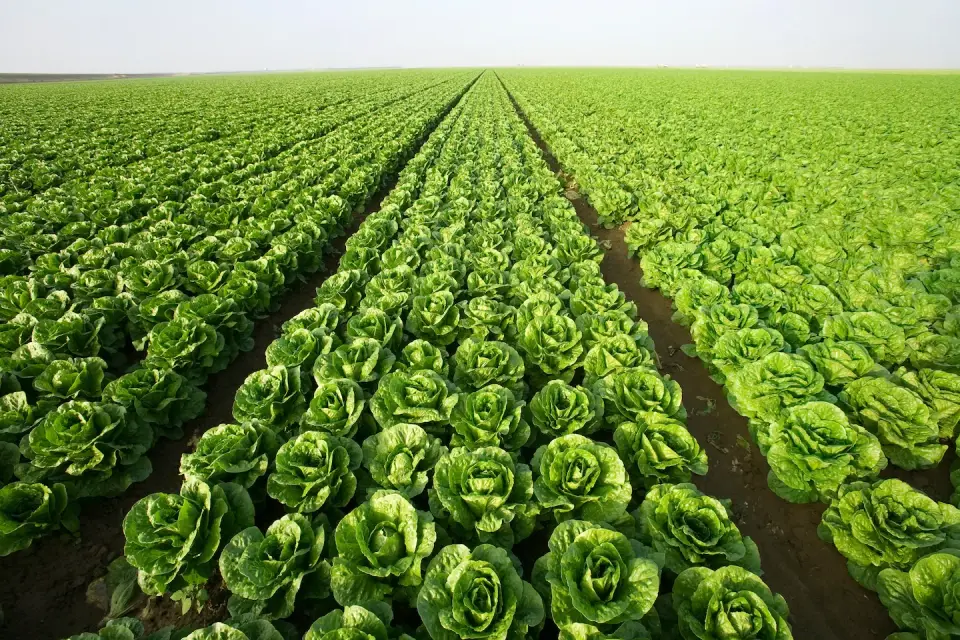
A massive cyclosporiasis outbreak in the US, linked to recalled Taylor Farms lettuce from Mexico, has triggered a debate about the safety and nutritional value of lettuce. While some argue for abandoning lettuce due to health risks and environmental costs, others emphasize the importance of produce consumption and highlight the complexity of tracing the outbreak's source.
Key points
- The largest cyclosporiasis outbreak in US history is linked to Taylor Farms iceberg lettuce from Mexico, with over 15,716 confirmed cases this season.
- Critics argue lettuce poses significant health risks, wastes resources, and offers minimal nutritional value, suggesting alternatives for land use.
- Supporters of produce consumption warn against avoiding fresh vegetables, emphasizing the importance of washing and following recalls to prevent illness.
- The outbreak's spread across 47 states and DC challenges the theory of a domestic water source, with evidence pointing to contaminated lettuce as the primary vector.
- Legal and public health experts debate the role of water versus lettuce in the outbreak, with some highlighting the need for genetic testing to confirm the source.
Background
The cyclosporiasis outbreak began in mid-2026, with early reports linking it to Taco Bell locations in Detroit. As cases rose, social media saw a rise in 'diarrhea diet' jokes, prompting concerns about diet culture and the trivialization of illness. Public health officials advised against avoiding fresh produce, instead recommending proper washing and adherence to recalls. A global study highlighted persistent shortfalls in vegetable intake, underscoring the importance of maintaining produce consumption despite safety concerns.
How outlets are covering it
The Washington Post's Tamar Haspel argues for reducing lettuce consumption due to its health risks, environmental impact, and low nutritional value, citing the cyclosporiasis outbreak as a key example. In contrast, Marler Blog's Bill Marler defends the lettuce source, arguing that the outbreak's widespread nature and the distribution of recalled product to grocery stores and foodservice providers, rather than just Taco Bell, support the lettuce hypothesis. Marler also dismisses the water source theory, noting the lack of a domestic reservoir and the geographic spread of cases. Yahoo Finance's coverage focuses on the economic impact on Taco Bell, highlighting the company's efforts to recover from the outbreak's reputational damage. The perspectives diverge on the primary cause of the outbreak and the appropriate response, with some advocating for reduced lettuce consumption and others emphasizing the importance of produce in a healthy diet.
Why it matters
The cyclosporiasis outbreak highlights the vulnerabilities in the food supply chain and the importance of robust food safety measures. It underscores the need for better traceability and testing to identify and prevent outbreaks. The debate over lettuce's role in the outbreak also raises broader questions about the nutritional value and environmental impact of certain crops, influencing future agricultural and dietary policies.
What to watch
CDC is expected to release genetic testing data to confirm the source of the outbreak. Public health officials will continue to monitor cases and enforce recalls. The debate over lettuce's safety and nutritional value may influence future agricultural practices and dietary recommendations. Taco Bell and other affected companies will likely implement stricter safety measures to prevent future outbreaks.
- Column | Why we should stop eating lettuce, cyclospora or not The Washington Post
- How Taco Bell is trying to recover from cyclosporiasis Yahoo Finance
- Why It Is Not the Water. And Where 236,192 Cases of Recalled Lettuce Actually Went, Which Explains the People Who Never Ate at Taco Bell. Marler Blog
- Op-Ed: The Case Against Lettuce Newser
- Prosapio: National lettuce ‘affliction’ leads to choosing ‘healthier’ options Seguin Gazette
Want the full story? Read the original reporting
Read on The Washington Post