
GLP-1 Makers Face Hundreds of Lawsuits Over Rare, Permanent Vision Loss
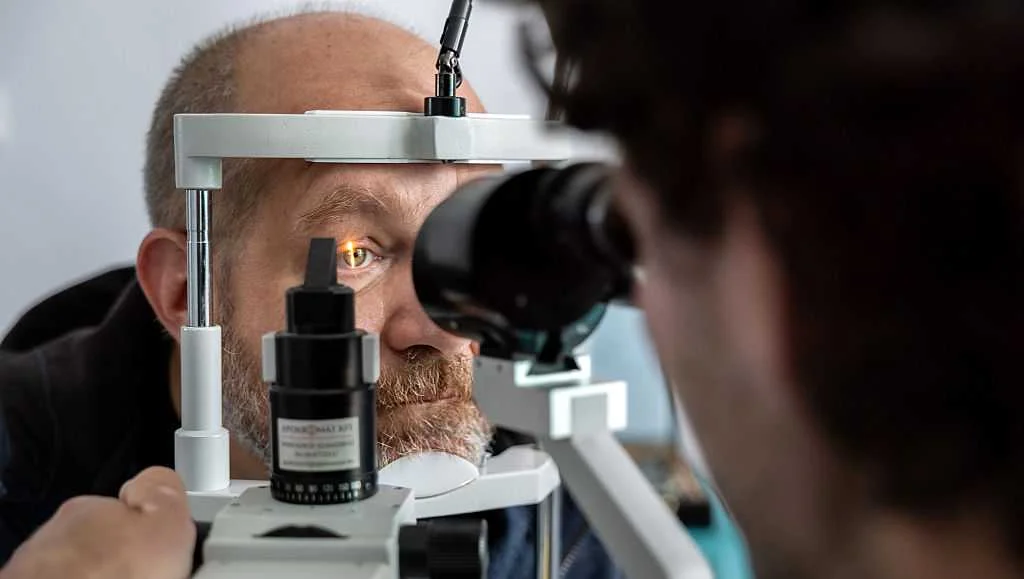
Hundreds of lawsuits have been filed against Novo Nordisk and Eli Lilly, alleging that popular GLP-1 medications like Ozempic and Wegovy cause nonarteritic anterior ischemic optic neuropathy (NAION), a rare condition resulting in sudden, permanent vision loss. While the drugmakers deny a causal link and cite robust safety data, plaintiffs argue the companies failed to warn patients of this risk. The FDA is currently investigating the potential connection, though medical experts note that even if a risk exists, the absolute probability remains extremely low.
Key points
- Hundreds of lawsuits have been filed in the U.S. since 2025, with a significant cluster in New Jersey and Philadelphia, alleging that GLP-1 drugs cause NAION.
- NAION is a rare condition where reduced blood flow to the optic nerve causes sudden, often irreversible vision loss, typically affecting individuals over 50.
- Novo Nordisk and Eli Lilly deny any significant relationship between their drugs and NAION, arguing that patients with diabetes are already at higher risk for eye conditions.
- The FDA is investigating the link, but no NAION warning is currently listed on U.S. drug labels, unlike in the EU, UK, Australia, and Japan.
- Medical experts state that while some studies show a relative risk increase, the absolute risk remains very low, with estimates suggesting only 2 in 10,000 users might develop the condition.
Background
This litigation follows a surge in public scrutiny regarding GLP-1 side effects. Previous coverage in late September 2026 highlighted that dozens of plaintiffs alleged inadequate warnings, with cases arising within 6 to 18 months of starting treatment. The current wave of lawsuits expands on these claims, focusing specifically on the permanent nature of the vision loss and the absence of U.S. label warnings despite international updates.
How outlets are covering it
WLWT and AZ Family report that hundreds of lawsuits have been filed, with AZ Family noting a spike in vision loss claims this summer and citing a specific case of a 63-year-old man who became legally blind. TODAY.com provides a detailed account of a 66-year-old woman in Georgia who lost vision in one eye after taking Wegovy, emphasizing that she would not have taken the drug had she known of the risk. Boston 25 News highlights a Massachusetts man who experienced sudden blindness, framing the issue as a life-changing medical ordeal. In contrast, Novo Nordisk and Eli Lilly maintain that the lawsuits are without merit, pointing to over 58 million patient-years of safety data. Medical experts, including Dr. Manjot Gill from Northwestern University, emphasize that while relative risk may be higher, the absolute risk is negligible and the drugs' benefits for diabetes and weight loss outweigh the rare complication.
Why it matters
The outcome of these lawsuits could lead to mandatory label changes in the U.S. and influence patient decisions regarding GLP-1 usage. As the FDA investigates, the debate centers on whether the potential for rare, permanent vision loss justifies new warnings, especially given that the condition is already recognized in other countries. This legal battle may impact the broader adoption and perception of these widely prescribed medications.
What to watch
The FDA is expected to continue its review of the data, potentially leading to regulatory actions or label updates. The lawsuits are likely to proceed through the courts, with drugmakers vigorously defending their positions. Patients are advised to discuss risks and benefits with their healthcare providers and to report any sudden vision changes immediately.
- Some GLP-1 companies facing lawsuits over vision loss. What to know WLWT
- What GLP-1 users should know about the potential risk of a rare type of vision loss ABC News - Breaking News, Latest News and Videos
- Hundreds of lawsuits allege GLP-1s like Ozempic, Wegovy, Mounjaro caused vision loss AZ Family
- Irreversible blindness: Mass. man shares shocking side effect of GLP-1 drug | Full interview Boston 25 News
- Woman Details Losing Vision in 1 Eye After Taking GLP-1 As Hundreds of Patients Sue Drug Companies TODAY.com
Want the full story? Read the original reporting
Read on WLWT