
GLP-1 Vision Loss Lawsuits Surge as NAION Claims Mount Against Eli Lilly, Novo Nordisk
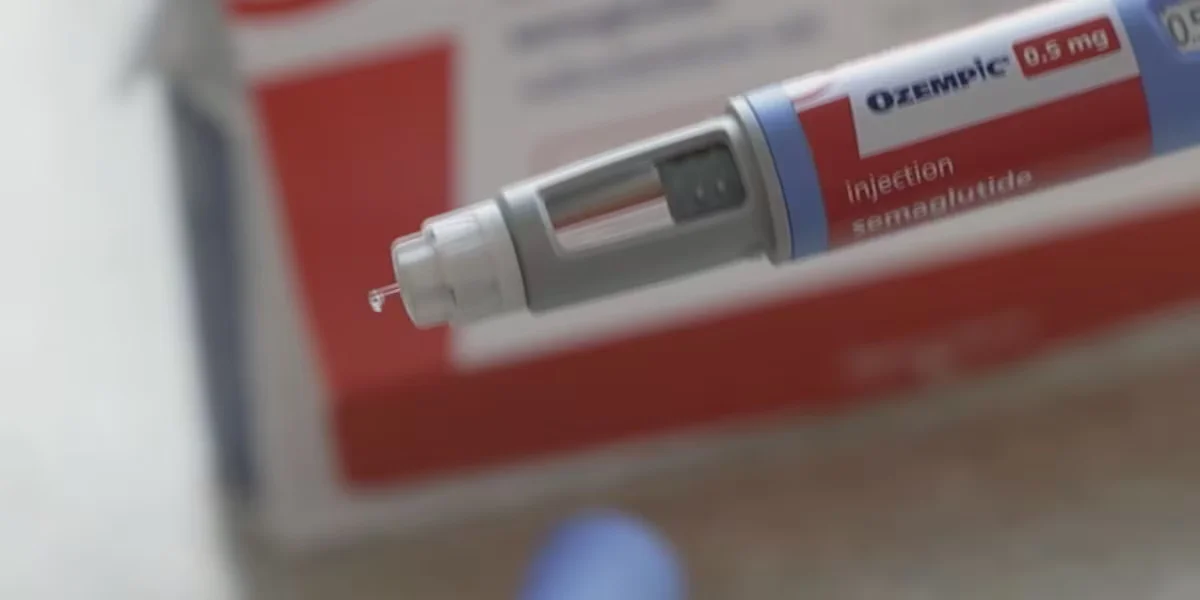
Hundreds of lawsuits accuse GLP-1 manufacturers of failing to warn patients about NAION, a rare condition causing sudden vision loss. While drugmakers deny causation, plaintiffs argue labels in the U.S. lack warnings present in other countries. Experts note mixed evidence, with some studies showing a slight risk increase but emphasizing that absolute risk remains low and drug benefits often outweigh potential harms.
Key points
- Hundreds of lawsuits target Eli Lilly and Novo Nordisk, alleging GLP-1 drugs like Ozempic and Wegovy caused NAION, a rare optic nerve condition leading to permanent blindness.
- Plaintiffs claim drugmakers failed to include NAION warnings on U.S. labels, despite updated warnings in Europe, the UK, and Australia, and argue the companies concealed risks to market the drugs as 'magic pills'.
- A 63-year-old man became legally blind after losing vision in one eye in 2023 and the other in 2024 while taking Ozempic, illustrating the severe impact of the condition.
- Novo Nordisk and Eli Lilly deny any significant link between their drugs and NAION, calling the lawsuits 'without merit' and emphasizing that safety profiles are well-established through clinical trials.
- The American Academy of Ophthalmology states that while some studies show a 2- to 4-fold increase in relative risk, the absolute risk remains very low, and current evidence does not definitively prove causation.
- The FDA is currently conducting a study on NAION risk in GLP-1 users, while the European Medicines Agency has classified NAION as a very rare side effect of semaglutide, affecting up to 1 in 10,000 patients.
Background
This litigation follows earlier reports in September 2026 regarding growing lawsuits over GLP-1 drugs and rare vision loss. Previous coverage highlighted that while doctors advise patients not to stop treatment without clinical guidance, concerns over NAION have prompted calls for updated labeling. The broader GLP-1 market continues to face scrutiny as new weight-loss drugs like retatrutide emerge, but safety concerns remain a focal point for existing medications.
How outlets are covering it
AZFamily and USA Today emphasize the volume of lawsuits and the specific allegations that drugmakers concealed risks, noting that NAION warnings are absent from U.S. labels but present in other countries. TODAY.com highlights individual patient stories, such as Diane Wirth, and includes expert opinions from ophthalmologists who stress that the absolute risk is minimal and that the benefits of GLP-1s for diabetes and weight loss likely outweigh the rare complication. While all sources agree on the lack of definitive causal evidence, they differ in tone: AZFamily and USA Today focus on the legal and regulatory gaps, whereas TODAY.com balances the litigation with medical advice to maintain treatment unless advised otherwise by a doctor.
Why it matters
The surge in lawsuits could lead to significant financial liabilities for Eli Lilly and Novo Nordisk and may force the FDA to reconsider labeling requirements for GLP-1 drugs. For patients, the debate highlights the importance of informed consent and the trade-off between the substantial benefits of these medications and the rare but severe risk of vision loss. As more data emerges from ongoing FDA studies, the regulatory landscape for GLP-1s may shift, impacting prescribing practices and patient safety.
What to watch
The FDA is expected to complete its ongoing study on NAION risk in GLP-1 users, which could influence future labeling decisions. Litigation is likely to continue as more cases are filed, particularly in states like New Jersey and Pennsylvania. Drugmakers will continue to defend their safety profiles in court, while medical experts will monitor new research to determine if a causal link between GLP-1s and NAION is established.
- Hundreds of lawsuits allege GLP-1s like Ozempic, Wegovy, Mounjaro caused vision loss AZ Family
- Are GLP-1s causing blindness? What we know about rare cases USA Today
- GLP-1 makers Novo, Eli Lilly sued over sudden loss of vision in patients NewsNation
- What GLP-1 users should know about the potential risk of a rare type of vision loss ABC News - Breaking News, Latest News and Videos
- Woman Details Losing Vision After Taking GLP-1 As Hundreds of Patients Sue Drug Companies TODAY.com
Want the full story? Read the original reporting
Read on AZ Family