
GLP-1 Makers Face Hundreds of Lawsuits Over Rare Vision Loss
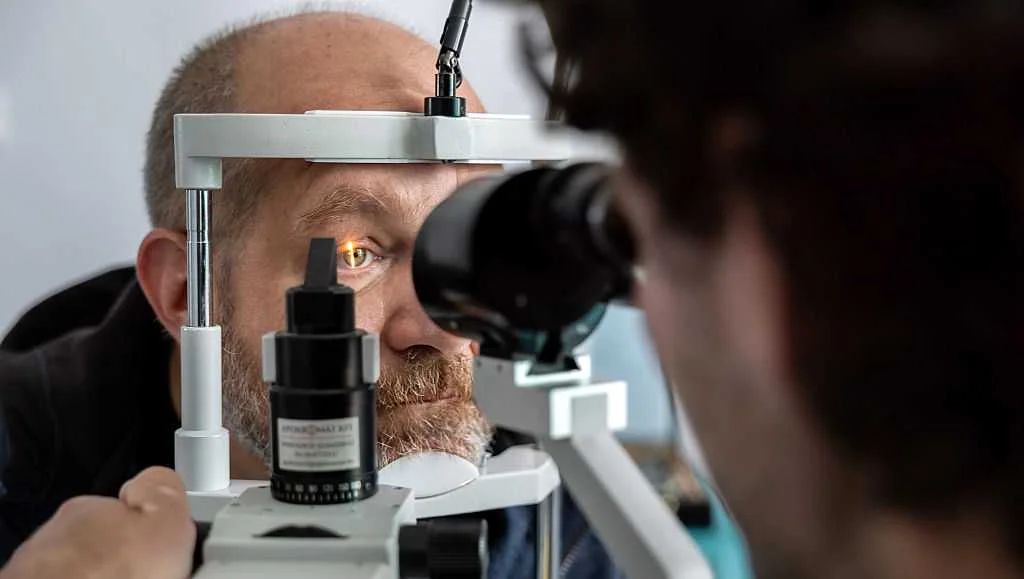
Hundreds of lawsuits have been filed against Novo Nordisk and Eli Lilly, alleging that GLP-1 drugs like Ozempic and Wegovy cause rare, permanent vision loss. The condition, known as NAION, is not listed on U.S. drug labels, though some countries have added warnings. While the FDA investigates the link, drugmakers deny causation, citing mixed research and the condition's low overall risk.
Key points
- Hundreds of lawsuits have been filed against GLP-1 makers Novo Nordisk and Eli Lilly, alleging that drugs like Ozempic, Wegovy, Zepbound, and Mounjaro cause rare, permanent vision loss.
- The lawsuits focus on nonarteritic anterior ischemic optic neuropathy (NAION), a rare condition that causes sudden vision loss due to reduced blood flow to the optic nerve.
- NAION is not listed on U.S. drug labels for GLP-1s, though some countries, including the EU, UK, Australia, and Japan, have added warnings about the condition.
- The FDA is investigating the possible link between GLP-1s and NAION, but the evidence is mixed, with some studies finding an association and others finding no link.
- Novo Nordisk and Eli Lilly deny any significant relationship between their drugs and NAION, citing the low overall risk and the fact that people with diabetes are already at higher risk for vision problems.
Background
This story follows earlier coverage of a surge in lawsuits against GLP-1 makers over rare vision loss. The lawsuits allege that the drugs cause NAION, a rare condition that can lead to permanent blindness. The FDA is investigating the link, but the evidence is mixed, and drugmakers deny causation.
How outlets are covering it
WESH and AZ Family report on the surge in lawsuits, with AZ Family noting that hundreds of lawsuits have been filed, while WESH focuses on the specific condition of NAION. Boston 25 News highlights a personal story of a Massachusetts man who lost his vision after taking a GLP-1 drug. TODAY.com provides a broader perspective, including the FDA's investigation and the mixed evidence, as well as the drugmakers' denials of causation.
Why it matters
The lawsuits raise concerns about the safety of GLP-1 drugs, which are widely used for weight loss and diabetes management. The potential link to NAION, a rare but serious condition, could impact patient decisions and regulatory oversight of these drugs.
What to watch
The FDA is expected to continue its investigation into the possible link between GLP-1s and NAION. The outcome of the lawsuits and the FDA's findings could lead to changes in drug labels and regulatory oversight of GLP-1 drugs.
- Some GLP-1 companies facing lawsuits over vision loss. What to know WESH
- What GLP-1 users should know about the potential risk of a rare type of vision loss ABC News - Breaking News, Latest News and Videos
- Hundreds of lawsuits allege GLP-1s like Ozempic, Wegovy, Mounjaro caused vision loss AZ Family
- Irreversible blindness: Mass. man shares shocking side effect of GLP-1 drug | Full interview Boston 25 News
- Woman Details Losing Vision in 1 Eye After Taking GLP-1 As Hundreds of Patients Sue Drug Companies TODAY.com
Want the full story? Read the original reporting
Read on WESH