
FDA Rejects Chinese-Developed Lung Cancer Drug, Citing Lack of Survival Benefit
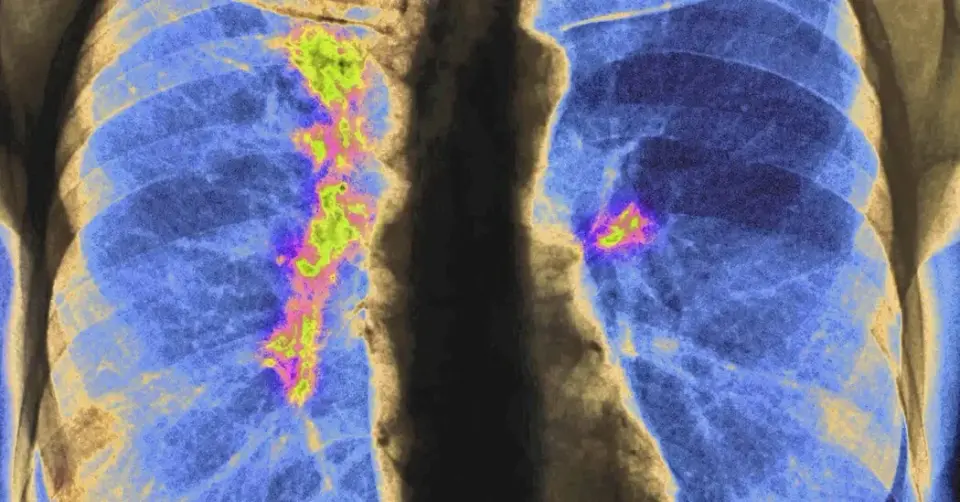
The FDA has rejected ivonescimab, a bispecific cancer drug developed in China and licensed to US firm Summit Therapeutics, for use in advanced lung cancer. The agency determined the drug failed to demonstrate a statistically significant improvement in overall survival for Western patients, a key requirement for approval. While the drug is already approved in China, the rejection marks a setback for Summit and raises questions about the global viability of Chinese-originated biotech products. Summit retains financial backing from AstraZeneca and plans to continue development in other cancer settings.
Key points
- FDA issued a Complete Response Letter rejecting ivonescimab for EGFR-mutated non-small cell lung cancer (NSCLC).
- The drug, developed by Chinese firm Akeso and licensed to Summit Therapeutics, failed to meet the FDA’s requirement for statistically significant overall survival benefit in Western patients.
- Summit had previously secured a $2 billion investment from AstraZeneca, which holds an 11% equity stake in the company.
- The rejection was widely anticipated by analysts, with Leerink Partners assigning only a 40% probability to approval in November 2026.
- Summit’s co-CEO Robert Duggan stated the company remains committed to advancing ivonescimab in other cancer settings, citing five positive Phase III studies.
Background
Ivonescimab had become a symbol of China’s rise in drug development, with Akeso licensing the US rights to Summit in a deal worth up to $5 billion in 2022. The drug is already approved in China for the same indication. In 2025, China accounted for 46% of global new drug tests, but US regulators have grown increasingly cautious about Chinese clinical data, with lawmakers urging the FDA to require site inspections for Chinese trials.
How outlets are covering it
The New York Times frames the rejection as a setback for China’s ascendance as a biotech powerhouse, while Fierce Pharma emphasizes the technical failure of the Harmoni trial’s overall survival endpoint in Western patients. The Financial Times highlights the broader implications for Chinese biotech’s international reach and notes growing US regulatory scrutiny of Chinese clinical data. Endpoints News describes the decision as expected but unlikely to dim the drug’s prospects in other cancer settings. Summit’s leadership maintains confidence in the drug’s potential, citing additional positive trials, while analysts note the FDA’s insistence on overall survival data over progression-free survival benefits.
Why it matters
The rejection underscores the FDA’s stringent standards for global drug trials and raises questions about the transferability of Chinese clinical data to Western populations. It also intensifies competition among pharma giants developing similar bispecific drugs, potentially delaying access to next-generation cancer therapies for US patients.
What to watch
Summit will continue developing ivonescimab for other cancer types, including colon, bladder, and breast tumors, with key data expected from the Harmoni-3 trial in first-line NSCLC by 2027. The FDA may face further scrutiny over its handling of Chinese-originated drug applications, while Summit’s financial backing from AstraZeneca provides resources for additional trials.
- F.D.A. Rejects Closely Watched Lung Cancer Drug From China The New York Times
- FDA rejects Summit’s ivonescimab, derailing US arrival of much-hyped PD-1xVEGF class Fierce Pharma
- US FDA declines to approve Summit lung cancer drug after trial misses key survival goal Reuters
- FDA rejects cancer drug invented in China in blow to Beijing’s biotech sector Financial Times
- FDA rejects Summit, Akeso’s ivonescimab in narrow lung cancer setting Endpoints News
Want the full story? Read the original reporting
Read on The New York Times