
FDA Halts Controversial Fast-Track Drug Review Program After Leadership Exits
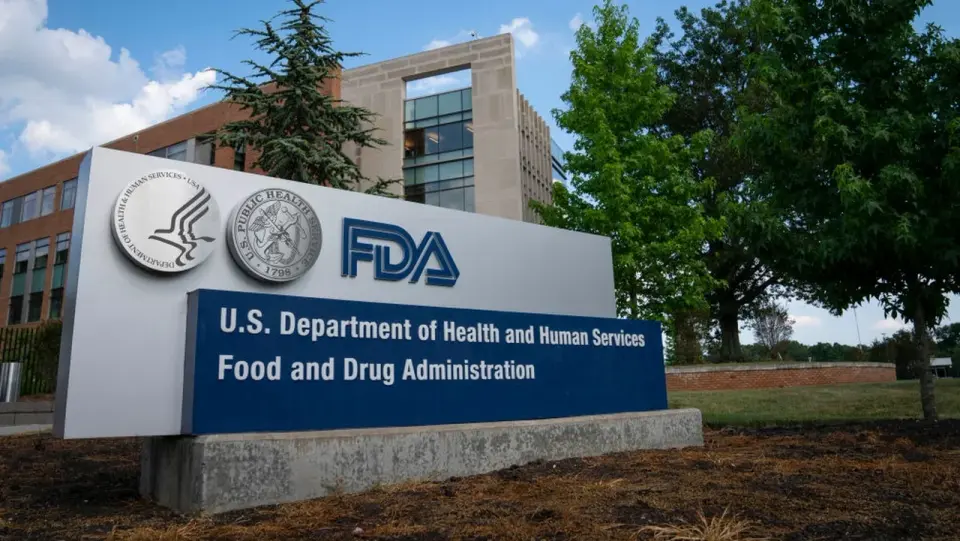
The U.S. Food and Drug Administration has effectively paused its Commissioner’s National Priority Voucher program, a fast-track review initiative launched by former Commissioner Marty Makary. While the agency continues to accept applications, no new vouchers have been granted since Makary’s departure in May 2026. The program, which aimed to cut review times from 10 months to two, faced criticism over political favoritism and transparency. Meanwhile, the FDA has also paused public disclosures of complete response letters following legal challenges.
Key points
- The FDA has stopped granting new Commissioner’s National Priority Vouchers, though it remains open to receiving applications.
- The program, launched in June 2025, accelerated drug reviews to one or two months for therapies deemed critical to national interests.
- An executive council of political appointees that oversaw the fast-track process has gone dormant since Makary’s resignation.
- Critics, including former FDA officials and academics, argued the program lacked transparency and risked political interference in safety decisions.
- The FDA has also paused publishing complete response letters after a legal challenge questioned the legality of disclosing confidential information.
Background
The FDA has faced significant leadership turmoil since Marty Makary resigned as commissioner in mid-May 2026. The agency has been without a permanent commissioner, with Heidi Overton’s nomination facing a Senate vote scheduled for November 18, 2026. Prior to this pause, the FDA had briefly halted and then resumed the public release of complete response letters in July 2026, citing legal concerns over confidential information. The CNPV program was introduced as part of a broader push for regulatory efficiency, but its implementation drew scrutiny from lawmakers and industry observers.
How outlets are covering it
Reuters and The Independent report that the program has been shelved, citing internal documents and sources familiar with the matter, noting that no new vouchers have been granted since Makary’s departure. Fierce Pharma highlights that the FDA is still accepting applications but is not reviewing or granting new ones, while an HHS spokesperson insists the pilot is 'ongoing' and that career staff are continuing to evaluate existing applications. STAT emphasizes the political nature of the program, noting that critics pointed to preferential treatment for companies meeting President Trump’s demands, such as offering lower drug prices. The Independent notes that a health policy professor described the program as the 'worst of both worlds,' combining political risks with limited practical benefit. Fierce Pharma also notes that the FDA has paused publishing complete response letters, a move that followed a legal challenge by Covington & Burling, while the agency has requested statutory authority from Congress to continue the practice.
Why it matters
The pause of the CNPV program signals a shift away from politically influenced fast-track drug reviews, potentially restoring confidence in the FDA’s regulatory integrity. The program’s controversy highlighted tensions between efficiency and transparency in drug approval, with critics arguing that compressed timelines and political oversight compromised patient safety. The pause may also affect the timelines for drugs already in the pipeline, as the FDA reverts to standard review processes for new applications. Additionally, the pause on complete response letter disclosures raises questions about the FDA’s commitment to transparency, a core principle of its mission.
What to watch
The FDA is expected to continue evaluating applications already granted a CNPV, meeting the promised accelerated timelines. The agency is also assessing best practices from the pilot program, as stated by an HHS spokesperson. The Senate health committee is set to vote on Heidi Overton’s nomination as FDA commissioner on November 18, 2026, which could influence the agency’s future direction. The FDA has also requested statutory authority from Congress to continue publishing complete response letters, a move that may face legal and political hurdles. For now, the agency is maintaining its commitment to transparency and public confidence, though the practical implementation of these goals remains uncertain.
- FDA appears to pause controversial speedy review program, complete response letter disclosures Fierce Pharma
- EXCLUSIVE: US FDA shelves commissioner's voucher program for speedy drug reviews, sources say Reuters
- Pharmalittle: We're reading about FDA shelving fast-track review, a Canadian importer arrested, and more STAT
- FDA’s speedy voucher program is dead: report Endpoints News
- FDA quietly shelves Trump’s flagship drug fast-track program amid reports of agency chaos The Independent
Want the full story? Read the original reporting
Read on Fierce Pharma