
Ackman funds $400M institute after daughter's experimental eye treatment fails
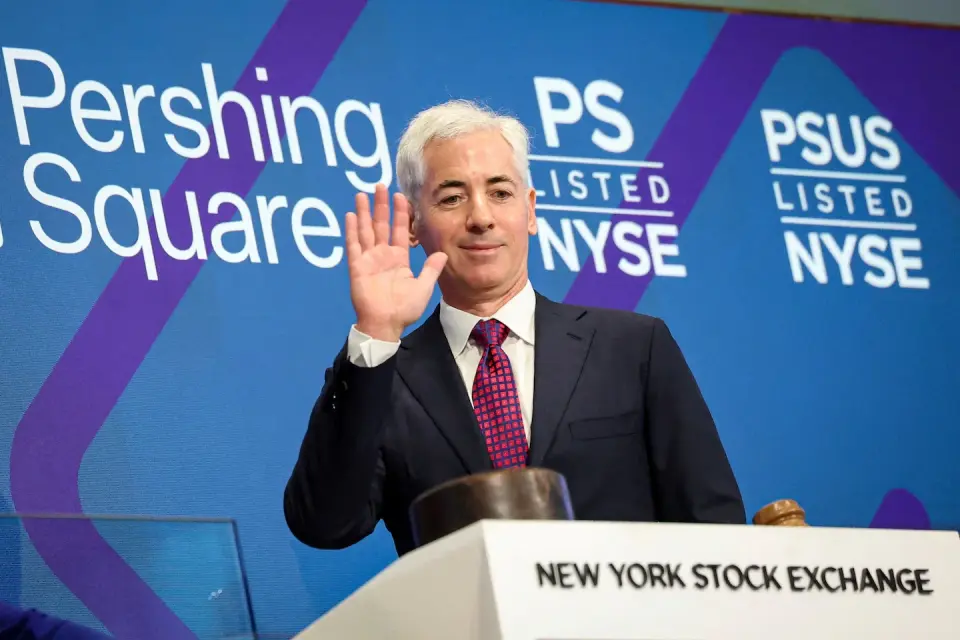
Billionaire Bill Ackman's 26-year-old daughter, Lucy, received an experimental mitochondrial transplant to restore vision lost after a brain hemorrhage. The procedure, the first of its kind in human eyes, initially restored light perception but the effect faded within a month. Ackman has since pledged over $400 million to a new research institute focused on brain science and aging.
Key points
- Lucy Ackman collapsed in February 2026 with a brain hemorrhage, losing the ability to move, speak, or see.
- Doctors at Mount Sinai Hospital performed a first-of-its-kind procedure, transferring mitochondria from her leg muscles to her eyes.
- The treatment initially allowed Lucy to detect light, but the effect disappeared after approximately one month.
- Ackman announced plans to invest more than $400 million in a new research institute for brain science, rehabilitation, and aging.
- The FDA approved the procedure under an expanded access pathway for urgent, unapproved treatments.
Background
This medical crisis follows a period of significant portfolio activity for Ackman. In August 2026, he overhauled Pershing Square's holdings, adding stakes in Netflix, Visa, and Mastercard, and exited a Universal Music Group position. He also publicly criticized New York City's proposed rent freeze policies in early August, arguing they would harm the local business climate.
How outlets are covering it
The Washington Post and Yahoo News emphasize the personal nature of the decision and the 'amazing potential' of the therapy, despite its current failure. The Korean outlet Maeil Kyungje highlights the scientific uncertainty, noting that while animal studies in Nature showed promise, the human trial's short-term success did not translate to long-term recovery. Benzinga provided no substantive reporting on the story, focusing instead on technical site data.
Why it matters
This case highlights the ethical and scientific boundaries of 'compassionate use' in medicine. It demonstrates how wealthy individuals can access unapproved, high-risk experimental treatments through FDA pathways, raising questions about equity in access to cutting-edge, unproven medical interventions.
What to watch
Ackman's new research institute will likely focus on understanding why the mitochondrial transplant failed to provide lasting results. The scientific community will monitor whether future trials can achieve sustained nerve function recovery, potentially leading to new standards for treating optic nerve damage.
- She lost her sight. Her billionaire father bet on a daring new treatment. The Washington Post
- It has been revealed that Bill Ackman, a billionaire investor in the United States, has chosen the f.. 매일경제
- Bill Ackman Reveals Daughter Received Experimental Treatment Moving Mitochondria From Her Leg to Her Eyes: 'Amazing Potential' Yahoo
- Bill Ackman Reveals Daughter Received Experimental Treatment Moving Mitochondria From Her Leg to Her Eyes Benzinga
Want the full story? Read the original reporting
Read on The Washington Post