
Bemotrizinol Launches in U.S. Stores, Ending 25-Year Sunscreen Ingredient Drought
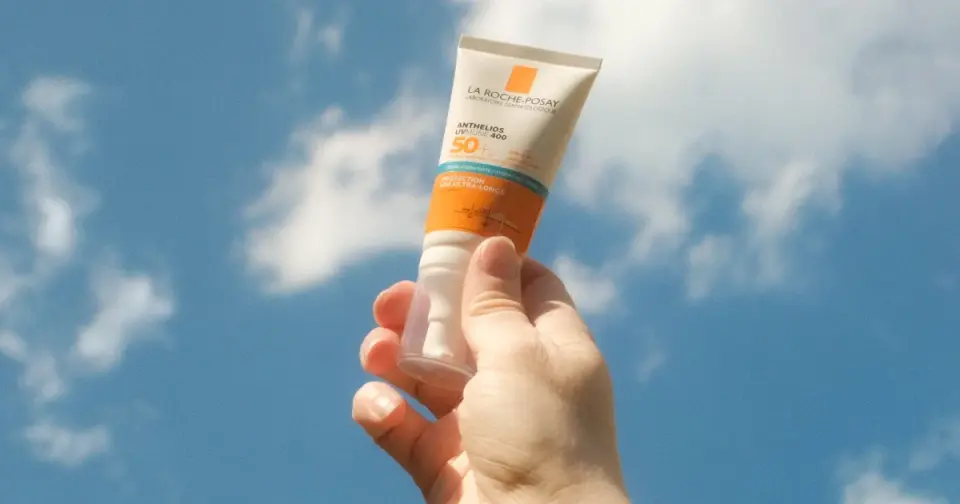
The FDA’s June approval of bemotrizinol (BEMT) marks the first new sunscreen active ingredient in the U.S. since 1999. Now available in products from Neutrogena, La Roche-Posay, and Ultra Violette, BEMT offers broad-spectrum UVA/UVB protection with minimal skin absorption and no white cast, addressing long-standing gaps in American sun care.
Key points
- The FDA approved bemotrizinol in June 2026, the first new chemical sunscreen filter authorized in the U.S. in over 25 years.
- BEMT provides broad-spectrum protection against both UVA and UVB rays, a capability previously requiring complex multi-ingredient mixes in the U.S.
- Studies involving over 500 patients showed BEMT has nearly undetectable skin absorption, unlike older chemicals such as oxybenzone, which the FDA recently revoked.
- BEMT is photostable, meaning it does not degrade quickly in sunlight, unlike avobenzone, which requires complex stabilization efforts.
- Initial U.S. products include Neutrogena’s SPF 70 and SPF 60 formulas, La Roche-Posay’s SPF 50, and Ultra Violette’s SPF 50, all designed to avoid white streaking.
Background
The U.S. sunscreen market has lagged behind Europe and Asia for decades due to strict FDA regulations that classify sunscreens as drugs rather than cosmetics. The last new active ingredient approved was in 1999. Recent concerns over the safety of older chemicals, such as the FDA’s revocation of oxybenzone due to high skin absorption, have intensified the need for safer alternatives. While mineral filters like zinc oxide offer broad protection, they often cause white casts, particularly on darker skin tones, leading many consumers to import international products.
How outlets are covering it
NBC News emphasizes BEMT’s safety profile and its role in filling a critical gap for broad-spectrum chemical protection without the cosmetic downsides of mineral filters. Time Magazine highlights the ingredient’s molecular size, which allows for simpler, more elegant formulations with fewer total filters, noting that the U.S. has been 'famously behind' in sunscreen science. GQ focuses on the consumer experience, noting that BEMT addresses the 'chalky textures' and 'white casts' that deter daily use, particularly for those with sensitive skin or acne-prone complexions. All sources agree that while BEMT is a significant step forward, it does not immediately close the gap with international markets, which have had access to such filters for years.
Why it matters
This approval provides U.S. consumers with a safer, more cosmetically elegant option for daily sun protection, potentially increasing adherence to sunscreen use. It also signals a shift in FDA regulatory processes, as the agency continues to review and update the safety standards for existing sunscreen ingredients, which have faced scrutiny for environmental and health impacts.
What to watch
More brands are expected to launch BEMT-containing products in the coming months. The FDA will continue its ongoing review of other sunscreen ingredients, requiring additional evidence for safety and effectiveness. Environmental concerns regarding coral reef impact remain, as long-term studies on BEMT’s ecological effects are still needed, though current evidence suggests limited toxicity.
- The first new sunscreen in 25 years is finally arriving in stores in the U.S. NBC News
- A new sunscreen type for Americans hits store shelves PBS
- DSM-Firmenich Parsol Shield: The Best Inventions of 2026 Time Magazine
- The First Crop of the New and Improved Sunscreen Formulas Is Finally Here GQ
- First newly approved sunscreen ingredient in 25 years hits US shelves Yahoo
Want the full story? Read the original reporting
Read on NBC News