
Personalized mRNA Melanoma Vaccine Cuts Recurrence Risk by 42%, Triggering Market Volatility
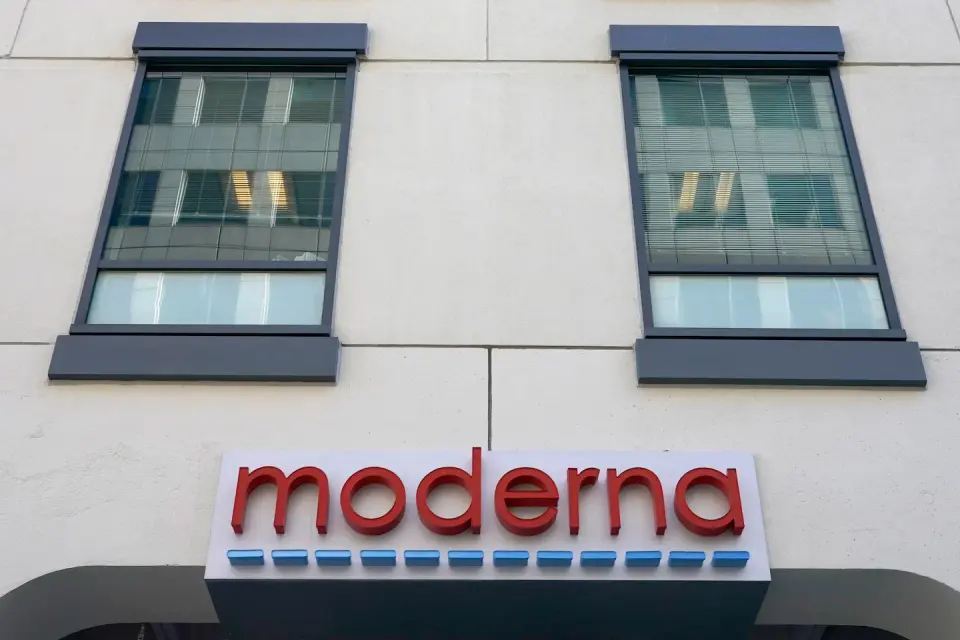
Merck and Moderna released early Phase 3 data for intismeran autogene, a personalized mRNA vaccine that reduces melanoma recurrence risk by 42% when combined with Keytruda. While oncologists praised the efficacy, the premature disclosure caused Moderna’s stock to drop 18%, as investors reacted to results that were slightly lower than earlier trial expectations.
Key points
- The experimental vaccine, intismeran autogene, uses mRNA technology to train the immune system against specific tumor markers in individual patients.
- In a trial of 1,136 participants, the vaccine combined with Keytruda reduced the risk of cancer recurrence or death by 42% compared to Keytruda alone.
- Merck and Moderna released the data early after a leak, with full results scheduled for presentation at the European Society for Medical Oncology in Madrid.
- Moderna’s stock fell 18% despite the positive clinical outcome, as the 42% reduction was lower than the 49% seen in a smaller prior trial.
- The companies are engaging with regulatory authorities and may file for FDA approval soon, while also testing the technology for lung and pancreatic cancers.
Background
The success of this Phase 3 trial follows an initial announcement in August 2026 that the vaccine met its primary endpoints, which had previously sent Moderna’s stock up 177%. The broader cancer vaccine market is projected to grow at a 36% compound annual rate through 2036, driven by mRNA advancements. Keytruda, approved in 2014, remains a standard adjuvant therapy for melanoma, famously used to treat President Jimmy Carter.
How outlets are covering it
CNN emphasized the clinical breakthrough, quoting Dr. Michael Postow of Memorial Sloan Kettering as calling the efficacy unprecedented for a personalized vaccine. Yahoo Finance focused on the market reaction, noting that while the 42% risk reduction is clinically significant, it disappointed investors who had priced in higher efficacy based on earlier trials. The Washington Post highlighted the technological parallel to COVID-19 vaccines, noting the shift from viral to cancerous targets. All sources agreed on the 42% figure but differed in framing: CNN viewed it as a medical milestone, while Yahoo Finance framed it as a stock market correction.
Why it matters
This trial represents a potential shift in cancer treatment from generic immunotherapy to personalized mRNA vaccines. If approved, intismeran autogene could offer a more targeted approach to preventing recurrence in high-risk melanoma patients, potentially improving overall survival rates. The market volatility underscores the high stakes and expectations surrounding mRNA technology beyond infectious diseases.
What to watch
Full data will be presented at the European Society for Medical Oncology conference in Madrid on Saturday. Merck and Moderna are engaging with regulatory authorities and may file for FDA approval in the coming months. The trial will continue to assess long-term durability and overall survival metrics. Investors will watch for evidence of efficacy in other cancer types, such as lung and pancreatic cancer, to sustain Moderna’s valuation.
- Breakthrough vaccine for the deadliest skin cancer cut risk by almost half The Washington Post
- Moderna’s Stock Plummets After Cancer-Vaccine Data Shared on Social Media WSJ
- Experimental mRNA vaccine cuts risk melanoma returns by 42% CNN
- Cancer Vaccine Cuts the Risk of Melanoma Recurrence, Merck and Moderna Report The New York Times
- Moderna stock crashes as leaked melanoma data threatens its record August rally Yahoo Finance
Want the full story? Read the original reporting
Read on The Washington Post